

 11:48 am - April 24, 2026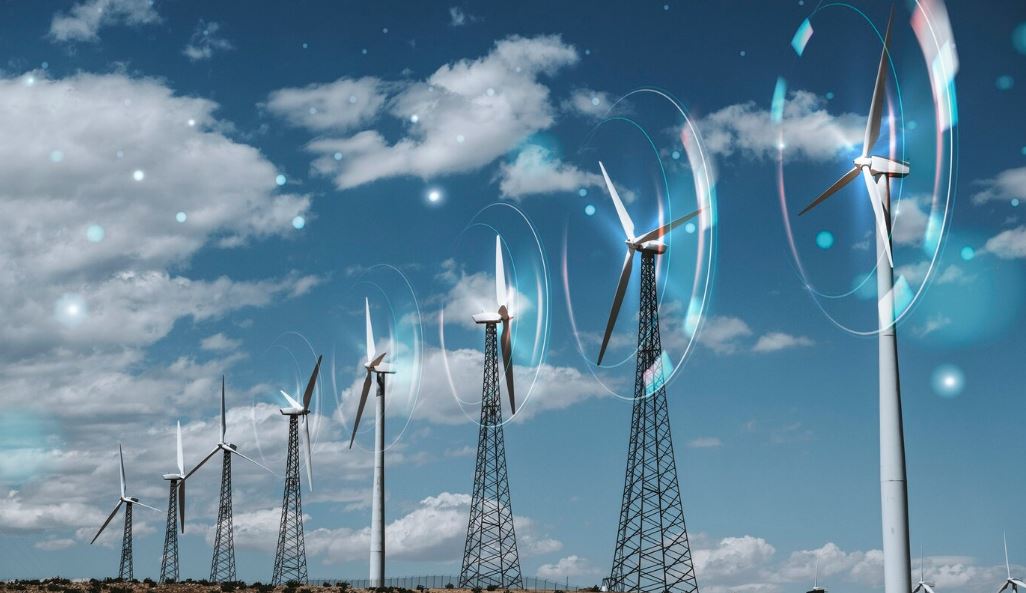
Somewhere outside of Montevideo, the lights remain on and the wind farms continue to run during the dry months when the rivers run low. Unbeknownst to most of the world, Uruguay produces about 98% of its electricity from renewable sources. wind, solar, hydro, and some biomass. It wasn’t announced at a breathless press conference. It simply occurred year after year as a result of a combination of obstinate policy design and risk-sharing agreements that attracted private funding when public funds ran low. Although it’s the type of story that is difficult to fit on a cable news chyron, it’s arguably the most accurate indication of where the rest of the world is headed.
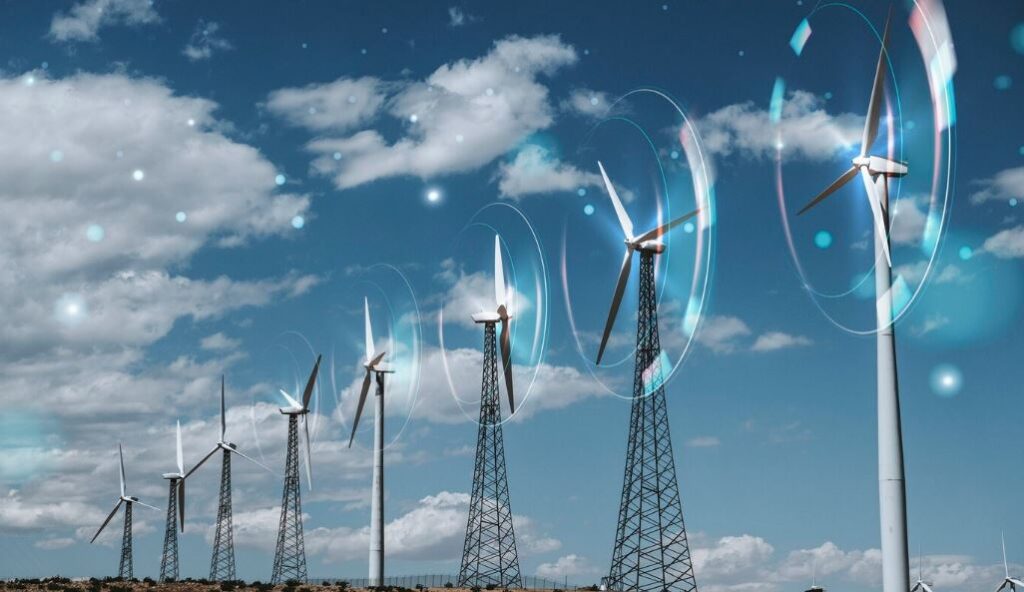
In one sentence, Ember’s most recent Global Electricity Review made the point that ought to have made headlines. All of the world’s new electricity demand was satisfied in 2025 by renewable energy. All of the world’s new gigawatts came from sources other than burning gas or coal. Generation powered by fossil fuels stopped expanding but did not decrease. When most people envision the energy transition, that is not the revolution they envision. Compared to that, it is quieter. It resembles a tide that has already changed without the majority of the boats realizing it, rather than a switch being flipped.
| Category | Details |
|---|---|
| Topic | Global transformation of electricity generation and power systems |
| Key Forum | World Economic Forum Annual Meeting 2026 |
| Projected Electricity Demand Growth | 75% between 2020 and 2050 (IEA) |
| Renewable Share of New Generation (2050 forecast) | ~90% |
| Global Solar Growth (2025) | +30% year-over-year |
| Leading Renewables Country | Uruguay — ~98% renewable electricity in 2024 |
| Research Partner | International Energy Agency |
| US Clean Energy Investment (IRA) | $370 billion over a decade |
| China’s Renewable Capacity (end of 2023) | 1,400 GW total installed |
| Battery Storage Forecast | From 17 GW (2023) to 420+ GW by 2030 |
| Global Renewables Tracker | IRENA |
| Emerging Storage Tech | LFP batteries, solid-state, green hydrogen, pumped hydro |
| Central Tension | Energy trilemma: security, affordability, sustainability |
Observing the conversations of power executives lately gives me the impression that the grid is evolving into something different. The World Economic Forum’s Espen Mehlum has referred to it as the “internet moment” for electricity, and while that metaphor may sound awkward at times, the underlying idea is difficult to dispute. With large plants in the middle and wires spreading out to homes, the previous grid was one-way. Rooftop solar panels, community batteries, and electric vehicles (EVs) that can return power in the opposite direction make up the new two-way grid. Over two million homes in Germany currently have rooftop solar power, which contributes to the country’s supply. That program isn’t a pilot. Infrastructure is that.
However, the difficulties still exist. Data centers and AI-hungry customers are currently demanding massive amounts of clean electricity, but the transmission projects utilities propose to meet that demand could take ten years to build, according to Aaron Zubaty, CEO of the US renewable energy company Eolian. Ten years. Whether the regulators are ready or not, battery storage and more intelligent use of the current wires are doing the heavy lifting in the interim. The tension in that sentence is difficult to ignore.
It should come as no surprise that China is the fastest. In 2023 alone, it added 210 gigawatts of new renewable capacity—more than the installed base of many developed economies. With hundreds of billions going toward solar, wind, and batteries thanks to the Inflation Reduction Act, the US is catching up in its own unique way. Despite its clean hydro legacy, Canada is falling behind, with less than 9% of generation coming from solar and wind. Everyone was reminded by the 2025 droughts that even reliable hydro has bad years.
With solar PV costs down 82% since 2010 and battery storage falling on a similar trajectory, investors appear to think the economics have finally turned around. The real question is whether the physical grid can truly keep up. White papers and forum panels depict a decentralized, digital, and lightning-fast future. On the ground, the future is still primarily composed of wires, poles, and permit delays. One substation at a time, the next century’s power system is being negotiated somewhere between those two images.