
 1:21 pm - April 24, 2026
The circular glass ring, the well-kept lawns, and the quiet assurance of a corporation that has been the most valuable in the world for so long that it hardly makes news anymore are all examples of how Apple Park in Cupertino was created to represent permanence. On April 20, a separate announcement was made. Apple has a new CEO for the first time in fifteen years.
In September, Tim Cook, who succeeded Steve Jobs in 2011 when the company was valued at about $350 billion and has seen it rise to nearly $4 trillion, will become Executive Chairman. The position will be filled by John Ternus, a 50-year-old Apple veteran who joined in 2001 and oversaw hardware engineering during some of the company’s most significant product cycles. As of April 24, 2026, the stock was trading close to $273, holding steady despite the announcement.
| Company | Apple Inc. (AAPL) — world’s largest company by market capitalisation; headquartered in Cupertino, California at Apple Park; stock trading near $273 as of April 24, 2026 |
|---|---|
| CEO Transition | Tim Cook stepping down as CEO on September 1, 2026 — transitioning to Executive Chairman; John Ternus, SVP of Hardware Engineering, named as successor effective the same date |
| Market Capitalisation | Exceeding $4 trillion — Apple closed at $4 trillion on the day of the CEO announcement; market cap grew more than 20-fold during Cook’s 15-year tenure |
| Key Metrics (April 24, 2026) | Price ~$272–274 | 52-week range: $193.25–$288.62 | P/E ratio (TTM): ~34.6 | EPS (TTM): $7.90 | 1-year analyst target: ~$297 |
| John Ternus Profile | Age 50 — joined Apple in 2001; led hardware engineering since 2013; instrumental in developing iPhone, iPad, AirPods, Apple Watch, and the recently launched MacBook Neo; approved unanimously by Apple’s 10-member board |
| Customer Retention (2026) | iPhone brand loyalty at 96.4% (SellCell 2026 survey) — Apple services retention at 92%; over 84% of iOS users plan to stay within the Apple ecosystem for their next purchase |
| Key Risk: AI Gap | Apple has lagged competitors in AI development — Siri upgrade was delayed in 2025; company revamped AI leadership and is launching an updated Siri based on a Google Gemini model; Ternus’s AI strategy will be closely watched |
| Cook’s Legacy | AAPL grew from ~$14 to ~$273 under Cook — a gain of more than 1,800% since he became CEO in September 2011; revenue nearly quadrupled to over $400 billion annually |
Apple’s shares have stayed close to the top of their 52-week range of $193.25 to $288.62, and the market’s comparatively placid response reveals how this shift was seen. Ternus is not unexpected. For years, he has been the most noticeable non-Cook executive at Apple’s product launches, taking the stage to present hardware that would eventually be purchased by hundreds of millions of consumers.
The current iPhone, the AirPods, the Apple Watch, the iPad, and most recently, the MacBook Neo all bear his fingerprints. He was unanimously approved by the board. Instead of leaving the building entirely, Cook will remain for the summer before taking on the position of chairman. Investors appear to have viewed this as the most orderly handoff a $4 trillion firm can handle.
AAPL’s metrics reveal an impressive level of stability. According to SellCell’s 2026 study, 96.4% of respondents are devoted to the iPhone brand, up from 91.9% five years prior. In 2025, Apple’s service retention rate reached 92%. Over 80% of iOS customers purchase further Apple products.
A CEO change that is publicized four months in advance and the departing executive continues to hold a senior position does not affect these measures. The market has continuously priced in Apple’s ecosystem stickiness as a long-term competitive advantage rather than a circumstantial one, as evidenced by the company’s P/E ratio of approximately 34.6 and trailing EPS of $7.90, placing it at a premium to many large-cap peers. Instead of showing anxiety, the 1-year analyst consensus goal of about $297 suggests ongoing confidence.
Ternus inherits Apple’s position in artificial intelligence, a challenge Cook never fully resolved, combined with the company’s solid finances. Investors and industry experts who have seen Google, Microsoft, and OpenAI move rapidly into AI-assisted everything while Apple took a more conservative approach criticized the company for delaying a major Siri overhaul until 2025.


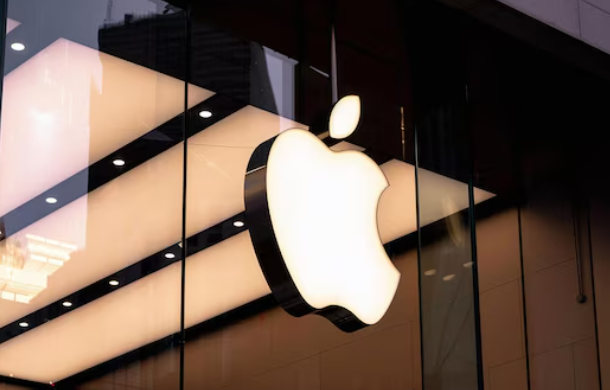
Given that Google is both one of Apple’s largest providers of AI infrastructure and one of its most direct rivals in mobile software, Apple’s decision to restructure its AI leadership late last year and introduce an improved Siri based on a Google Gemini model is telling. It’s still unclear if Ternus, who has experience with hardware rather than software or services, will encourage the business to make more audacious AI acquisitions or stick to Apple’s custom of letting others develop first and integrating later.
Some observers believe that Apple sent the right message with the Ternus appointment: the next period will be about products once more, about hardware that does something truly novel instead of just improving upon what currently exists. Cook was an operations whiz who transformed Apple’s services division into a $100 billion+ income stream and made the company’s supply chain one of the most effective in its history.
He was criticized for playing it safe, as Apple under Cook amassed immense wealth and devoted customer base without pursuing the kind of game-changing product moment that Jobs achieved with the iPhone and the App Store. This criticism was voiced more publicly towards the conclusion of his tenure. The stock is currently resting on top of the question of whether Ternus possesses that quality.
This post does not offer financial or investment advice; it is merely meant to be informative. A stock’s past performance does not predict its future performance. Before making any investing decisions, readers should do their own research and speak with a professional financial advisor.