

 4:59 pm - May 7, 2026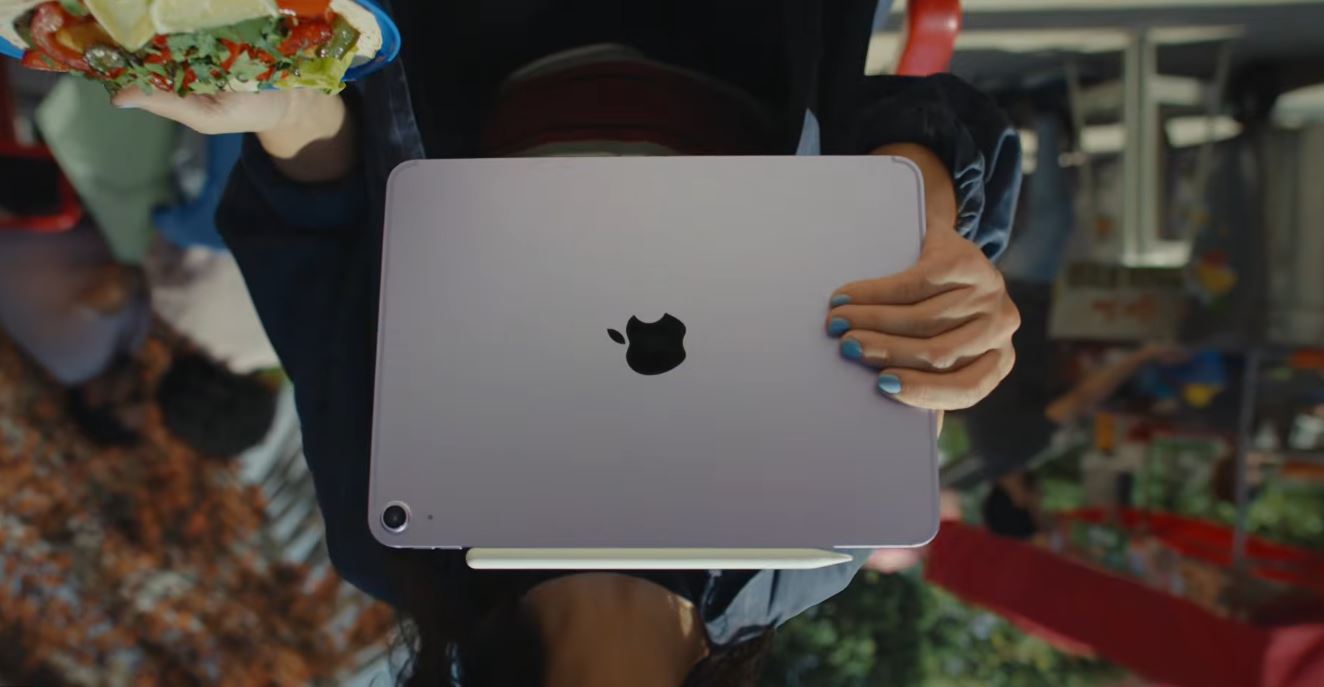
The speed of the new iPad Air (2026) isn’t the first thing that stands out. It’s the quiet.
The M4-powered iPad Air made an almost casual appearance at Apple’s launch week event, sandwiched between cheers for the iPhone 17e and courteous nods toward Apple Intelligence. identical design. identical hues. identical slender 6.1mm frame. It would be simple to overlook the change.
However, there is a different weight to it when you hold it, the aluminum cool against your skin and balanced lightly on one palm. not more substantial in weight. Simply more competent.
| Category | Details |
|---|---|
| Company | Apple Inc. |
| Product | iPad Air (2026) |
| Chipset | Apple M4 (8-core CPU, 9-core GPU, 16-core Neural Engine) |
| RAM | 12GB |
| Display Options | 11-inch & 13-inch Liquid Retina |
| Starting Price | $599 (11”), $799 (13”) |
| Official Reference | https://www.apple.com/ipad-air |
The headline, of course, is the M4 chip inside. With an 8-core CPU, 9-core GPU, and a 16-core neural engine, it can perform up to 30% faster than the M3 model from the previous year and more than double the power of the M1 generation from 2022. That’s a significant change, particularly for people who are still using older Airs. Apple’s silicon roadmap appears to be the company’s secret advantage, according to investors, as it tightens ecosystem control while increasing margins.
The memory bump is even more unexpected. RAM of twelve gigabytes, up from eight. a rise of 50%. 120GB/s is the current memory bandwidth. Those figures won’t mean much to the majority of users. However, the tablet doesn’t flinch when you open a few heavy apps, like video editors, layered design files, and a dozen Safari tabs.
Seeing it effortlessly balance tasks makes it feel more like a laptop than before.


That’s the source of the tension. The iPad Air was always designed to be a good compromise between the iPad Pro and the entry-level model. It is now subtly challenging its own sibling as it creeps upward. The gap is closing as Apple’s N1 chip enables Wi-Fi 7, and optional cellular models with the new C1X modem promise faster speeds with better efficiency.
It’s still unclear if Apple wants this overlap or if it can’t help but improve performance.
Instead of an OLED, the display is still a Liquid Retina IPS panel. The 11-inch and 13-inch models have brightness peaks of 500 and 600 nits, respectively. It isn’t dramatic. It’s not ostentatious. Indeed, the 60Hz refresh rate persists, which may irritate buyers who are concerned about specs when contrasting it with Android tablets with higher refresh rates.
However, colors stay rich and steady when watching a movie in a dimly lit living room. The text is clear. The anti-reflective coating reduces glare in ways that are more useful than marketing-oriented. Here, it’s difficult to ignore Apple’s preference for consistency over spectacle. Perhaps the true change is psychological.
For years, the iPad Pro’s OLED screens, Thunderbolt ports, and specialized hardware benefits helped to justify its high price. Now that the Air is powered by 12GB of RAM and M4 performance, many regular users might find the Pro to be too much. For class, a student edits a 4K video. An Apple Pencil Pro sketch by a designer. A remote worker switching between presentations and spreadsheets.
One early customer put it this way in a Brooklyn café: “It finally feels like enough.” That remark persisted. Sufficient power. Sufficient memory. Enough to prepare for the future. Maybe that’s Apple’s strategy, not to overdo innovation but to eliminate the need for premature upgrades.
Approximately ten hours of web browsing or video playback maintains a steady battery life. The device remains stable when in use, whether it is scrolling through recipes, replying to messages, or streaming YouTube while cooking. Nothing dramatic. No abrupt drops.
Instead of reinventing the iPad lineup, it seems like Apple is stabilizing it.
No changes have been made to the design. Blue, purple, starlight, and space gray. The Magic Keyboard, which attaches magnetically, has the same flat edges. Current accessories are still functional. That restraint seems deliberate in a field that is dependent on cosmetic changes.
Additionally, iPadOS 26 incorporates Apple Intelligence. Final Cut Pro’s background removal feature. organization of photos on the device. Better ideas for multitasking. The M4 Air appears to have been designed with the growing dependence of AI features on memory bandwidth and neural processing in mind. Performance under the hood guarantees more seamless daily experiences, even for skeptics who scoff at the term “AI.”
In day-to-day life, will users be able to distinguish between M3 and M4? Not very dramatically, maybe. Is this upgrade necessary for new purchasers? Most likely not. However, the difference feels significant to users of older M1 models or even base iPads.
One gets the impression that the iPad Air has subtly matured as you watch this happen. It is no longer the option of compromise. It’s turning into the logical one.
The Pro is still around, shining with Thunderbolt speed and OLED contrast. However, the Air feels more assured than ever thanks to its M4 silicon and 12GB of RAM.

