

 2:31 pm - May 7, 2026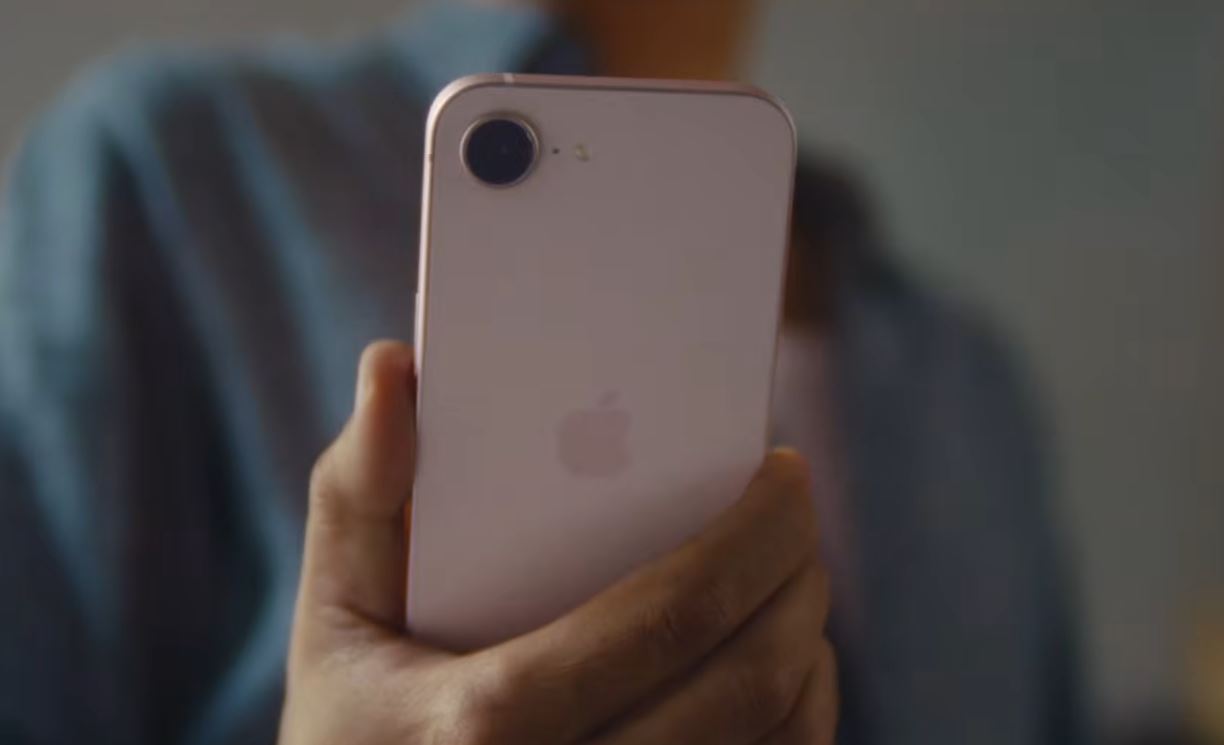
Unlike previous iPhone eras, the line outside Apple’s Fifth Avenue store wasn’t a chaotic overnight campout. A couple arguing over whether soft pink was “actually pink,” a father describing MagSafe to his teenage son, and a few students comparing trade-in values—it was more subdued and pragmatic. It was a measured thrill. Perhaps that is precisely the purpose for which the iPhone 17e was created.
Apple isn’t trying to surprise anyone with the $599 price. It’s getting better. With its 6.1-inch Super Retina XDR display, aluminum frame, and single 48MP rear camera, the 17e appears to be a recognizable follow-up to last year’s 16e. However, if you hold the slightly cool edge of the frame and observe how the magnets snap firmly into place, you will notice something more intentional. It appears that Apple reviewed customer complaints and silently removed them. Finally, MagSafe is available.
| Category | Details |
|---|---|
| Company | Apple Inc. |
| Product | iPhone 17e |
| Starting Price | $599 (256GB base model) |
| Processor | A19 chip with 4-core GPU |
| Operating System | iOS 26 |
| Official Reference | https://www.apple.com/iphone-17e |
The 16e’s omission never made sense. It felt out of step with the rest of Apple’s ecosystem to watch users struggle with off-center wireless chargers or abandon magnetic wallets. The 17e’s wireless speed has doubled since it now supports full 15W MagSafe charging. It’s a minor press release feature. It alters the way the phone feels in daily life by snapping onto chargers, clicking into stands, and joining a wider accessory community.
It’s difficult to overlook how much this reduces the psychological distance between the iPhone 17 standard and the “e” line.
Storage comes next. These days, the base model starts at 256GB. Anyone who has ever erased vacation pictures to make room for an iOS update can relate to the relief, even though it may sound technical. For years, Apple opposed this change, possibly to safeguard higher-margin tiers. With larger apps, sharper videos, and hungry AI tools, it feels like a surrender to reality this time.
The 17e, which is powered by the A19 chip, the same generation silicon that powers the larger iPhone 17 lineup, feels uncompromised in daily use. Apps launch immediately. Without hesitation, photos are processed. Despite the GPU being somewhat trimmed in comparison to Pro models, even heavier games load without any issues. Investors appear to think that vertical integration—chip, software, and ecosystem—is now Apple’s true advantage. That cohesiveness is evident when using the phone.


The A19 isn’t ostentatious. It is stable. And perhaps more practical than spectacular. Apple claims that the battery lasts up to 26 hours for video playback, and in actual use, it feels comfortable throughout the day. The phone rarely feels strained, whether you’re streaming on the subway, messaging during the workday, or scrolling late into the evening. That consistency has a comforting quality. Whether users want drastic changes or just fewer annoyances is still up for debate.
Quietly, durability is also improved. According to Apple, Ceramic Shield 2 provides three times more scratch resistance than its predecessor. A marketing assertion? Maybe. However, there’s a different confidence when you slide the phone across a café table without flinching. Low-cost models frequently lack cases. It appears that this one was constructed with that reality in mind.
With the support of Apple’s developing computational photography pipeline, the camera maintains its single 48MP lens. Colors appear natural rather than emphasized in bright daylight. Even with complicated backgrounds, subjects are clearly separated in portrait mode. It is not a substitute for a multi-lens Pro system. However, it is capable. More than competent for the majority of people.
Here, a nuanced plan is being developed. Apple Inc. is changing the definition of “budget” in its lineup by maintaining the $599 price while introducing MagSafe, doubling base storage, improving the chip, and enhancing durability. Apple may have noticed that fewer people are upgrading smartphones each year. They anticipate longevity when they do.
When comparing the 60Hz display to its high-refresh Android competitors, spec enthusiasts may become frustrated. That restriction is still in place. Apple appears at ease putting efficiency and color accuracy ahead of spec sheet bluster. It’s unclear if that trade-off will hold up over time.
As customers handle demo units, questions like “Does it feel fast?” and “Will it last?” are more frequently asked than megapixels. With quiet assurance, the 17e responds to both.
The iPhone has not been reinvented. We need to recalibrate. Apple appears to want its ecosystem to feel unified rather than divided, as evidenced by the introduction of essential features like Apple Intelligence and MagSafe into a lower price range. A person shouldn’t feel as though they are holding a different class of device if they purchase an entry-level model.
There’s a sense that Apple is simultaneously defending its price floor and keeping consumers from switching to mid-range Android phones with high specs.
The iPhone 17e’s drastic design changes won’t make headlines. It won’t lead to debates about teardowns going viral. However, it might subtly emerge as one of the company’s most significant gadgets in 2026.
Because progress isn’t always about being surprised. One neglected detail at a time, the goal is to eliminate friction.

