

 12:22 pm - May 7, 2026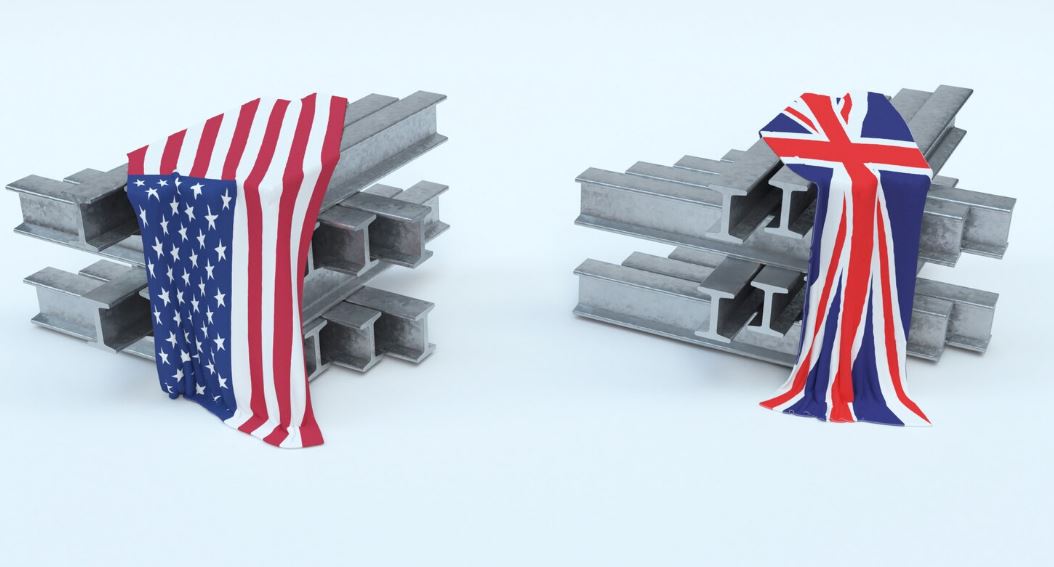
It was always going to be more political theater than an economic blueprint when Donald Trump signed the agreement with Britain in May of last year. After a year, that suspicion has solidified into something approaching reality, with the agreement still unfinished but the ink technically dry. The agreement, which Downing Street frequently praises as evidence that the unique partnership is still relevant, increasingly appears to be a document based more on sentiment than on the law.
It’s difficult to ignore the change in tone. The agreement seemed like a minor victory for a Labour government in dire need of one when Keir Starmer stood next to Trump last spring. Automobiles, steel, aluminum, and aerospace all received less severe treatment than other nations. American beef and bioethanol gained access to British supermarkets and refineries in exchange. On paper, a clean trade.
| UK–US Trade Deal: Quick reference | |
|---|---|
| Official name | UK–US Economic Prosperity Deal |
| Signed | 8 May 2025 |
| Signatories | President Donald Trump & PM Keir Starmer |
| Baseline US tariff on UK goods | 10% blanket rate |
| UK auto export quota | First 100,000 vehicles per year at 10% |
| Sectors covered | Cars, steel, aluminium, aerospace, beef, bioethanol |
| New US farm export opportunity | $5 billion |
| Status of UK steel tariff cut | Partially implemented; full removal pending |
| Order confirming partial implementation | Signed 17 June 2025 |
| Current friction | UK opposition to US strikes on Iran |
| Parliamentary briefing | House of Commons Library tracking |
Then there was Iran. Suddenly, the man who signed the contract began discussing it in the same way that landlords discuss leases they regret. Half-irritated, half-performing, Trump said, “Better than I had to,” during his interview with Sky News last month on his personal cell phone. “Which can always be changed.” Anyone who has observed him in action over the years can identify the pattern: the implied cost of loyalty, the casual threat inserted into a sentence about something else.
He desired British silence on the conflict with Tehran, or at the very least, British boots. He received neither. Starmer, who built his early premiership on controlling Trump’s moods, was clearly weary of doing so when he told the Commons he wouldn’t back down. There was something almost unexpected about the steel in his voice. “It is not our war,” he declared. “I’m not going to change my mind.”
Walking around Westminster these days gives the impression that the deal is being quietly lamented even before it has officially collapsed. Tariff relief was promised to British steelworkers, but it hasn’t yet materialized. There is currently a sort of diplomatic waiting room for the Technology Prosperity Deal, which was meant to follow Trump’s state visit in September. No one is betting the house on the trade agreement anymore, despite investors’ apparent belief that it will endure in some capacity.
Everything is more tense given the economic backdrop. The Bank of England’s Andrew Bailey has been performing his customary reassurance act about resilient banks and lessons learned from 2008, while the IMF has reduced the UK’s growth forecast, citing the consequences of the Iran strikes. The American intervention was referred to as “folly” by chancellor Rachel Reeves. It used to be unimaginable for G7 finance teams to use such language.
And yet, for the most part, the deal still works. At the agreed-upon 10% rate, cars are still leaving Sunderland and entering the US. Even though it hurts, the blanket tariff is less than what the EU is facing. In British industry, there is a tacit acknowledgement that being outside the EU and within this precarious arrangement hasn’t been as disastrous as anticipated thus far. Good does not equate to less catastrophic.


The deal has become a hostage of unrelated policy, which is peculiar. As if they were line items in a single contract, Trump combines discussions about North Sea oil, immigration, Gaza, and even the king’s impending state visit. They’re not. However, the distinction becomes academic when one man writes.
As this develops, the lasting impression is of a relationship that has stopped pretending rather than a trade deal in jeopardy. Britain wagered that early signing would foster goodwill. Perhaps it bought time. It turned out that goodwill was priced separately.

