

 10:59 am - April 29, 2026
For slightly more than fifteen years, Tim Cook led Apple. The precise math is straightforward: he took over as CEO on August 24, 2011, and his tenure will end on September 1, 2026. With an approximate tenure of 5,485 days, he is the longest-serving CEO of Apple in modern history, surpassing even Steve Jobs’ second term. After sitting with the number for a while, it begins to seem almost unbelievable. People tend to forget that half of Silicon Valley thought Cook wouldn’t survive for five years when he started working there.
The showman had been Jobs. Cook was a soft-spoken Alabaman who operated the supply chain, moving factories in the same way that furniture is moved by others. In 2011, there were genuine doubts. In retrospect, it seems that the media undervalued him in a way that proved to be extremely unfair. He was not going to deliver keynote addresses that brought tears to the eyes of adult engineers. He was not attempting to. Instead, he created a machine: a services company that would now be a Fortune 40 company on its own, a global logistics network so effective it became a moat, and an installed base so deep it became gravity.
| Detail | Information |
|---|---|
| Full Name | Timothy Donald Cook |
| Date of Birth | November 1, 1960 |
| Age at Step-Down | 65 |
| Joined Apple Inc. | 1998 |
| Became CEO | August 24, 2011 |
| Step-Down Date | September 1, 2026 |
| Total Time as CEO | Roughly 15 years (just over 5,485 days) |
| Successor | John Ternus, SVP of Hardware Engineering |
| New Role from Sept 2026 | Executive Chairman of the Board |
| Apple Market Cap (2011) | ~$350 billion |
| Apple Market Cap (2026) | ~$4 trillion |
| Stock Performance Under Cook | +2,000% (vs. S&P 500’s +503%) |
| Revenue Growth | $108B (FY2011) → $416B (FY2025) |
| Devices Active Globally | 2.5 billion+ |
| Predecessor | Steve Jobs (CEO 1997–2011) |
The majority of the story, but not all of it, is revealed by the numbers. Apple’s market capitalization increased from about $350 billion to $4 trillion under Cook. The stock increased by roughly 2,000%, which was four times the return of the S&P 500 during the same period. From $108 billion in fiscal 2011 to over $416 billion in fiscal 2025, revenue nearly quadrupled. He was in charge of the M-series silicon transition, the introduction of Apple Watch, AirPods, and Apple Vision Pro, as well as the company’s shift toward services. Even Apple Maps, which Cook recently described in a town hall as his greatest regret, was eventually fixed. The melting of the Brooklyn Bridge has stopped.
The gradual tone drift is more difficult to quantify. Under Cook, Apple evolved from a product company to an ecosystem company. It was adored by investors. A few seasoned users had a cool feeling. Over the past two years, there has been a quiet but growing criticism in tech circles that Apple has lost its ability to surprise people. Siri is far behind Gemini and ChatGPT. At $3,500, the Vision Pro is now more of a curiosity than a category. With some supporting evidence, the DOJ antitrust lawsuit claims that Apple purposefully makes life difficult for anyone utilizing a rival product. According to Cook, none of these are operational failures. They are more difficult than that. They lack creativity, or at the very least, urgency.
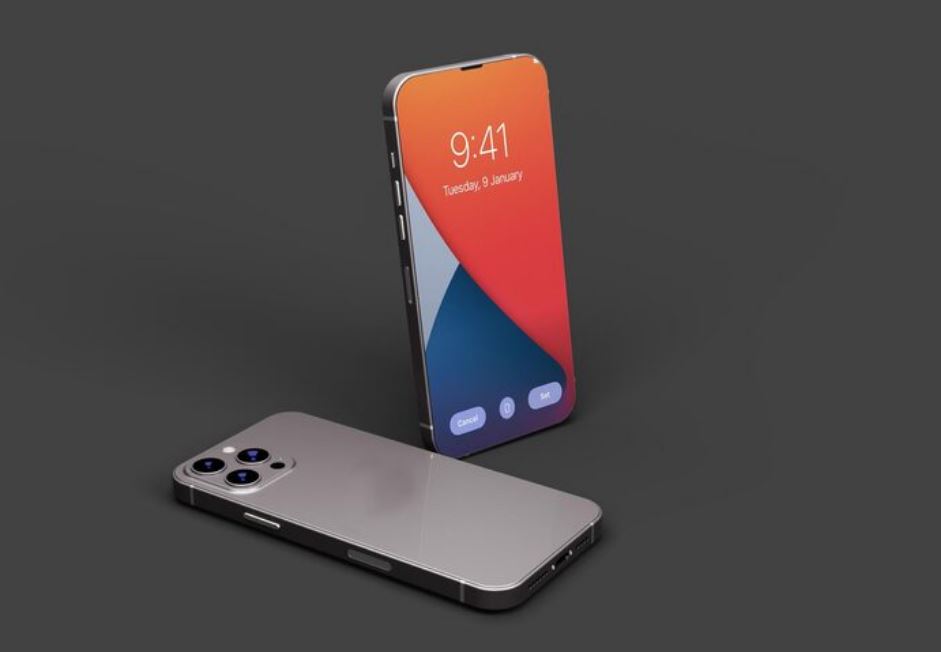
You can practically feel Apple attempting to change course as you watch the succession unfold. The majority of the 25 years that 50-year-old John Ternus has worked for the company have been spent developing hardware. He is the M-chip, iPad, and AirPods guy. The board’s decision suggests that Apple may want its next phase to resemble a workshop floor rather than a quarterly earnings call. It remains to be seen if Ternus can successfully negotiate Beijing, Washington, and the AI race. Cook excelled in all three areas.
It’s difficult to ignore the announcement’s landing. There are no cliffhangers, drama, or boardroom leaks. Cook will continue to serve as executive chairman, assisting legislators—a role he seemed to truly enjoy. Running any business for fifteen years is a long time, and running the world’s most valuable one takes even longer. Tim Cook’s architectural legacy will continue to influence Apple for years to come.



