

 12:20 pm - April 10, 2026
The cave doesn’t make an impression and is situated on private land in Comal County, northeast of San Antonio. Above ground, the Texas Hill Country in that area is a dry, cedar-and-limestone region that is vulnerable to wildfires, scrubby and pale in the summer, and reliant on the Edwards Aquifer for everything from ranch irrigation to municipal water. It doesn’t feel or look like a location where a mastodon’s bones would be found. However, in March 2023, paleontologist John Moretti of the University of Texas at Austin started going underground into Bender’s Cave, snorkeling through an underground stream while wearing a wet suit, and discovering just that. He said, “There are bones all over the floor.” In a manner he had never witnessed in any other cave, everywhere.
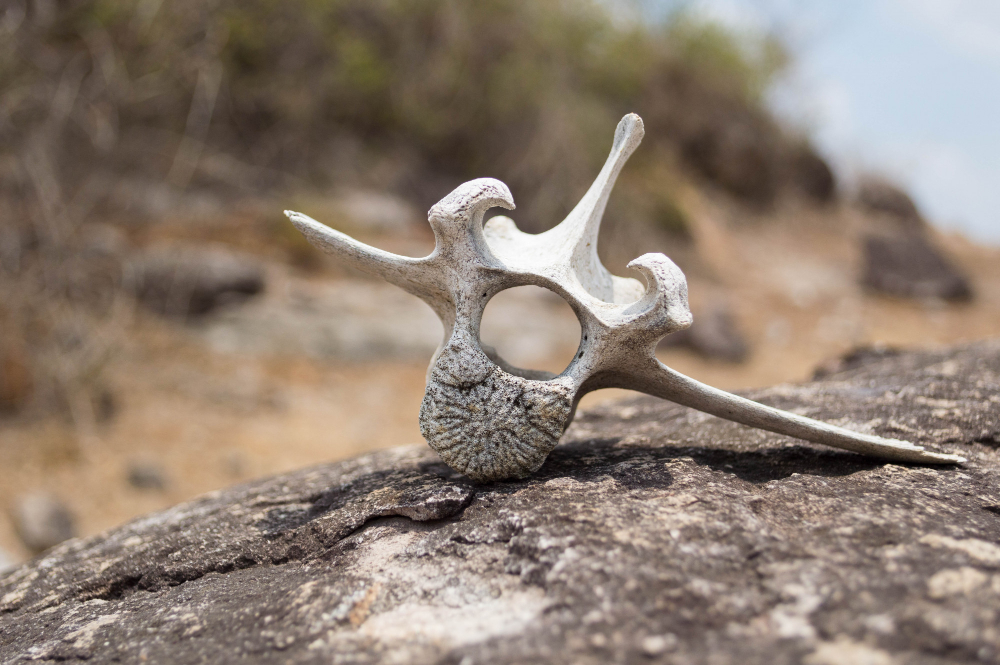
On their own, the discoveries made during six expeditions by Moretti and fellow explorer John Young are noteworthy. They found fossils of mastodons, giant ground sloths, saber-tooth cats, ancient camels, horses, and two species that had never been found in this region of Texas before: a giant tortoise and a pampathere, a South American ancestor of armadillos that migrated to North America about 2.7 million years ago and weighed about 440 pounds. These fossils were found in 21 different zones of the submerged cave. The fossils are polished and rust-colored due to thousands of years of mineral-rich groundwater; they are oddly beautiful, as is often the case with very old things. On the bed of the stream, many were lying in plain sight. You could pick them up by reaching down.
| Discovery | Details |
|---|---|
| Site | Bender’s Cave — a submerged groundwater conduit system in Comal County, northeast of San Antonio, Texas |
| Discovered By | John Moretti (paleontologist, University of Texas at Austin) and John Young (spelunker and paramedic) |
| Research Published | March 2026, Quaternary Research journal |
| Fieldwork Period | March 2023 – November 2024 (six cave expeditions; 21 zones surveyed) |
| Species Identified | Mastodon, giant ground sloth, saber-tooth cat, camel, giant tortoise, pampathere (lion-sized armadillo ancestor), horse |
| Key Discovery | Giant tortoise and pampathere — first documented in Central Texas; suggests a warm, moist, forested environment |
| Estimated Age | ~100,000 years ago — last interglacial period, a warm interval during the most recent ice age |
| How Fossils Were Collected | Snorkeling in underground stream; fossils rust-colored and mineralized, scattered freely across the cave floor |
| Climate Implication | The presence of forest-dwelling megafauna in modern semi-arid Central Texas suggests the region was dramatically wetter and forested during this warm period |
| Why This Matters Now | Understanding warm interglacial conditions from 100,000 years ago provides a potential analog for future climate shifts in the American Southwest |
The picture gets clearer the more researchers examine these animals’ characteristics and preferred habitats. Mastodons and giant ground sloths were forest creatures. Instead of open rangeland, they needed trees. The semi-arid Hill Country does not currently provide the warmer, more humid conditions that giant tortoises need. The pampathere, which originated in South America’s dense vegetation, required coarse plant material that doesn’t thrive in arid, rocky environments. The fact that all of these animals lived in what is now one of the more drought-prone areas of the American Southwest, died, and eventually washed into the cave during erosion events, implies that Central Texas was a very different place approximately 100,000 years ago during the last interglacial warm period. It was wetter. more wooded. Instead of the punishing ways it is now, it is warmer in the proper ways.
One of the most researched periods in paleoclimate science is the 100,000-year-old warm period, which was the final interglacial before the most recent ice age. However, it is also one of the least understood at the regional level for the American South. The average global temperature at that time was either slightly warmer than it is now or nearly so. The sea level had risen several meters. Patterns of the monsoon changed. The Bender’s Cave fossils provide a unique piece of information on what the interior of North America looked like during that warm period. This site may be one of the earliest direct records of interglacial megafauna in Central Texas if the dating is verified, which Moretti and his colleagues admit needs more work given the chemical changes the fossils have undergone from decades of submersion in mineral-rich water. That is not insignificant.
Here, there is a clear thread that links the prehistoric to the present. The American Southwest is already experiencing what climate scientists refer to as an aridification trend, which is a long-term drying caused by changing precipitation patterns, decreased snowpack in the Rockies, and rising temperatures. The 2012 Texas drought, which at the time was the most costly natural disaster in the state’s history, is still remembered. Because the river no longer consistently produces the water that the 1922 agreement assumed it would, the Colorado River compact is currently being renegotiated. Numerous “megadroughts” lasting decades or longer have been documented in the last 2,000 years by scientists studying paleoclimate records, such as tree rings and lake sediment cores from all over the Southwest. These droughts dwarf anything documented in the instrumental era.
Something else is indicated by the bones in Bender’s Cave: the recollection of a different Texas. It’s not a warning about drought per se, but rather about how drastically an ecosystem can change over timescales that don’t seem real until you touch a mastodon tooth. The warm conditions that eventually gave rise to the current climate were the same ones that allowed forests to grow in what is now scrubland. The interglacial period was over. The ice came back. The animals in the forest either moved or stayed put. And the rust-colored, mineralized bones remained in the cave, waiting for a man in a wet suit to swim by.
Quieter than the fossils themselves, it’s difficult to ignore another aspect of this tale: Texas’s subterranean aquifer system’s contribution to their preservation. The Edwards Aquifer, a huge, porous limestone reservoir beneath Central Texas that has been storing groundwater for millions of years, is the reason Bender’s Cave exists. The same water that brought these bones into the cave and kept them submerged and preserved is also used for drinking in San Antonio, pumped for livestock by ranchers in the Hill Country, and is currently being depleted more quickly than it is replenished by rainfall during dry spells. The aquifer contains the fossil record. Additionally, the aquifer is experiencing its own stress.


According to Moretti, the location is “a new window into the past.” That phrase’s accuracy is appropriate. A window not only lets you see what’s beyond, but it also serves as a reminder of where you are and what has changed in the space between.