

 12:07 pm - March 13, 2026
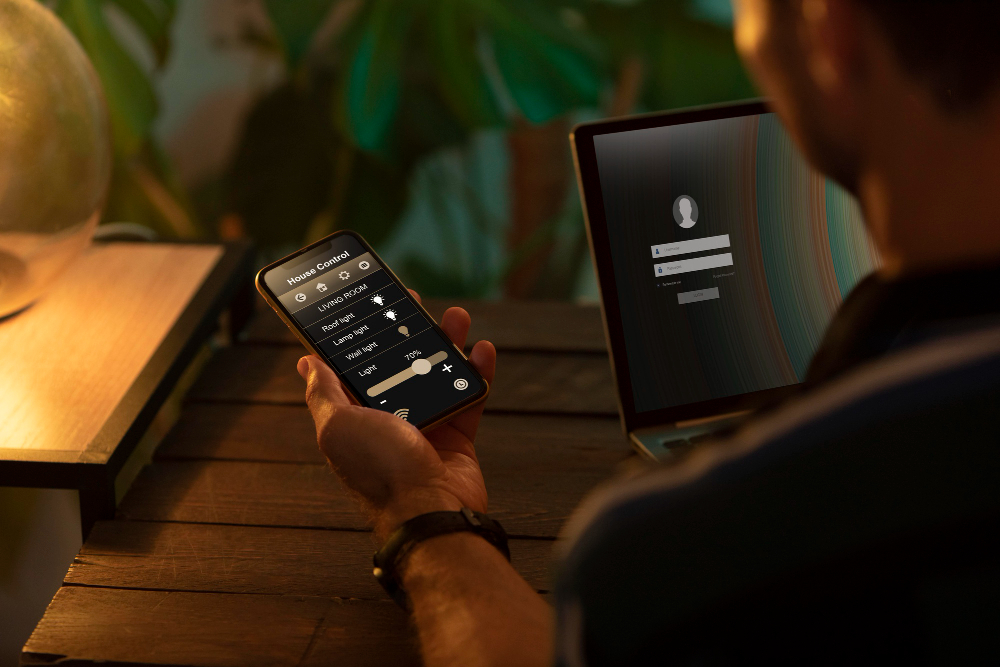
Almost everywhere in the world, a familiar scene takes place on a packed subway platform. When someone unlocks their phone, they automatically tilt the screen to protect it from straying eyes. It’s a tiny, nearly unconscious gesture. However, it alludes to a more significant reality: people are aware that smartphones have turned into repositories of personal data.
Samsung appears to have been keeping a close eye on these events. The company’s most recent smartphone security concept, which is anticipated to make its debut with the Galaxy S26 lineup, presents what it refers to as a “Privacy Display”—a pixel-by-pixel system that regulates what other people can see on your screen. The concept is surprisingly useful despite its technical, almost abstract, sound. Imagine using your phone to ensure that only you can read the screen while you type a password in a busy café.
| Category | Details |
|---|---|
| Company | Samsung Electronics Co., Ltd. |
| Founded | 1969 |
| Headquarters | Suwon, South Korea |
| Industry | Consumer Electronics & Mobile Technology |
| Flagship Smartphone Series | Galaxy S Series |
| Key Security Platform | Samsung Knox |
| Notable Upcoming Feature | Privacy Display (Pixel-level privacy protection) |
| Related Software | One UI |
| Employees | ~270,000 globally |
| Official Website | https://www.samsung.com/security |
It’s a minor adjustment. However, it points to a more significant development in the smartphone market.
Samsung has long discussed security through its Knox platform, which has been subtly operating on Galaxy devices for years and combines software and hardware protections. However, Knox primarily works in the background, protecting against malware and illegal access. The new privacy display shifts the discussion to real-world scenarios where people use their phones in public.
And that’s where the interesting part begins. Not all technical details have yet been clarified by the company. According to preliminary reports, the display may be able to selectively darken specific regions of the screen or reveal sensitive information only when viewed directly. In actuality, this could entail masking password fields, hiding notifications, or hiding banking apps while maintaining a fully readable display.
It appears that Samsung is moving away from reactive security based on how the feature is presented. Phones typically react when something goes wrong, such as when a device is stolen, an account is hacked, or a password is compromised. This method feels different. By practically predicting human behavior, it attempts to stop issues before they arise.


That change is most likely not coincidental. Concerns about digital privacy and phone theft have been growing globally. Samsung recently added features like motion-based theft detection, which can automatically lock a device if it is snatched from someone’s hand, to its One UI updates to increase anti-theft protections. It’s the kind of technology that seems both strangely necessary and a little futuristic.
The social dimension is another. These days, people use their phones for everything, including identity verification, banking, business communication, and health records. Compared to a laptop ten years ago, the tiny glass rectangle in someone’s pocket frequently holds more private information. The design of security features has been subtly altered by this reality.
It’s easy to see how often people look over their shoulders while typing something delicate when you’re in a coffee shop or airport lounge these days. Not in a big way. Just to make sure. Before entering a PIN, take a brief break.
Samsung engineers might have observed the same thing. In essence, the company’s purported pixel-level privacy system attempts to address what the industry refers to as “shoulder surfing.” The phone itself controls visibility dynamically rather than requiring users to install dimming privacy screen protectors, which frequently cause color distortion or brightness reduction. It is possible to conceal sensitive content while maintaining clarity and brightness.
It might feel nearly undetectable if it functions as described. In conversations about Samsung’s future strategy, the word “invisible” has begun to come up more frequently. According to some analysts, the company’s strategy is “invisible AI,” which refers to technology that subtly enhances experiences without continuously requiring attention. That concept naturally incorporates security features.
The best security tools are, after all, the ones that people hardly notice. There are still unanswered questions. Actually, quite a few. Samsung hasn’t disclosed how the privacy display determines viewing angles or how accurate the pixel control will be. Additionally, early iterations might feel more like experiments than completed solutions.
Promising concepts that failed outside of the lab abound in the history of technology. However, the overall direction appears to be clear even if the feature arrives in an imperfect form. Manufacturers of smartphones are starting to approach privacy as a design feature rather than merely a settings menu tucked away in the system.
With its own privacy-focused messaging about iOS, Apple has adopted a similar strategy. Google has increased Android device security and anti-theft features. The distinction is that Samsung seems to be advancing the concept by incorporating privacy into the display itself.
That is a more audacious move. It’s difficult to ignore how subtly this change is taking place. Faster processors or marginally sharper cameras dominated smartphone launches ten years ago. These days, security, privacy, and trust are becoming more and more important improvements.
Not showy upgrades. but very intimate ones. It’s unclear if Samsung’s pixel-level privacy feature will become industry standard. In retrospect, technological trends frequently appear clear, but they are often messy in the moment.
However, observing this evolution, there’s a growing sense that the smartphone is changing once more—not just as a communication or entertainment tool, but as something more akin to a personal safe.
And if that’s where the industry is going, Samsung might have just given us a sneak peek at what the next generation of mobile technology will look like.


