

 10:10 pm - February 26, 2026
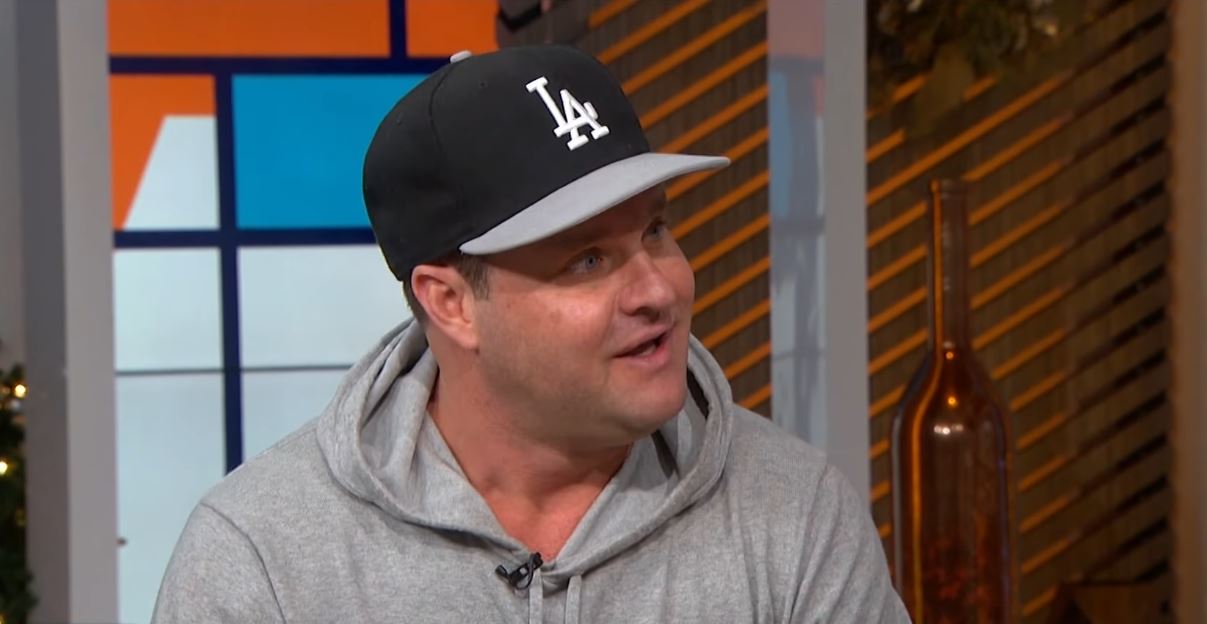
Friday nights in the 1990s were associated with power tools, canned laughter, and flannel shirts. Zachery Ty Bryan, who played Brad Taylor on Home Improvement, was standing in the middle of that living room glow. Being the eldest son, he was athletic, sometimes rebellious, and always redeemable by the end. Under the lights of the studio, America watched him grow up.
Now, that version of him seems so distant. Bryan entered a guilty plea to a felony DUI charge related to an arrest in 2024 and was sentenced to 16 months in a California county jail in February 2026. According to court records, his blood alcohol content was 0.15%, which is almost twice the legal limit. They refused to grant probation. His previous DUI was not this one. Actually, it was a part of a series of arrests that have characterized his life over the last five years.
| Category | Details |
|---|---|
| Full Name | Zachery Ty Bryan (Zachery Tyler Bryan) |
| Born | October 9, 1981 – Aurora, Colorado, U.S. |
| Age | 44 |
| Known For | Brad Taylor on Home Improvement |
| Notable Films | The Fast and the Furious: Tokyo Drift; First Kid |
| Legal Status | Sentenced to 16 months in California jail (2026) for felony DUI |
| Prior Legal Issues | Multiple DUI arrests; domestic violence-related charges |
| Children | 7 |
| Former Spouse | Carly Matros (m. 2007–2020) |
| https://www.justjared.com/2026/02/25/home-improvement-star-zachery-ty-bryan-sentenced-to-jail/ |
The juxtaposition of those headlines evokes a certain melancholy. Bryan is now forty-four. The public still associates them with the term “child star,” even though they are old enough to have outgrown it. He starred in movies like First Kid and The Fast and the Furious: Tokyo Drift after Home Improvement concluded in 1999, but his career never fully regained the consistent prominence of his sitcom days. He left acting in the late 2000s to pursue business and production endeavors.
The shift from adolescent celebrity to adult anonymity might be more upsetting than others think.
Cameras recently caught a different Bryan outside a courthouse than the one that was frozen in syndicated reruns. He appeared older, heavier around the eyes, and walked with the reserved demeanor of someone who is aware that the story is no longer in his favor. The 16-month sentence follows a string of DUI arrests in various states, probation violations, and prior charges related to domestic violence. After an incident in Oregon in 2020, he entered a guilty plea to fourth-degree assault and menacing.
In courtrooms, patterns are important. Judges give a lot of weight to repetition, and Bryan’s record points to a cycle rather than a single transgression. Enhancements are applicable when there are prior offenses, according to legal terminology. It appears in human language as someone who is having difficulty kicking recurring habits.


This is part of a larger narrative about child actors and the transience of early celebrity. A generation of young television stars emerged in the 1990s, their lives less regimented off-camera but meticulously planned on-screen. Some successfully and quietly made their way into adulthood. Others faltered under the burden of money, identity confusion, and expectations.
It appears from Bryan’s trajectory that the industry gave early support before moving on.
Tim Allen, Bryan’s co-star, called him “complex” in interviews years ago. Now, that word lingers. Ambition, restlessness, and sensitivity are all signs of complexity. It may also indicate volatility. Whether Bryan’s recent problems are due to substance abuse or more serious personal instability is still unknown. It is evident that recurrent DUI arrests indicate more than just poor judgment; they frequently indicate an issue that is getting worse without intervention.
His private life has also come under investigation. He was previously married to Carly Matros and has seven children together. For years, there have been rumors of strained relationships and legal entanglements. Consequences pile up with each arrest, compounding the previous one.
Almost all child stars experience a time in their lives when the public forgets they are only human. It is the character, not the individual, that we recall. Although impulsive, Brad Taylor was eventually innocuous. 22 minutes is not a tidy way to wrap up real life. There are no laugh tracks in the county jail.
Bryan’s 16-month sentence is the harshest punishment he has ever received, even though it includes credit for time already served. It’s unclear if it will turn out to be a turning point. At best, rehabilitation in jail is uneven and largely depends on the resources and commitment of the individual. The judge’s refusal to grant probation implies waning tolerance.
One can’t help but wonder what redemption might entail in this situation. The public’s sympathy for repeat DUI offenders quickly wanes, particularly if earlier warnings were ignored. However, addiction does not react to shame, if that is a factor in this story.
Similar arcs have been seen in Hollywood before: early stardom, public disintegration, and comeback attempts. Some are able to rebuild. Others fade into cautionary tales told in documentaries about nostalgia.
People who grew up in the 1990s still recognize Bryan’s name. That acknowledgement is significant. It can inspire change or serve as a reminder of the past. What takes place off-camera frequently makes the difference.
For the time being, the arc leans more toward responsibility than praise. The boy who used to stand next to Tim Allen on a sitcom set is now facing months in prison and repercussions that no screenwriter can mitigate. There is a sense of unresolved business as you watch this play out, not with television but with himself.