

 10:24 pm - February 25, 2026
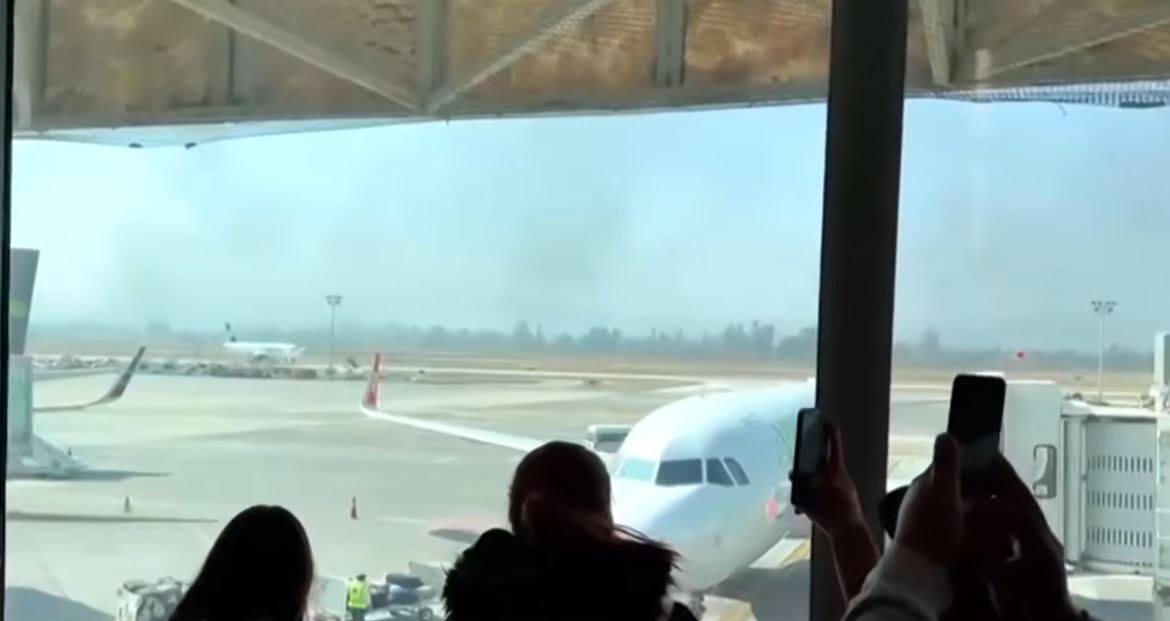
On Monday morning, Guadalajara International Airport’s departures board wavered between green and red, with the red lines growing more quickly than the coffee line by Gate 5. Eleven cancellations. There are eleven delays. And more. Passengers stood in asymmetrical groups, their phones up, updating airline applications as though the action itself could alter their destiny.
Today’s Guadalajara airport news focuses more on a city readjusting after a shock than it does on aviation logistics. The Jalisco New Generation Cartel leader Nemesio “El Mencho” Oseguera Cervantes was killed, which sparked the unrest. Roadblocks, burning cars, and smoke rising from highways that just days before carried traffic headed for the beach were all signs of retaliatory violence in Jalisco following his death in a military operation.
| Category | Details |
|---|---|
| Airport Name | Guadalajara International Airport |
| Official Name | Miguel Hidalgo y Costilla International Airport |
| IATA Code | GDL |
| Location | Tlajomulco de Zúñiga, Jalisco, Mexico |
| Operator | Grupo Aeroportuario del Pacífico (GAP) |
| Recent Event | Civil unrest following killing of cartel leader “El Mencho” |
| Official Airport Info | https://www.aeropuertosgap.com.mx/en/guadalajara-3.html |
Despite viral posts implying otherwise, there were no verified reports of gunmen storming the airport inside the terminal. However, perception is quicker than reality. Online videos showed airport workers running toward the interior hallways while passengers crouched behind counters. Perhaps fear spreads faster than fire once it is planted.
The airport’s operator, Grupo Aeroportuario del Pacífico, reported dozens of flight disruptions on Sunday. More planes were taking off by Monday, albeit with some difficulty. Passengers were advised by airlines such as Delta, United, and Air Canada to frequently check the status of their flights. One by one, the check-in counters reopened, and a cautious rhythm—albeit one devoid of confidence—returned.
National Guard vehicles were idling along access roads outside the airport perimeter. Vehicles burned during the previous night’s narco-blockades left faint scorch marks on the asphalt. It’s difficult to ignore how integrated the airport is into Tlajomulco de Zúñiga’s urban sprawl, rather than isolated like some international hubs.
In retrospect, the stories that travelers told sounded unreal. In Puerto Vallarta, one American visitor woke up to columns of black smoke rising in all directions before rushing to get food as eateries closed. Another described being dragged out of a car and seeing it burn to block traffic. These aren’t anecdotes from airports. They serve as a reminder that airports are only indicators of wider instability.


“Peace, security, and normalcy” are being maintained throughout a large portion of Mexico, according to President Claudia Sheinbaum. And that seems to be true to some degree. The majority of the reported roadblocks in Jalisco had been removed by Tuesday. Slowly, public transit started to reopen its routes. In stages, flights were starting up again. Once stopped, everyday life’s machinery usually restarts due to necessity.
There is, however, a persistent tension.
Security analysts note that cartel violence usually affects infrastructure and revenue-generating businesses rather than directly targeting tourists. However, for stranded passengers, the distinction becomes meaningless when buses burn and highways close. Ahead of the World Cup matches in Guadalajara, investors are keeping a close eye on the situation, especially in tourist-heavy areas like Jalisco. Confidence is perceived as being as brittle as runway glass.
Confusion was, however, exacerbated by social media. Reddit posts conjectured about burning airplanes. In the event that an airport abruptly announced its closure, aviation enthusiasts argued over whether a pilot could lawfully take off. Despite chaos trending online, one widely tracked flight persisted in its approach to GDL, prompting a rush of amateur analysis. Frequently, the digital aspect of a crisis seems more loud than the physical one.
Reality on the ground was less cinematic and more procedural.
Boarding pass scanning was resumed by airport employees. Although they were thinner than normal, security lines moved steadily. The sound of suitcases rolling came back. Conversations were still quiet, though. People seem to be juggling caution and exhaustion as they watch this play out. Another disruption feels both unusual and strangely familiar after years of pandemic disruptions and world turmoil.
The cautious restart of airline operations has begun. While U.S. carriers indicate a partial recovery contingent on conditions, Air Canada plans a full restoration from major Canadian cities. Flights operated by Lufthansa to Mexico City remained unaffected, serving as a reminder that location is important during emergencies. Currently, Guadalajara is the epicenter. It might not stay that way.
The city’s historical memory is still shaped by the 1993 crossfire incident at Guadalajara airport that resulted in the assassination of Cardinal Juan Jesús Posadas Ocampo. Here, airports have served as symbols in the past. They are thresholds, delicate but necessary.
The airport in Guadalajara is open today. Not perfectly. Not with assurance. But working.
Whether this incident will lead to permanent travel warnings or just fade into Mexico’s convoluted security story is still unknown. Slowly, tourists are getting on their way home. People are going back to work. Over the highways, the smoke has gotten thinner.
When there is unrest, airports are strange places. They promise escape but increase uncertainty. That contradiction is evident in Guadalajara, where engines are warming, announcements are resounding overhead, and the city subtly asserts that it will proceed, albeit cautiously.