

 8:27 am - April 1, 2026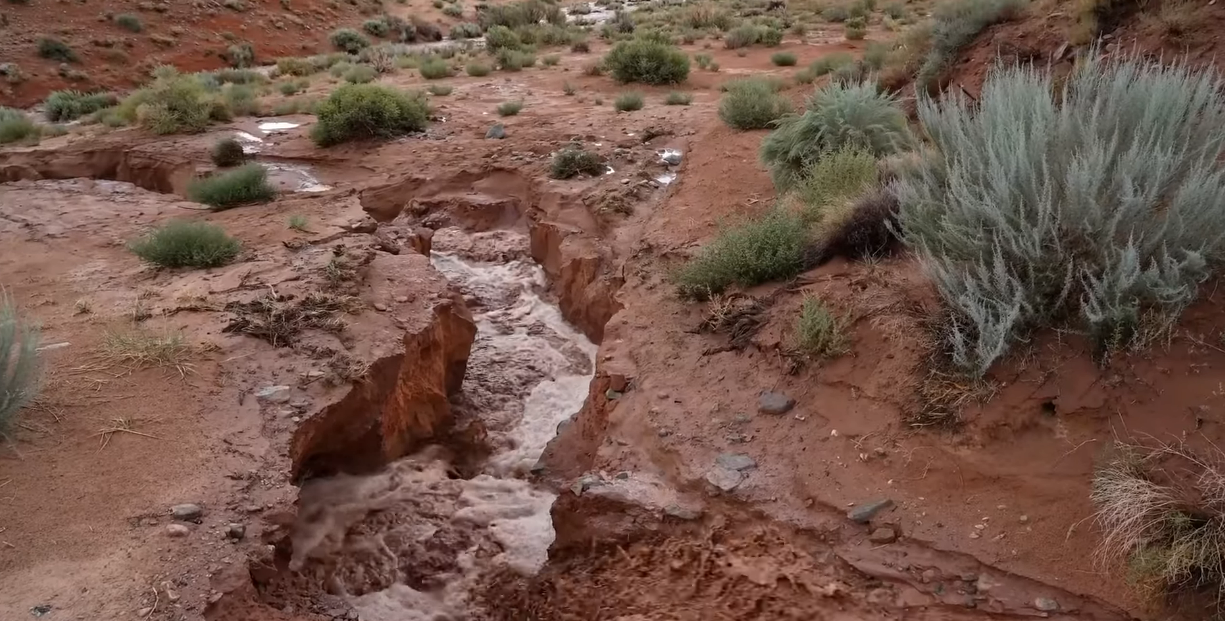
The air smelled of damp loam instead of dust when I arrived to Merzouga in late October 2024. It was strangely .. After being dry for almost 20 years, Yasmina Lake had returned, reflecting the golden dunes like a mirror that had at last remembered its function.
The tour leaders were clearly excited. Youssef Ait Chiga, who was visibly energized as he led a party of German travelers onto the newly constructed coast of the lake, declared, “It’s a gift.” His voice had a hint of desperation mixed with awe.
Laetitia Chevallier, a French traveler, expressed gratitude for that gesture. She said that the rain had brought back memories of the desert as well as the landscape, making it seem as though it had been reborn. That remark stuck with me.
| Category | Detail |
|---|---|
| Region Affected | Southeastern Sahara — including Merzouga and Erg Znaigui, Morocco |
| Main Cause | Northward shift of the Intertropical Convergence Zone |
| Rainfall Timing | Mid-July to late September 2024 |
| Rainfall Level | Up to 500% of monthly average in some regions |
| Notable Effects | Vegetation growth, lake reformation (Yasmina Lake), tourist surge |
| Climate Commentary | Possibly linked to climate change; requires further attribution |
| Mortality Toll | 28 deaths in Morocco, 6 in Algeria due to associated floods |
| Scientific Reference | World Resources Institute – Water Stress |
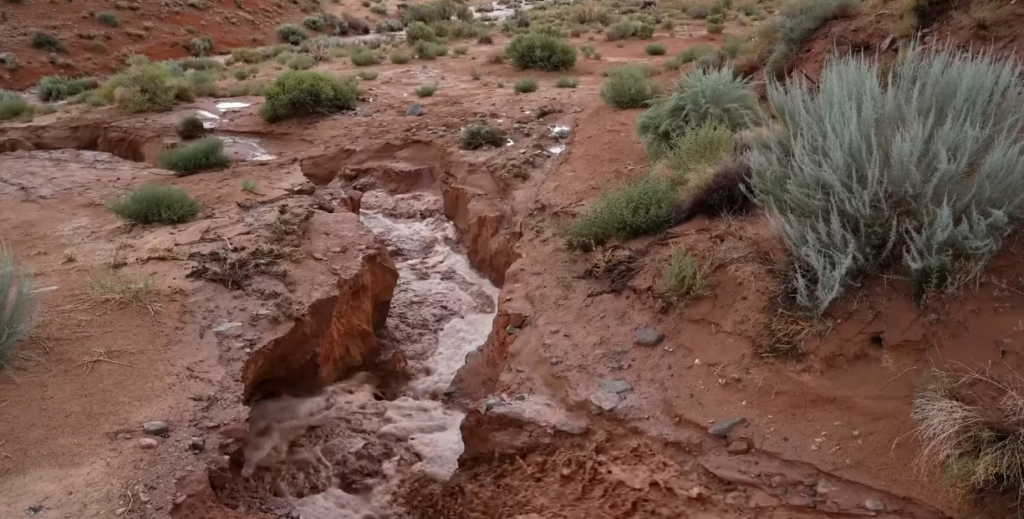
The southeast region of Morocco has seen an extremely uncommon occurrence in recent months: prolonged rainfall heavy enough to alter some areas of the desert. Normally happy to stay closer to the equator, the intertropical convergence zone pushed northward, bringing thunderstorms and heavy clouds with it. As a result, the area experienced a series of unusually heavy downpours.
Dry basins such as Erg Znaigui had become flooded pockets of life by the end of September. Palm palms began to bloom once more. At night, frogs would croak. I was informed by locals that those sounds had not been heard in years. The desert ceased its whispering and began to sing for a moment.
However, the beauty came with a price. Authorities in Morocco claim that unexpected floods killed at least 28 people. Algeria, a neighbor, experienced a similar disaster. It served as a sobering reminder that, despite its beauty, nature can sometimes be cruelly unbridled.


Nevertheless, there was no denying the startling visual change. Having hiked this area previously, I was astounded to see that it was nearly unrecognizable—softer, greener, and oddly friendlier. It seemed as though the scenery had temporarily chosen to show mercy to both locals and visitors.
The scientific community reacted cautiously and with interest. Although the event might indicate changing climatic patterns, climate researcher Fatima Driouech pointed out that it is still too early to draw any firm conclusions without further investigation. However, the pattern was unmistakable—such heavy and continuous rain doesn’t just happen.
Meteorologists highlighted how this uncommon occurrence might become more common as global warming alters wind patterns and atmospheric behavior by combining decades of climate data. They were very explicit in saying that, although beneficial in areas affected by drought, such occurrences could have potentially imbalanced effects in the absence of adequate planning or infrastructure.
The rain was both a relief and a mirage for Morocco’s agricultural sector, which is still suffering from a severe drought that has lasted for six years. Although the rainfall wasn’t consistent, it hydrated fractured soil, replenished some aquifers, and created temporary water reserves. Concerningly dry conditions persisted in the central and northern regions.
Nevertheless, Merzouga, the oasis in the southeast, was altered—economically, emotionally, and visually. Visitors flocked there to see a lake revived, not only to ride camels or chase sunsets. Yasmina was once more a destination. “I hadn’t seen these views in fifteen years,” remarked Jean Marc Berhocoirigoin, a French visitor in his late sixties, standing silently at the water’s edge. He sounded less astonished and more sentimental.
I recall photographing a family of ducks paddling along the lake’s rim close to the lake’s edge. They belonged even though they were obviously new. I wasn’t prepared for the brief period of harmony.
The feeling of regeneration, not only the change in appearance, was what gave this occasion its special significance. Few people had tickets to the encore performance that Nature had put on. The memory persisted even if the curtain will eventually fall again.
Often depicted as desolate and unchanging, the desert had shown itself to be remarkably adaptable. It rapidly adjusted, embraced the return of life, and urged us to listen. It could, but not because it had to.
According to Morocco’s weather bureau, we might witness more of these peculiar blooming in the years to come—more rain, more green, more contradiction. If so, we need to drastically alter our infrastructure and conservation strategies to fit the new cadence.
This incident provided a striking case study that illustrated how quickly the environment may change. More significantly, it served as a reminder that no location is set in stone and that no pattern endures. There are still surprises hidden beneath the surface of even the ancient, famous, and immensely dry Sahara.
We may rethink how ecosystems function in harmony with shifting conditions by paying attention to these uncommon changes and reacting with anticipation rather than dread. The desert’s uncommon bloom wasn’t a coincidence for Merzouga and others; rather, it served as a reminder to pay more attention, make better plans, and have more sincere hopes.