

 1:58 pm - March 27, 2026
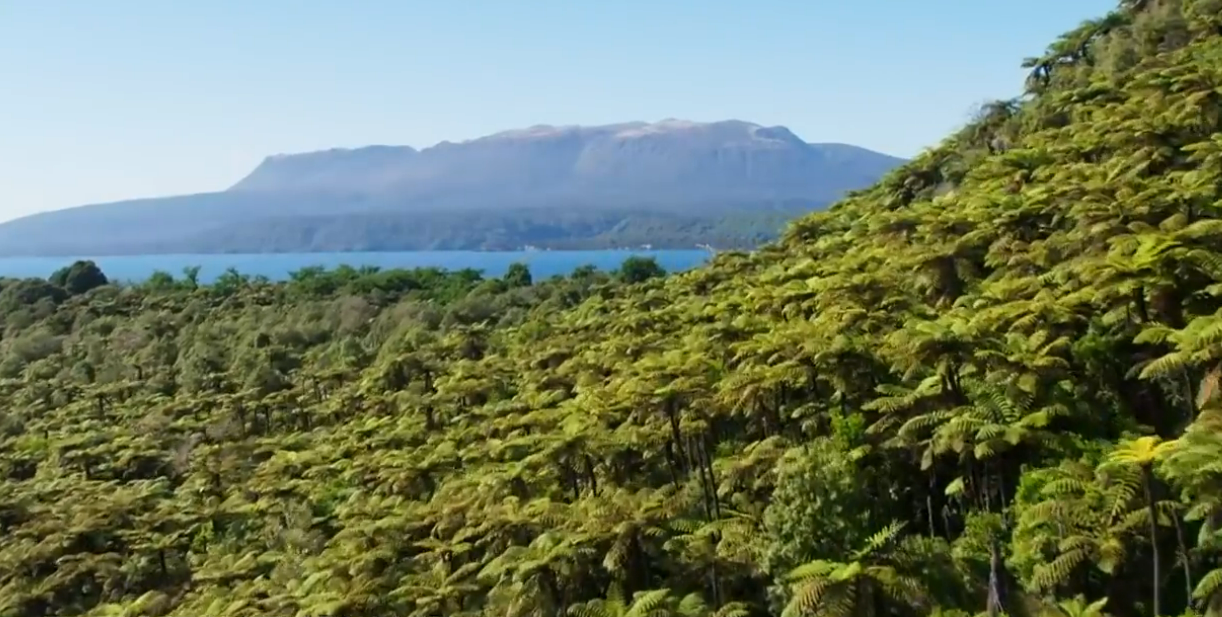
The landscape seems serene from the crater rim of Mount Ruapehu. The lake is motionless. There is no sulfur in the air. Beneath that placid exterior, however, faint vibrations have been quietly and persistently expressing themselves, analogous to a knock in the distance that you shouldn’t ignore.
Since the beginning of February, these low-frequency earthquakes have continued to occur irregularly. They deviate from Ruapehu’s usual seismic behavior, but they are neither very strong nor long. Geologists were more interested in them as a result of GNS Science’s observation of their scarcity.
| Volcano | Notable Activity (2024–2026) | Current Alert Level | Key Characteristics |
|---|---|---|---|
| Mt Ruapehu | Uncommon low-frequency tremors; not typical volcanic tremor | Level 1 (Normal) | Crater lake stable, low SO₂, unclear source |
| Whakaari / White Island | Steam-driven phreatic eruptions; fluctuating gas emissions | Level 2 (Unrest) | Persistent hydrothermal system |
| Tongariro | Repeating “tornillo” seismic signals suggest fluid movement | Level 1 (Normal) | Known for unique screw-shaped quake signals |
| Rotorua Region | Mag. 2.4 quake near Rotorua (Feb 10, 2026) | N/A | High-frequency microseismic activity |
| Matatā | Ongoing subsurface magma intrusion since 1950 | N/A | Area uplifted, misread as tectonic at first |
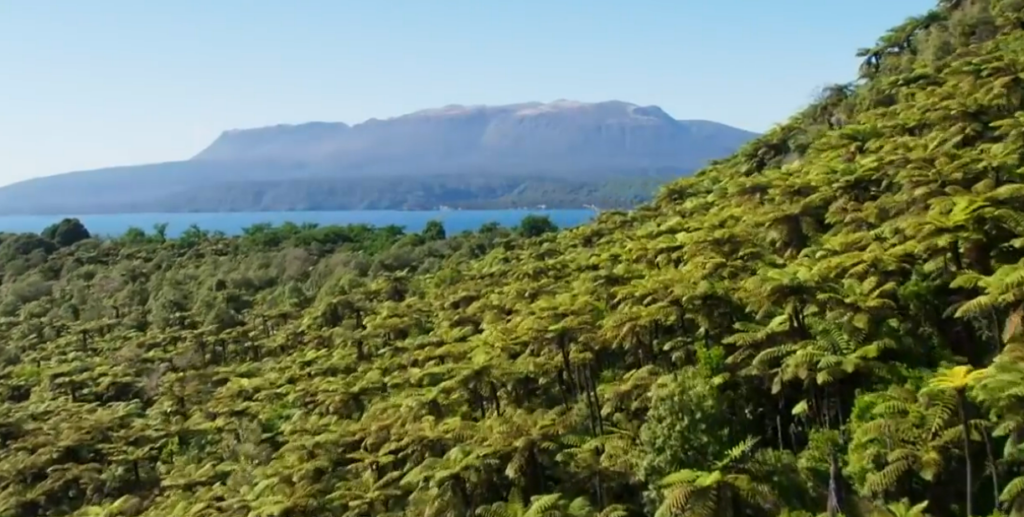
These vibrations lack accompanying indicators, in contrast to classic volcanic tremor, which frequently indicates magma movement or degassing. This makes interpretation more difficult. The temperature of the crater lake doesn’t change. The amount of sulfur dioxide is modest. No protruding ground. No rumble to be heard.
The tremors continue, though. According to some experts, these might be the result of gas or steam moving beneath obstructions in passageways. Others suggest a mechanical explanation, such as thermal cracking in the rocks beneath the peak or minor collapses. Although the reality is still murky, they are difficult to ignore due to their frequent occurrence.
The stakes are made clearer by contrasting this activity with previous occurrences, especially the devastating eruption at Whakaari in 2019. There was a decrease in tremor after that eruption. Many interpreted that as a sign of relaxation. Rather, pressure had steadily increased until it burst disastrously. There were more than twenty fatalities. The message was profoundly human in nature, not merely geological.
Whakaari is still agitated today. Emissions change throughout time. The steam hisses and pulses. It is still classified as having considerable instability (Volcanic Alert Level 2). Whakaari’s expressive volatility, in contrast to Ruapehu’s muted appearance, makes it easy to interpret but also deceptively hazardous.


Tongariro offers an alternative puzzle. It has subtly produced “tornillo” signals, which are seismic waves with a screw shape that indicate fluid squeezing through small fissures. Despite their scientific interest, these signals are quite challenging to identify and decipher. Despite their subtlety, their presence reveals that the system is anything but inactive and signals subsurface fluid motion.
Numerous shallow earthquakes have been recorded in Taupō and Rotorua, both on the volcanic plateau. Despite their tiny size, they happened close to important geothermal regions. On February 10, the series had a magnitude 2.4 near Rotorua and a 3.0 near Taupō. Although these tremors do not always indicate volcanic activity, they are nonetheless monitored when combined with past geothermal movements.
The Matatā region continues its gradual ascent further northeast. Previously thought to be the result of tectonic movement, this is now commonly recognized as an indication of subsurface magma intrusion. Since the 1950s, it has been taking place. The ground is a few centimeters higher now. The phenomena serves as a reminder that volcanic activity is not always roaring, even while no eruption is predicted. It occasionally lurks, waits, and blends into the background.
The integration of several data streams—gas chemistry, earth deformation, crater lake temperatures, and acoustic readings—is what makes New Zealand’s monitoring initiatives very novel. Scientists create a multi-layered understanding by integrating these. Being prepared is more important than making predictions.
Recently, GNS has improved its signal detection skills by utilizing machine learning methods. Seismic patterns can now be detected by these technologies more quickly and accurately. This is especially helpful in spotting early signs that human analysts could miss since they are rare or subtle.
Although the method is quite effective, human experts always have the last say. They analyze information, spot trends, and finally choose whether to send out alerts or keep things as they are. The technology functions much like a swarm of bees, buzzing about abnormalities and bringing up regions that require closer examination.
The system functions best from the perspective of public safety when prudence and curiosity coexist. These sceneries are recognizable to people from New Zealand. Many people live close to these peaks and trek and ski there. As they grew older, they saw steam move across the skyline and learned evacuation procedures.
Even still, every new tremor has the power to change the story, despite all the repetition. It turns out that certain patterns are just geological whispers. Others, as demonstrated in the past, turn out to be signs that were always present but were not noticed in time.
The fact that there has been a noticeable improvement in communication regarding these situations is promising. These days, GNS frequently releases information for local populations, hikers, and tourists in addition to scientists. During times of extraordinary activity, when false information can spread more quickly than a seismic wave, this outreach is especially important.
Science teams make sure that in the event that an alert level is raised, the public response can be prompt, well-informed, and coordinated by working strategically with emergency management authorities. More than safety procedures, the 2019 Whakaari eruption altered the dialogue between science and society.
These recent tremors in Ruapehu could either subside or change in the future. They may continue to exist as solitary oddities or they may become part of a larger pattern. The mountain has spoken, any way. Yes, softly. However, with a purpose.