

 9:23 am - March 23, 2026
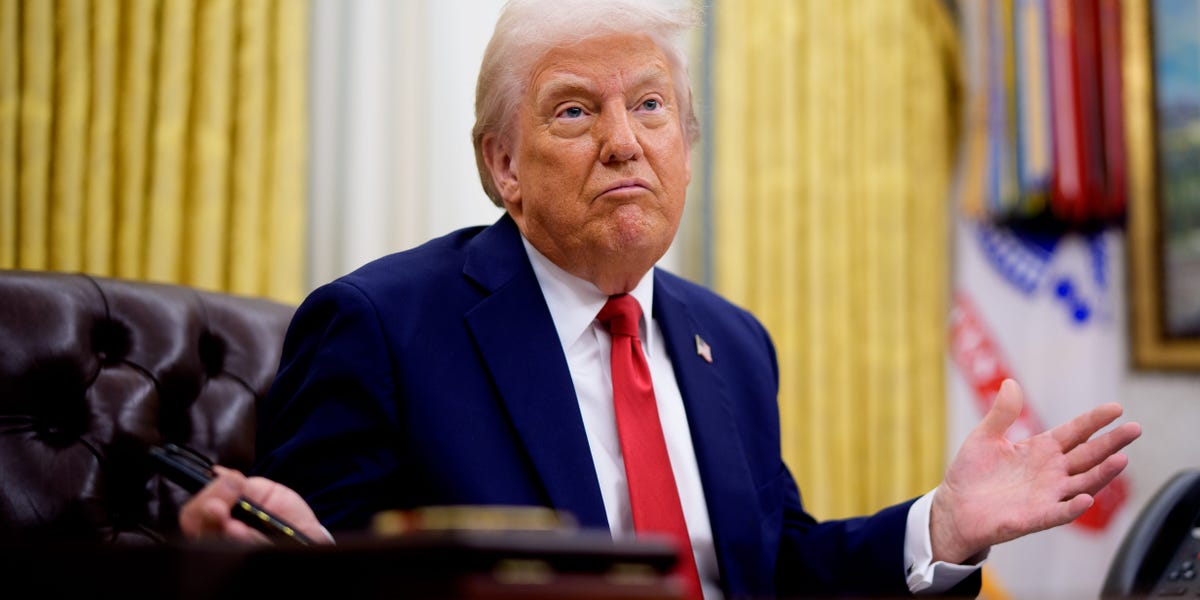
President Donald Trump’s relaxed stance on the weakening US dollar could undermine his central economic goal of reducing borrowing costs for Americans, according to market analysts. During a visit to Iowa this week, Trump told reporters the dollar was “doing great” and should “seek its own level,” comments that sent the currency tumbling to a four-year low. The president has previously praised a weaker dollar, suggesting it could boost American exports by making them more attractive to foreign buyers.
The US Dollar Index, which measures the greenback against a basket of major currencies, has declined approximately 10% over the past year. According to market observers, this decline stems from investors shifting away from dollar-based assets and the Federal Reserve’s ongoing rate-cutting cycle.
Why a Weak Dollar Could Threaten Trump’s Affordability Push
However, market professionals warn that a weaker dollar creates significant obstacles for Trump’s borrowing cost objectives. A declining currency reduces Americans’ purchasing power internationally and raises the cost of imported goods, potentially fueling inflation that could force interest rates higher rather than lower.
Joe Kalish, chief macro strategist at Ned Davis Research, described the collapsing dollar as potentially Trump’s “Achilles’ heel.” In a note to clients on Wednesday, Kalish warned that if a new Fed Chair attempts to cut rates as early as June, currency traders could “smell blood in the water and punish the dollar, sending inflation expectations higher and worsening household affordability.”
The Bond Market Connection
Additionally, the weak dollar is linked to the “Sell America” trade, where investors are moving away from US assets due to concerns about the economic outlook. This shift includes selling US bonds, which would drive yields higher and further complicate Trump’s affordability agenda.
Kalish noted that bond vigilantes could return and demand higher term premiums, forcing yields upward. The 10-year US Treasury yield, a key benchmark for lending rates, stood at approximately 4.24% on Thursday, rising two basis points this week as the US Dollar Index declined 0.6% over the same period.


Growing Concerns About Treasury Market Stability
Meanwhile, more forecasters are flagging the risk of higher yields resulting from potential bond market volatility. Nela Richardson, chief economist at ADP, warned that a weaker dollar could hinder the US government’s ability to sell Treasury bonds effectively.
Richardson characterized the situation as a “double-edged sword” for Trump’s economic agenda. She emphasized that market confidence becomes crucial when considering other challenges facing the US economy, including persistent inflation and high deficits and debts.
In contrast to Trump’s casual approach, Robert Kaplan, vice chairman at Goldman Sachs, stressed the importance of dollar stability for US debt management. Kaplan pointed out that with the United States carrying $39 trillion in debt heading toward $40 trillion, the country needs a stable currency to successfully sell long-term Treasury bonds.
The Inflation-Interest Rate Dilemma
The weak dollar presents what Kalish called a “lose-lose” situation for lowering interest rates, even if Trump were to install a trusted ally as Federal Reserve Chair. Currency depreciation could trigger inflation concerns that override any attempts to reduce borrowing costs through monetary policy.
Furthermore, the combination of a declining dollar and potential bond market unrest creates competing pressures on interest rates. While Trump advocates for lower rates to improve affordability, currency weakness threatens to push rates higher through inflation expectations and reduced foreign demand for US debt.
Market observers continue to monitor whether the administration will adjust its stance on dollar weakness as tensions between currency policy and affordability goals become more apparent. The timing and direction of any policy shift remain uncertain as economic data and market reactions continue to evolve.


