

 9:17 am - March 23, 2026
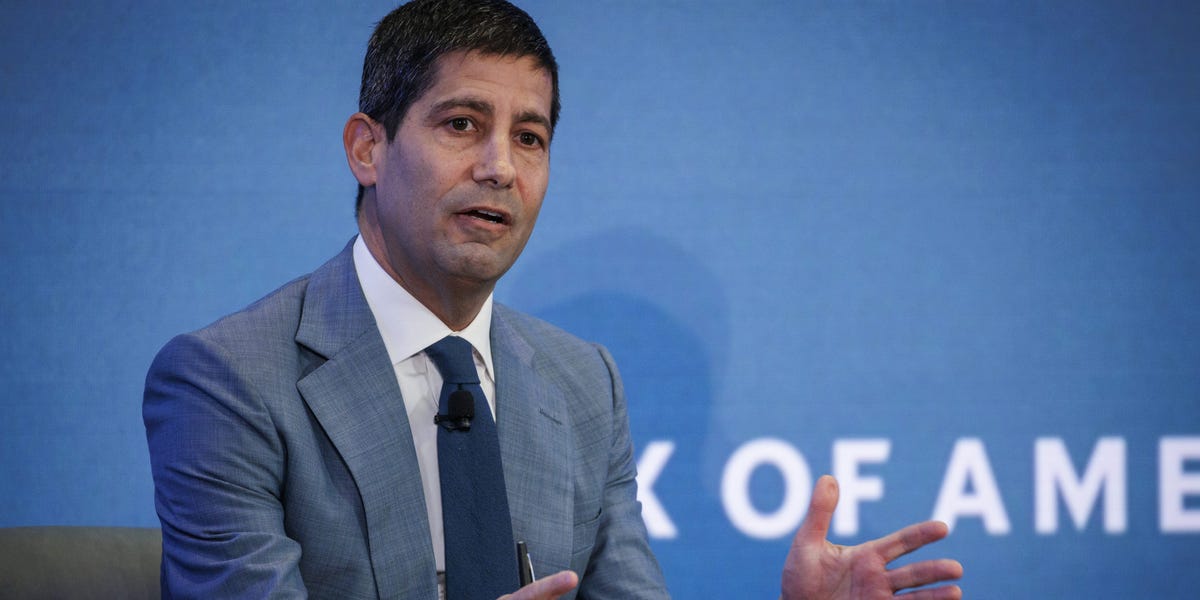
President Donald Trump has nominated Kevin Warsh to serve as the next Federal Reserve Chair, setting the stage for a leadership transition at the nation’s central bank. The announcement sparked immediate market reactions on Friday, with investors selling off stocks, gold, and silver as they assessed the implications of the Federal Reserve Chair nomination for future monetary policy.
Warsh, who previously served on the Fed’s board of governors from 2006 to 2011, is expected to assume the position in May pending Senate confirmation. His nomination represents a significant shift in leadership at the central bank, which has been led by current Chair Jerome Powell.
Market Uncertainty Surrounds Federal Reserve Chair Nomination
The selection came as a surprise to many market participants, largely because Warsh has historically advocated for hawkish monetary policy despite Trump’s public preference for faster interest rate cuts. However, Warsh’s recent dovish pivot in November 2024, when he began arguing for rate cuts, has raised questions about his true policy inclinations once he assumes office.
According to Samuel Tombs, chief US economist at Pantheon Macroeconomics, Warsh likely indicated support for reducing interest rates to secure the nomination. Nevertheless, Tombs suggested that Warsh’s hawkish instincts might resurface after securing the chairmanship, particularly given his track record during the global financial crisis and his criticism of monetary stimulus during the COVID-19 pandemic.
Historical Record Suggests Hawkish Tendencies
Minutes from Federal Open Markets Committee meetings during Warsh’s previous tenure reveal a consistent focus on inflation control over employment maximization during times of crisis. This historical pattern has led some economists to believe he may prioritize hitting the Fed’s 2% inflation target rather than continuing to accommodate the president’s preferences for lower rates.
Additionally, experts note that in an environment of persistent near-3% inflation, Warsh may be more concerned with his historical legacy than with following presidential directives. This could create tension between the White House and the central bank if economic conditions remain challenging.


Fed Independence Remains a Priority
Despite Trump’s frequent complaints about interest rate policy, the nomination of Warsh over other candidates suggests recognition of the importance of Federal Reserve independence. Jason Pride, Chief of Investment Strategy and Research at Glenmede, noted that choosing Warsh instead of Kevin Hassett, who is closer to Trump’s inner circle, signals awareness of the need for central bank autonomy.
Meanwhile, the selection appears designed to balance Trump’s desire for influence over monetary policy with market expectations for an independent Federal Reserve Chair. Pride indicated that while Warsh may lean more toward rate cuts than Powell, he is likely to be perceived as expressing his own judgment rather than simply following presidential orders.
Implications for Growth Stocks and AI Investments
In contrast to the accommodative monetary policy that has supported speculative investments in recent years, a hawkish Fed under Warsh could significantly impact high-growth sectors. Mark Malek, CIO at Siebert Financial, warned that tighter monetary policy could particularly affect the artificial intelligence trade and technology stocks.
Lower interest rates have historically fueled investments in speculative assets, as evidenced by the frenzy in stocks and cryptocurrency during the pandemic era of near-zero rates. That bubble burst in 2022 when rates increased, and market participants now face similar concerns about current valuations in the AI sector.
According to Malek, tighter liquidity conditions would accelerate the filtering process in AI and technology, exposing companies with genuine business models versus those riding the hype wave. He suggested that restrictive monetary policy could deflate the AI bubble before it fully inflates, potentially preventing a more catastrophic crash later.
The Senate confirmation process for Warsh is expected to begin in the coming weeks, though the exact timeline remains uncertain. How Warsh will ultimately lead the 12-member Federal Open Markets Committee and navigate the competing pressures of presidential preferences and inflation concerns will become clearer once hearings commence.


