

 10:45 am - March 23, 2026
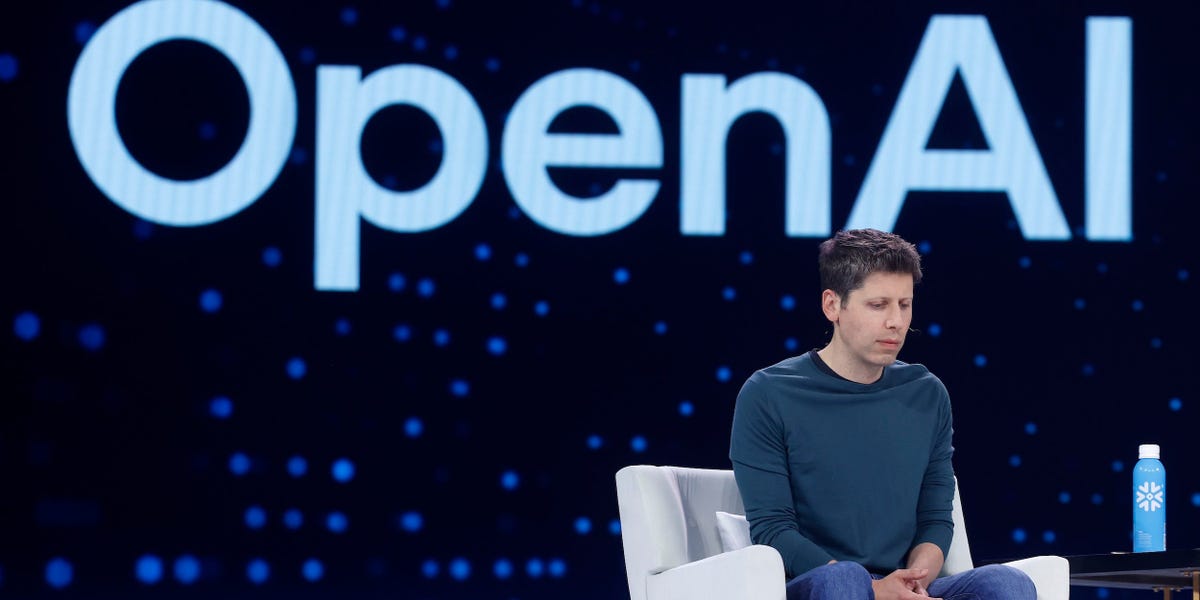
Investors eager to buy shares in private tech giants like OpenAI, Anthropic, and SpaceX may face unexpected consequences when these companies go public in 2026, according to asset management firm GMO. The anticipated wave of mega IPOs could put downward pressure on the broader stock market later this year, research from the firm suggests.
GMO, led by legendary investor Jeremy Grantham, warns that the influx of new shares from these high-profile tech IPO listings could trigger market turbulence. The firm’s analysis indicates that at least two of the three private tech giants are likely to debut on public markets in 2026.
How Tech IPOs Impact Market Dynamics
According to Ben Inker, GMO’s co-head of asset allocation, stocks follow the same supply and demand principles as any other asset. When substantial new share supply enters the market without corresponding demand increases, prices typically decline. Additionally, these mega IPOs could trigger outflows from the S&P 500 as investors reallocate capital to purchase shares in the newly public companies.
Inker stated in a report last month that 2026 is expected to see IPO excitement at levels not witnessed in recent years. However, he cautioned that this enthusiasm may come at a cost to existing market participants.
Historical Patterns Suggest Pressure Ahead
GMO’s research reveals a concerning historical pattern regarding tech IPOs and market performance. According to the firm’s analysis, each 1% increase in market capitalization through IPO activity eventually leads to approximately a 7.5% decrease in overall stock market prices. Meanwhile, the firm acknowledges that markets may initially rise following these public offerings.
The longer-term outlook is less optimistic, according to Inker. As more stockholders gain the ability to monetize their holdings following IPO lock-up period expirations, additional selling pressure will likely challenge the U.S. market.


GMO Maintains Skeptical Stance on AI Stocks
The asset management firm has consistently expressed skepticism about the artificial intelligence trade over recent years. In contrast to Wall Street consensus, Inker told Business Insider in December that the S&P 500 is positioned for negative returns in 2026. This projection stands well outside mainstream forecasts from other major financial institutions.
The firm cited an anticipated rotation away from the market’s largest AI-focused companies as a key factor. Furthermore, GMO identified alternative investment opportunities in Japanese small-cap stocks and European value stocks for investors seeking better risk-adjusted returns.
Supply and Demand Imbalance Concerns
The fundamental concern centers on market capacity to absorb significant new share issuance. Since companies like OpenAI, Anthropic, and SpaceX will not immediately join the S&P 500 upon listing, investors may need to sell existing index holdings to fund purchases in these new offerings. This dynamic could create selling pressure on established benchmark components.
Additionally, the excitement surrounding these tech IPOs may obscure the mechanical impact of billions of dollars in new equity entering circulation. The asset management firm suggests that historical precedent supports caution rather than euphoria as these private companies transition to public markets.
Market participants await official IPO announcements from the three tech giants, though specific timing and details remain unconfirmed. The actual market impact will likely depend on factors including final valuations, share float sizes, and overall investor demand conditions later this year.


