

 9:20 am - March 23, 2026
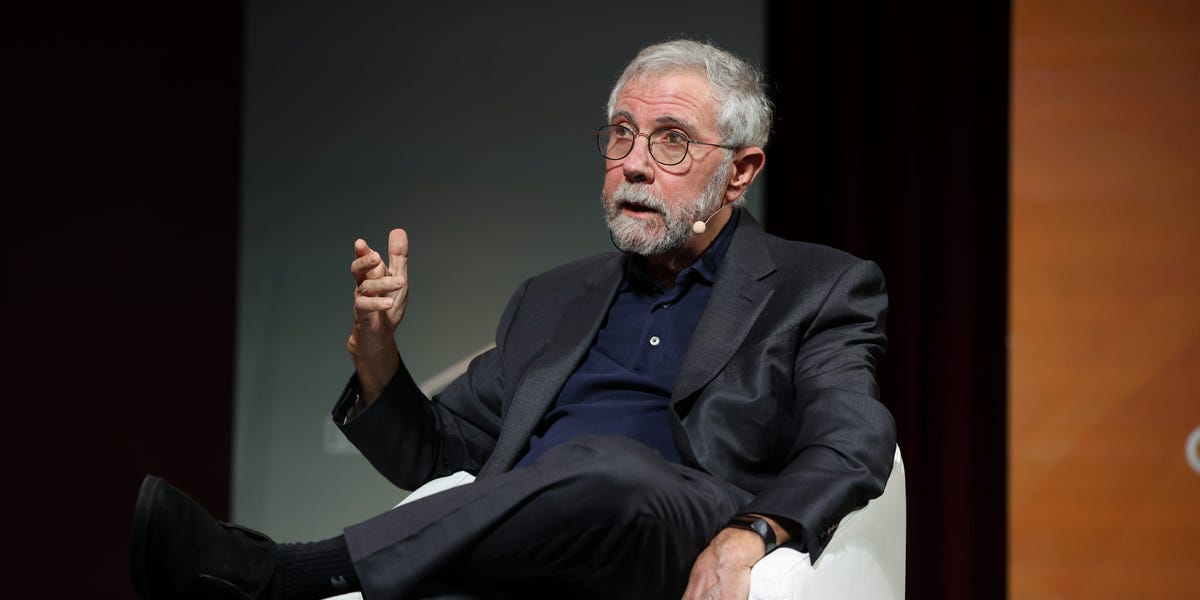
Nobel Prize-winning economist Paul Krugman has warned that Americans will bear the heaviest burden of chaotic US trade policy under the Trump administration. In a recent Substack post, Krugman argued that aggressive negotiating tactics and unpredictable tariff measures are creating global instability that will ultimately harm American consumers and the broader economy.
The economist’s concerns center on what he describes as an “economic divorce” between the United States and its traditional trading partners. According to Krugman, Trump’s approach to international trade—characterized by tariffs used as negotiating leverage—is pushing other nations to strengthen relationships with each other while reducing their dependence on the American market.
Understanding the Impact of US Trade Policy
Krugman is not alone in raising alarms about the current direction of US trade policy. Moody’s Analytics chief economist Mark Zandi has predicted that tariffs could push the United States into a recession. Additionally, hedge fund billionaire Ray Dalio recently speculated that these measures could trigger capital wars on a global scale.
The economist presented data showing that other nations increasingly value access to the European Union more than access to the United States. His analysis of World Bank data reveals that countries sell less than 5 percent of their total output to the US on average, excluding Canada and Mexico. However, that figure doubles when calculated for the EU, meaning twice as much global output is sold to European markets as to American ones.
Consumer Costs and Economic Consequences
A recent German study found that American consumers are being forced to shoulder almost the entire cost of Trump’s tariffs. Krugman believes this financial burden will only increase as the administration continues using tariffs as a negotiating tool. Despite recent political focus on affordability, these trade maneuvers are expected to further strain household budgets.
“Now US economic relations with other nations have turned abusive, and the world is moving toward divorce,” Krugman stated in his analysis. “And this will make Americans measurably poorer.”


Global Trade Realignment Away from US Markets
The shift in global trade patterns is already becoming visible. Countries are actively pursuing trade agreements that exclude or minimize American involvement. Krugman cited India’s recent free trade deal with the European Union as a prime example of this trend.
“Unlike Donald Trump, who thinks of international trade as a zero-sum game, the Europeans and the Indians understand that a free trade agreement between them is a very good deal for both parties,” the economist explained. This represents a fundamental difference in trade philosophy that is reshaping international economic relationships.
Meanwhile, other economic experts continue to voice similar concerns about trade policy direction. The consensus among many economists is that the current approach prioritizes short-term negotiating tactics over long-term economic stability and American competitiveness in global markets.
Secondary Keywords and Related Concerns
In contrast to traditional trade agreements that focus on mutual benefits, the current US trade policy approach emphasizes bilateral deals and tariff threats. This strategy may yield some immediate concessions but risks longer-term isolation from expanding global trade networks. The economic implications extend beyond immediate consumer prices to include potential supply chain disruptions and reduced American influence in setting international trade standards.
The trajectory of US trade policy remains uncertain as other nations continue forging new economic partnerships. Whether the administration will adjust its approach or maintain its current strategy of tariff-based negotiations remains to be seen, though economists like Krugman warn that the costs to American consumers and businesses will likely continue mounting in the meantime.


