

 10:49 am - March 27, 2026
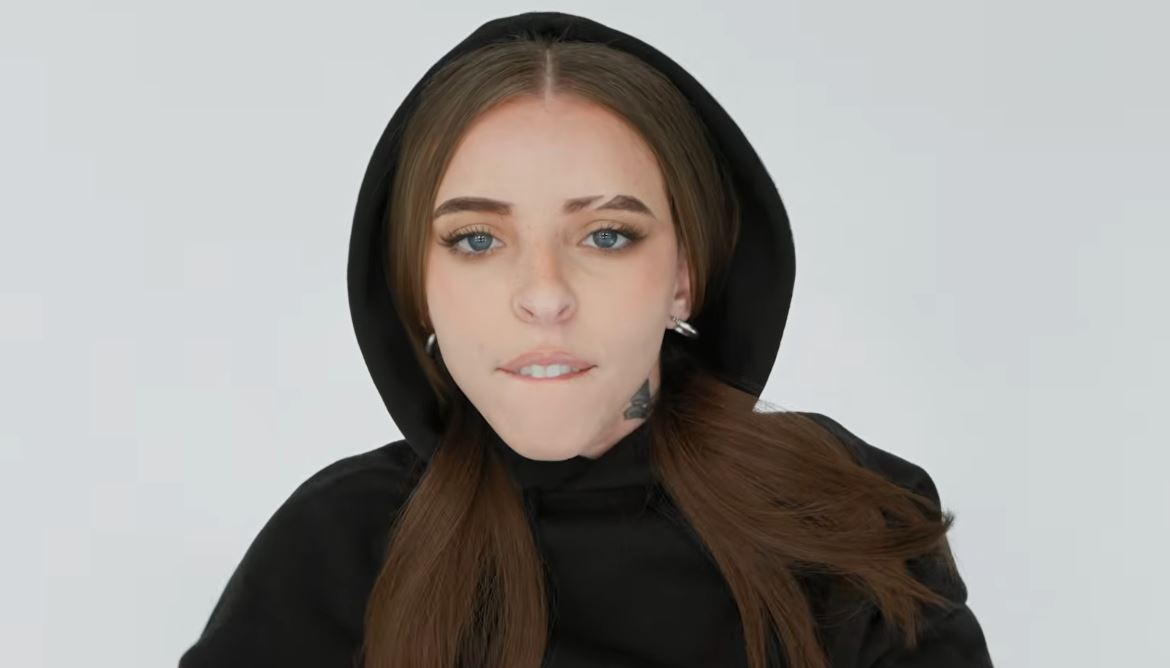
During a Rolling Stone cover interview in 2023, Bad Bunny was asked which musicians he believed to be the future of music. Young Miko was the first name he said. He referred to her as one of the new faces that were emerging and stated that he thought she had a lot to show and hadn’t yet unveiled all of her tricks. The video went viral. A fan tagged Young Miko, who saw it. She became terrified. After that, she resumed her work.
The cosign from the world’s biggest Latin artist, delivered casually and as though it were obvious, captures a significant aspect of Young Miko’s trajectory. Her ascent hasn’t been produced by algorithmic optimization or designed by a label machine. It has been constructed from a very particular blend of unadulterated talent and an almost uncomfortable sense of self. Growing up in Puerto Rico, María Victoria Ramírez de Arellano Cardona worked as a tattoo artist, saved money from clients to pay for studio time, and quietly amassed a following that grew before the industry realized what it was looking at.
| Category | Details |
|---|---|
| Full Name | María Victoria Ramírez de Arellano Cardona |
| Stage Name | Young Miko |
| Born | November 8, 1997 (age 28) |
| Origin | Puerto Rico |
| Genre | Latin trap, reggaeton, Latin pop, hip-hop |
| Debut EP | Trap Kitty (2022) |
| Debut Studio Album | Att. (2024) |
| Second Studio Album | Do Not Disturb (2025) |
| Notable Collaborations | Bad Bunny (“FINA”), Feid (“Classy 101”), Karol G, J Balvin, Skrillex (“Duro”) |
| Major Milestones | Coachella 2024, Billie Eilish tour opener, Super Bowl LX Halftime Show, Billboard Hot 100 |
| Grammy Nomination | Yes (Grammy-nominated artist) |
| Gap Campaign | Featured in Gap’s “Sweats Like This” campaign; appeared in music video for “WASSUP” |
| Instagram Following | 8.1 million followers (@itsyoungmiko) |
| Identity | Openly gay; self-described “gold star lesbian” |
| Before Music | Worked as a tattoo artist in Puerto Rico, using earnings to fund studio time |
| Reference Website | Young Miko Official Site |
The voice was established in 2022 with the release of the debut EP Trap Kitty, which featured languid, confident Spanish bars about self-love, late nights, and a confidence in her own gayness that Latin trap hadn’t really made room for before. Feid’s “Classy 101” became a real hit. In 2024, she gave a Coachella performance and dropped her debut album, Att., which confirmed everything the early fans had suspected. It made a chart. It made a connection. Additionally, she felt as though she had already earned the cover story she received that spring, which was her own digital cover for the Future of Music issue of Rolling Stone.
What followed was more of an acceleration than a breakthrough. In addition to putting Young Miko in front of sizable audiences who might not have otherwise discovered her, Billie Eilish’s invitation to open the U.S. leg of her Hit Me Hard and Soft tour amounted to one queer artist publicly endorsing another in the most visible way possible. The “FINA” collaboration with Bad Bunny had already established a connection between her and his fan bases. Then came the 2025 album Do Not Disturb, the appearances at Governors Ball and Lollapalooza, the two sold-out nights at El Choli, the Puerto Rico Coliseum, and the Super Bowl LX Halftime Show, where she performed with Cardi B and Pedro Pascal. The “Sweats Like This” advertisement from the Gap campaign felt perfectly tailored to the cultural moment she was in: cool, cozy, a little surprising, and entirely her own.
In interviews, she described what it was like to sell out El Choli, recalling the studio she and her friends used to cram into, where there wasn’t enough space, and how they would pool their money to order pizza. “Suddenly, we’re commanding the hallways of this huge venue,” she told Rolling Stone. That memory has no impact. It sounds like someone who still finds life’s maths a little difficult to comprehend.
The March 2026 Cosmopolitan cover made a statement of its own. In the interview, she referred to herself as a “gold star lesbian” without hesitation and discussed her identity in terms that felt settled rather than declarative. She has been openly queer since the beginning, and the audience found her in part because of this openness rather than in spite of it. She described how her mother pulled her out of the closet before she had fully made the decision to do so, how her family initially struggled to accept her, and the therapy they underwent together. “I was lucky to have parents who decided that their love for me was bigger than anything they didn’t understand,” she stated. It’s the kind of statement that has weight because it was difficult to make.


Her collaboration with Skrillex, “Duro,” which has been circulating in live sets since Lollapalooza 2024 and made its debut at Ultra Music Festival 2025, was finally released earlier this week. For more than a year, the song had existed as a fan-recorded phone clip, a whispered ID that people were eager to hold. It was already surrounded by a year’s worth of mythology when it touched down through OWSLA/Atlantic. Usually, that kind of expectation is manufactured. In this instance, it was simply the inevitable outcome of two musicians whose sounds blended together in a way that made sense right away.
Something about the way she discusses everything is difficult to ignore. She doesn’t sound like a career manager. She sounds like someone who still enjoys creating music and is a little taken aback that the world has discovered what her friends in that small studio in Puerto Rico already knew. “I’m hungry to keep growing,” she declared. That appetite seems more than adequate in light of the last three years’ pace.


