

 10:41 am - March 26, 2026
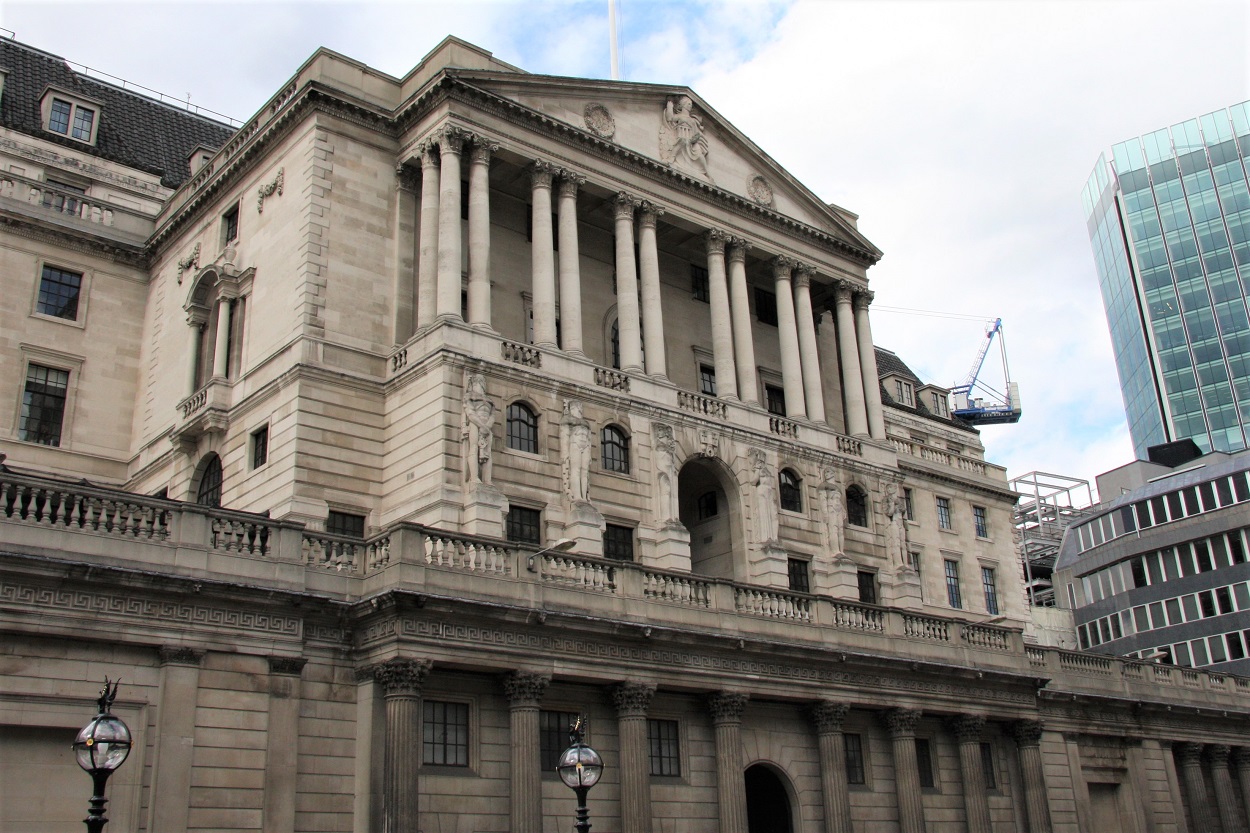
The Bank of London PRA fine landed Tuesday at £2 million after Britain’s Prudential Regulation Authority found the clearing bank and its parent company, Oplyse Holdings, had misled regulators about their financial position and failed to conduct their business with integrity. The PRA called it a first: never before had it penalised a firm specifically for failing to act with integrity. That distinction matters more than the number.
And the number needs unpacking. The Prudential Regulation Authority originally put the penalty at £12 million. It cut that to £2 million only after the companies demonstrated that paying the full amount would cause serious financial hardship. That’s a significant concession from a regulator that doesn’t usually do discounts. It also tells you something about where this bank is right now.
The Bank of London PRA Fine: A First for UK Banking Regulation
The Bank of London PRA fine covers a period running from October 2021 through May 2024. According to the PRA, during that stretch the bank misled the watchdog about its capital position, failed to be open and cooperative, and did not maintain adequate financial resources. Four separate failures, three years, one finding that the regulator had never formally made against a UK firm before.
Sam Woods, deputy governor for prudential regulation at the Bank of England and chief executive of the PRA, was direct: “Trust in banking in the UK requires integrity and open communication with the PRA from all banks, regardless of their size. The Bank of London Group Limited and Oplyse Holdings Limited fell well below our standards.”


That phrasing, “fell well below,” is regulator-speak for serious. Woods doesn’t hand out those words lightly.
From Billion-Dollar Valuation to £24 Million in Losses
The backstory makes this hit harder. The Bank of London launched in 2021 with an initial valuation of $1.1 billion. A unicorn, by the startup world’s definition. Less than four years later, its latest accounts show losses reaching almost £24 million in 2024, widening from prior years. That’s the trajectory that explains why the PRA agreed to reduce the Bank of London PRA fine from £12 million to £2 million. You can’t extract blood from a stone.
The bank’s current bosses were quick to note that the breaches occurred under previous ownership and management. The firm’s spokesman said the bank “accepts the PRA’s findings and regrets the failings identified” and pointed to a comprehensive remediation programme underway since the change in ownership. New management, new processes, third-party consultants brought in to fix controls. The full package.
That the Bank of London PRA fine came down so sharply from the original figure suggests the regulator took that remediation work into account. The PRA is not in the business of pushing firms into insolvency. But the finding itself, that a UK-chartered bank deliberately misled its primary regulator about its capital position, is not something that gets quietly filed away.
What Misleading a Regulator Actually Means
For anyone outside financial regulation, it’s worth explaining what a capital position breach actually involves. Banks are required to hold enough capital to absorb losses without becoming a threat to depositors or the broader financial system. Misrepresenting that position to the PRA doesn’t just break a rule. It undermines the entire supervisory framework that regulators depend on to assess systemic risk. The FCA’s conduct rules and the PRA’s parallel standards both rest on the assumption that firms tell the truth about where they stand. When they don’t, regulators are flying blind.
Context around the Bank of London PRA fine matters here: this is a clearing bank, not a consumer lender. Clearing institutions sit at the plumbing level of financial markets, processing transactions between other banks. The potential for contagion if one fails disorderly is real. That’s partly why the PRA watches capital positions so closely in this segment, and why misleading the watchdog on that specific metric drew the first-ever integrity finding.
Former Labour grandee Peter Mandelson served on the group’s board until 2024, though the PRA’s findings focus on the institution, not individuals. The Companies House filings for The Bank of London Group track the ownership and governance changes the firm references in its public statements.
The Road Back, and What It Requires
The bank’s spokesman said leadership is “confident” the firm will return to growth in 2026, with legacy matters now settled and investor backing in place. That confidence is not irrational: regulators generally prefer rehabilitation over closure, and a completed remediation programme, if the PRA agrees it holds, removes the cloud that’s hung over the institution.
But returning to growth after losses of this scale, at a clearing bank with a damaged regulatory record, is not a short road. The PRA’s final notice for this case will remain public. Every counterparty, every potential corporate client, every correspondent bank the firm needs to build relationships with can read exactly what the regulator found.
The Bank of London PRA fine is settled. The reputational work is just starting.