

 5:46 pm - March 24, 2026
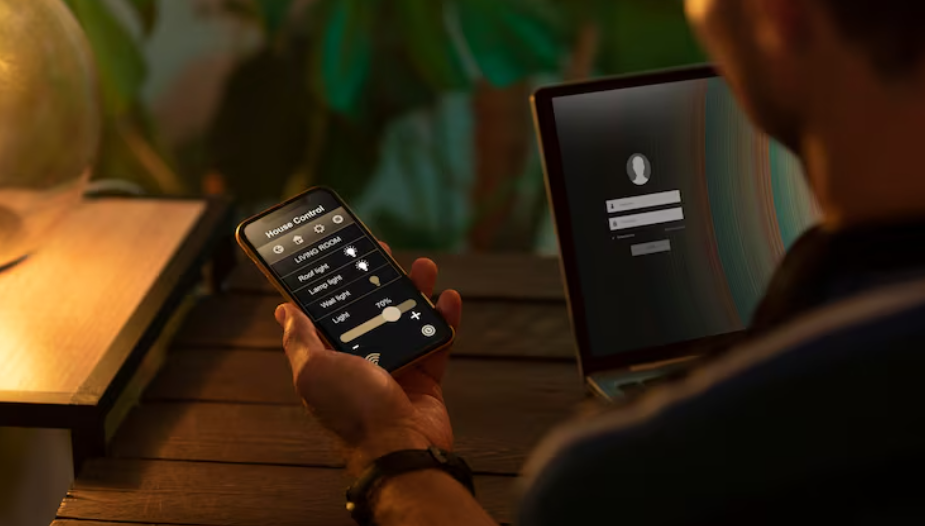
The phone is left face down on a wooden table, gathering dust and faint fingerprints. Three days go by. No late-night scrolling, no swipes, no taps. Then it reboots itself silently, almost defensively, locking everything down once more as though preparing for an intrusion. Even though the behavior change is slight and nearly undetectable, it seems like something more profound is changing.
A feature that requires a restart after 72 hours of inactivity is included in Google’s most recent update for Android devices. It sounds easy. Perhaps even insignificant. However, given how phones are acting these days—resetting themselves, requiring a passcode once more, and turning off biometrics—it’s difficult to avoid the impression that the password as we know it is being moved rather than replaced.
| Category | Details |
|---|---|
| Feature Name | Inactivity Auto-Reboot (72-hour lock reset) |
| Platform | Android (Google Play Services v25.14), iOS (18.1 similar feature) |
| Function | Automatically restarts device after 72 hours of inactivity |
| Security State | Returns device to “Before First Unlock” (BFU) |
| Key Impact | Disables biometrics, requires passcode entry |
| Purpose | Strengthen encryption and prevent unauthorized access |
| Industry Context | Increasing focus on device-level privacy and anti-forensics |
| Reference | https://9to5google.com |
The technical explanation is simple. A phone goes into a state known as “Before First Unlock” when it restarts. Everything is completely encrypted and securely hidden behind the passcode in this scenario. It becomes slightly more exposed but more usable once it is unlocked. The majority of people never consider this. Unaware that bits of information are still accessible in memory, they unlock their phones dozens of times every day. Security engineers may have been troubled by this tiny but genuine gap for years.
That dynamic is altered by the restart. Without requiring any action from the user, it resets the device into its safest position. No need to remind me. Not a word. After being idle for three days, just a quiet restart. That has a certain elegance, but there’s also a sense that the system is subtly regaining control.
It’s simple to understand how this might be important while strolling through a busy café. Phones are abandoned in taxis, left on tables, and forgotten in bags. The majority of people believe that their biometric lock—face or fingerprint—is sufficient. However, a device’s defenses become somewhat weaker once it has been unlocked, even if only momentarily. This is where sophisticated forensic tools—the kind that both law enforcement and hackers use—come into play. Although it’s still unclear if this new feature seriously interferes with those tools, it seems to complicate things just enough to be significant.
Similar changes were reportedly made to devices used in forensic investigations by Apple with iOS 18.1. That particular detail lingers. Quietly effective, but not overtly promoted or publicized. It feels more like convergence than coincidence to watch both ecosystems go in this direction. It appears that automated systems taking over are becoming more important to privacy than user behavior.


Additionally, there is a cultural event taking place here. Users were advised to make secure passwords, remember them, change them, and safeguard them for years. Then came biometrics, which were quicker, simpler, and nearly frictionless. Paradoxically, the system now periodically requires a return to the passcode, seemingly reminding users that convenience has its limits.
The tension in that design decision is difficult to ignore. Companies want easy access, on the one hand. Conversely, they are subtly promoting more traditional, safe practices. It’s a delicate balancing act, and the issue isn’t always fully resolved.
The feature feels almost remedial when talking to people who don’t turn off their phones for weeks or even months at a time. similar to a prod. Or perhaps a silent intervention. Regular restarts have long been advised by the National Security Agency to thwart some kinds of attacks. Not many people heeded that advice. The phone now does it for them.
However, all of this raises a subtle question. For whom is this actually intended? The scenario of the lost phone makes sense. A gadget that is left unused for days is frequently lost or stolen. It helps to lock it down more securely. However, it is more difficult to overlook the overlap with anti-forensic behavior. It portrays a world in which investigators encounter growing obstacles in addition to thieves. Maybe that’s the point. Or it might be an unexpected outcome.
As this develops, it seems like passwords aren’t going away at all. They are evolving into the final line of defense and the only system that still needs intentional human input. Everything else is being streamlined, automated, and optimized. However, the passcode is still stubbornly manual and nearly antiquated. And perhaps that’s the reason it remains.
It’s possible that phones will depend even less on users to handle their own security in the years to come. More automated resets. additional background safeguards. More covert defenses. However, it’s also possible that this subtle return to passcodes—caused by something as basic as inactivity—indicates a more profound reality.
Modern devices may be defined by their convenience. However, it appears that the system still relies primarily on the password when things go quiet, such as when a phone is left unattended for days.