

 5:43 pm - March 24, 2026
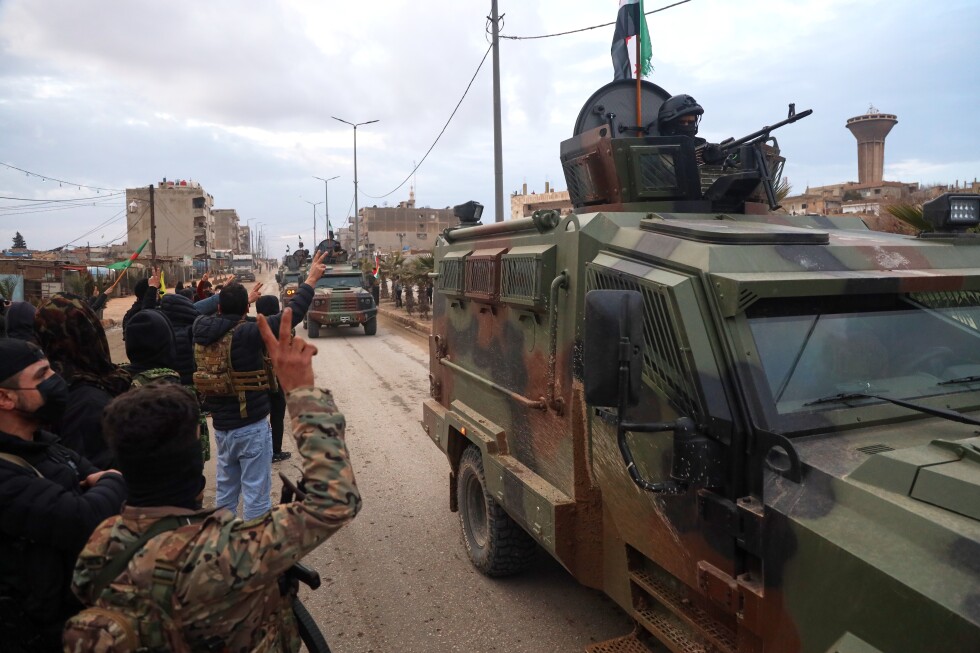
Syrian Interior Ministry security forces continued their deployment in Kurdish-dominated areas of northeastern Syria on Tuesday, marking the second day of implementation of a landmark agreement between Damascus and the Kurdish-led Syrian Democratic Forces. The Syrian government deployment in northeastern Syria includes cities in al-Hasakah province, where security forces entered the Kurdish-majority city of Qamishli following their arrival in the provincial capital on Monday.
According to the agreement, small contingents of security forces reporting to the Interior Ministry will enter Kurdish-majority areas with a limited mandate. Their responsibilities include securing state-affiliated institutions such as civil registry offices, passport departments, and the airport, with the goal of restarting operations at these facilities.
Security Measures and Deployment Details
Security was visibly tightened on Amuda Street, the main road leading into Qamishli, ahead of the government forces’ arrival. Streets remained largely empty as the SDF imposed a curfew, with shops shuttered and heavily armed SDF personnel and local Kurdish security forces positioned across major roads and intersections.
The spokesperson for the Syrian Interior Ministry, Nour al-Din al-Baba, confirmed the coordinated nature of the operation. “We are coordinating with the other side inside Qamishli for our forces to deploy inside the city,” al-Baba said, adding that the deployment follows a specific program and time frame.
However, Kurdish security forces emphasized they retain control over security in the city. Samer Ahmad, a member of the local Kurdish security forces, told reporters that all necessary measures have been taken and forces are ready to confront potential threats.
Broader Agreement Includes Key Infrastructure
The Interior Ministry spokesperson outlined additional objectives beyond the initial deployment. “There is a program and a time frame to finalize all of the deal’s clauses, among them is taking over the vital facilities, including the crossings, the Qamishli airport and oil facilities, managing them and making them operational in the service of the Syrian people,” al-Baba stated.


Additionally, Ahmad indicated the government presence would be temporary. “The incoming forces will be deployed at four points in the city of Qamishli, and their presence here will be temporary. God willing, in the coming period, once integration is completed, they will withdraw,” he explained.
Mixed Reactions to Syrian Government Deployment
Meanwhile, before arriving in Qamishli, security force convoys entered Tell Brak, east of Hasakah, where they received a warm welcome from residents. Crowds lined the roads waving Syrian flags and cheering, with some firing celebratory gunfire into the air while women ululated.
Adel al-Ahmad, among those welcoming the convoy, expressed hope that the Syrian army would assume full control. In contrast, many Kurdish communities harbor concerns about potential reprisals from government-affiliated fighters, fears heightened by widespread sectarian violence that erupted across Syria in 2025.
Tensions Between Arab and Kurdish Communities
Arab residents in SDF-controlled areas have long complained of political and economic marginalization under Kurdish-led administration. Wissam al-Motlak, another spectator at the convoy’s arrival, expressed satisfaction with the security forces’ entry into the region.
However, the Kurdish forces’ visible deployment alongside government forces suggests ongoing negotiations about power-sharing arrangements. Yellow flags of the Kurdish People’s Protection Units were seen alongside Syrian flags, while several women were among the forces deployed, including fighters with covered faces.
The phased implementation of the agreement is expected to continue in the coming weeks, though authorities have not confirmed specific deadlines for the transfer of control over airports, border crossings, and oil facilities. The success of the integration process and the eventual withdrawal timeline remain uncertain as both sides navigate the delicate balance between Kurdish autonomy and central government authority.


