

 5:44 pm - March 24, 2026
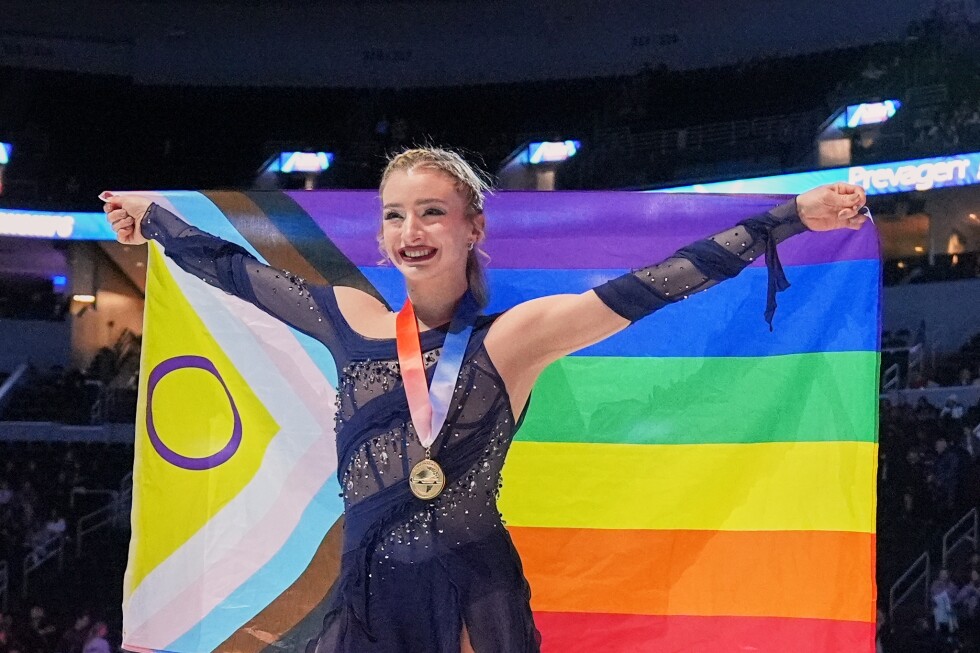
Figure skating continues to serve as a prominent safe space for LGBTQ+ athletes, with three-time U.S. champion Amber Glenn emerging as one of the most visible openly queer figure skaters heading into the Milan Cortina Olympics. When Glenn, who identifies as pansexual, performed at the world championships in Boston, fans waved both American flags and rainbow pride flags throughout the sold-out TD Garden venue, according to an interview with The Associated Press.
The 26-year-old Texas native has become an unintentional icon within the queer community, carrying a rainbow flag across her shoulders during her national championship celebration. Glenn told the AP she never sought to be a spokesperson but expressed gratitude for growing up in a sport that has historically embraced LGBTQ+ athletes and professionals.
Figure Skating’s Progressive History
The sport has provided what Glenn described as a progressive safe space for decades, though this acceptance developed gradually. Throughout most of the 1900s and into the 1990s, women were encouraged to be more effeminate while male skaters were told to embrace traditional masculinity, as looks and mannerisms directly influenced judging scores.
However, barriers began breaking down in 1996 when Rudy Galindo came out in a book released shortly before winning the U.S. championship. Three-time U.S. champion Johnny Weir later credited Galindo with giving him confidence to come out publicly in 2011, helping him embrace his authentic identity both on and off the ice.
Additionally, former Olympic champion Brian Boitano came out in 2013 after being selected for the U.S. delegation to the 2014 Sochi Winter Games. The Russian government faced international criticism at the time for anti-gay propaganda laws, and Boitano acknowledged to the AP that being chosen to represent his country prompted his decision despite being an intensely private person.
Olympic Success for LGBTQ+ Figure Skaters
What distinguishes figure skating from other sports is the remarkable success LGBTQ+ athletes have achieved at the highest competitive levels. In 2018, Adam Rippon became the first openly gay man to make the U.S. Olympic team and the first to capture a medal at the Winter Games, earning bronze in the team event.


Four years later at the Beijing Olympics, Timothy LeDuc made history as the first non-binary Olympic athlete while competing with Ashley Cain-Gribble in pairs. The two-time U.S. champion, who now coaches, told the AP that growing up in a conservative environment made seeing queer representation in figure skating essential for feeling comfortable.
Meanwhile, two-time Olympian Jason Brown came out via Instagram five years ago specifically to provide support for others who may feel uncomfortable. Brown expressed hope that his visibility could help the next generation of skaters, coaches, choreographers and fans feel safe and accepted within the sport.
Personal Journey to Acceptance
Glenn’s path to self-acceptance proved challenging, including time spent in a mental health facility working through depression, anxiety and an eating disorder. She came out publicly accidentally during an interview six years ago, initially panicking because she had not yet told her Catholic grandmother.
In contrast to her conservative Texas upbringing where she was homeschooled, Glenn discovered acceptance at figure skating competitions. Seeing top coaches and successful skaters who were openly LGBTQ+ helped her realize it was acceptable to be herself, she told the AP.
Current Political Climate
Glenn recalled watching television in November 2024 after winning her first elite-level Grand Prix event in France when Donald Trump won the presidential election. According to her interview with the AP, her heart sank thinking about implications for the LGBTQ+ community.
Two months later, the Trump administration signed an executive order defining sex in federal policy as a binary, biological concept unchangeable from birth. The administration has since rolled back protections in education, healthcare and housing, changes pitched as protecting women from what officials termed gender extremism.
Despite being raised by military grandfathers in Texas as a proud American, Glenn expressed feeling disheartened by these policy shifts. She told the AP the situation made her feel closer to the LGBTQ+ community as members came together for mutual protection and support.
As the Milan Cortina Olympics approach, uncertainty remains about how evolving political attitudes toward LGBTQ+ rights may impact athletes both domestically and internationally. Figure skating’s community continues emphasizing support and visibility for queer athletes navigating an increasingly complex landscape.


