

 5:49 pm - March 24, 2026
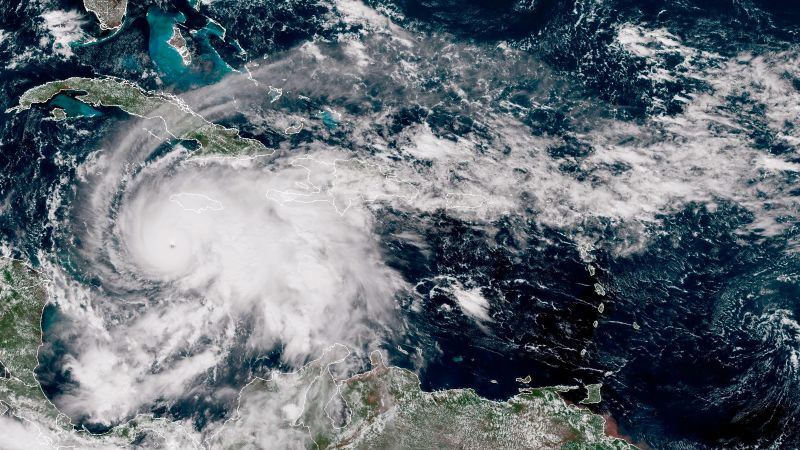
Congress is set to reject President Donald Trump’s proposed budget cuts to climate and weather research programs at the National Oceanic and Atmospheric Administration and NASA. The House has passed a funding bill that preserves scientific research at both agencies, and the Senate is expected to approve similar measures this week, according to reports.
The administration’s budget request sought to eliminate NOAA’s research laboratories, including facilities like the National Severe Storms Laboratory that work to improve weather forecast accuracy. Additionally, the proposal called for canceling multiple weather and climate satellite programs at both agencies, including missions already in operation.
Congressional Response to NOAA Budget Cuts
The bipartisan spending bill would maintain funding for NOAA’s Office of Oceanic and Atmospheric Research, which the administration proposed eliminating entirely due to its climate change portfolio. Congress is on track to approve $634 million for this office, compared to the budget proposal that had zeroed it out. This branch conducts critical climate change research and operates laboratories across the United States pursuing advanced weather and climate studies.
Neither NOAA nor NASA would see overall increases in funding under the congressional budget, but both agencies would avoid dramatic reductions. Scientists and activists had warned that the proposed cuts would have devastating effects on climate science, meteorology, and related fields of study domestically and internationally.
Protection for NASA Earth Science Programs
The Trump administration’s budget request called for a nearly 50% cut in spending for NASA’s science mission, including cancellation of several Earth-observing satellites. The congressional bill explicitly calls for maintaining NASA’s Goddard Institute for Space Studies, the agency’s top climate monitoring and computer modeling laboratory, which the administration sought to eliminate.
Congress would also instruct NASA to find a new location for the institute after the administration canceled its New York City lease last year and forced staff to work virtually. The bill provides roughly the same funding to NOAA as in 2025, at $6.17 billion, while cutting about 1% of NASA’s science program budget compared to 2025 levels.


Bipartisan Support for Weather and Climate Research
While presidents’ budget requests often face congressional pushback, the bipartisan support for NOAA and NASA’s weather and climate research is particularly noteworthy given how central these cuts were to the administration’s proposal. Senator Maria Cantwell, the ranking member on the Senate Commerce Committee, characterized the proposed reductions as “astounding.”
According to Senator Cantwell, Congress’s message is clear: “Don’t cut these forecasters. Don’t cut these key tools that are part of an emergency response system.” The bill would provide a slight increase in funding for the National Weather Service and require the administration to submit a staffing plan ensuring NOAA can carry out its core missions.
Staffing Concerns at Weather Agencies
These requirements stem from concerns over widespread vacancies at the National Weather Service and other parts of NOAA following layoffs and staff departures in the past year. Cuts to the NWS may have impeded accurate forecasting of a devastating storm that struck Alaska in October, according to reports.
Meanwhile, the Trump White House has consistently targeted climate change research for budget reductions while rolling back environmental regulations and ending participation in international climate agreements. Last week, the administration announced it would become the first country to exit the UN Framework Convention on Climate Change, the foundational agreement for annual UN climate talks.
Implementation Uncertainty Remains
Rick Spinrad, who headed NOAA during the Biden administration, said preventing the cuts is important but insufficient. “I’m glad Congress is providing a voice of reason, but real improvement in services will require more than just a stabilization to levels of past investments,” he said.
However, uncertainty remains about how the White House Office of Management and Budget will implement the congressional appropriations bills once passed and signed. This administration has previously held back money from federal science agencies that Congress had appropriated, and some agencies were told to begin implementing the President’s budget request rather than waiting for congressional action. Language in the appropriations bills would limit the White House’s ability to deviate from congressional spending directives without approval.


