

 11:55 am - March 16, 2026
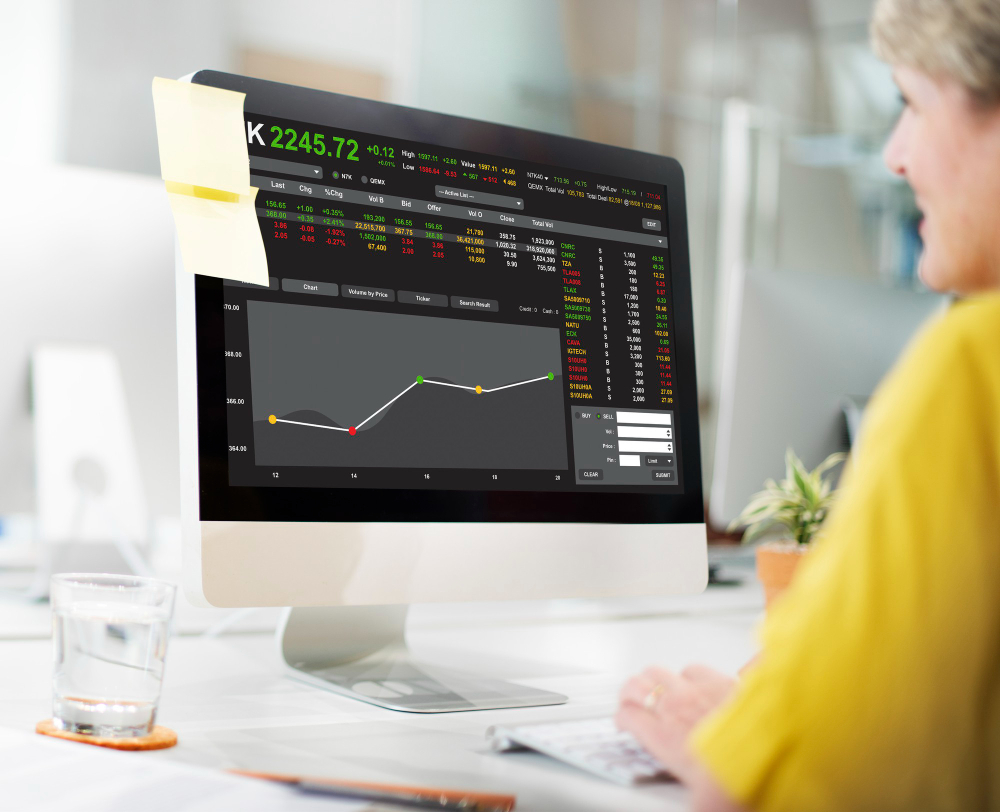
The mood of investors worldwide is already subtly reflected in the market before the New York Stock Exchange opens and before most people have finished their first cup of coffee. It’s not stocks. It’s not bonds. It’s erratic.
VIX futures in particular. VIX futures have been hovering around the mid-20s, or roughly between 24 and 25, on recent trading screens. This elevated level indicates that investors anticipate greater swings in the stock market in the future. The current numbers feel noticeably tense to traders used to calmer times when the VIX is around 12 or 15.
However, the significance of those figures is frequently misinterpreted. The VIX, also known as the “fear index,” tracks expectations for S&P 500 volatility based on options prices. VIX futures take things a step further. They enable traders to place wagers on potential future directions for that volatility.
| Category | Details |
|---|---|
| Financial Instrument | VIX Futures Contracts |
| Underlying Index | Cboe Volatility Index (VIX) |
| Exchange | Cboe Futures Exchange (CFE) |
| Current Approx. Futures Level | Around 24–25 (March 2026) |
| Contract Symbol | VX |
| Contract Size | $1,000 × VIX Index |
| Reference Website | https://www.cboe.com/tradable-products/vix/vix-futures |
This implies that people are actually exchanging anxiety-related predictions. The atmosphere surrounding volatility markets is frequently different from that of traditional stock trading when one walks through a contemporary trading office in Chicago or New York. There are more algorithmic dashboards silently monitoring correlations between options, interest rates, and geopolitical events than there are television screens yelling headlines.
Those who trade volatility are typically quieter. more critical. That makes sense. Probabilities, not narratives, are the foundation of the VIX market. Nevertheless, tales manage to infiltrate. The geopolitical tension surrounding the conflict between the United States and Iran has recently been a significant factor driving up volatility expectations. Investors are concerned about inflation, global expansion, and disruptions to the energy supply as a result of oil prices rising above $100 per barrel.
These worries almost instantly affect the volatility market. To put it simply, investors purchase options to safeguard their portfolios when they start to have doubts about the future of stocks. The VIX rises in tandem with the implied volatility contained in those options as demand for them rises.


It’s similar to watching a seismograph during an earthquake when you watch VIX futures move during these times. The first tremors are small ones. Then, every now and then, a sharp spike.
The stock market and VIX futures have an almost famous inverse relationship. Volatility typically increases when stocks decline rapidly. Dramatic market events like the 2008 financial crisis or the unexpected pandemic crash of 2020 made this pattern particularly evident.
The VIX shot up to levels above 60 or even 80 during those times, figures that traders still discuss with a mix of fascination and incredulity. Today’s readings of about 25 may seem modest in comparison to those extremes.
However, markets rarely hold off on acting until there is a panic. Investor behavior can be altered by even slight increases in volatility. Algorithmic trading systems recalculate exposure, portfolio managers hedge positions, and hedge funds modify risk models.
Ripple effects have the potential to spread swiftly. It’s difficult to ignore how significant the volatility market has become over the previous 20 years. Trading volumes were comparatively low when VIX futures were first introduced in 2004. Institutions now frequently use them to speculate on market volatility or to hedge portfolios.
Some traders even focus solely on volatility. The stock market is essentially unimportant to them. They concentrate on the rhythm of fear itself, including how quickly it manifests, how long it lasts, and whether it goes away sooner than anticipated.
Lately, that rhythm has been remarkably erratic. Investors are still cautious but not panicked, according to data from the volatility market. The expected volatility of futures contracts for the upcoming months is gradually declining, suggesting that traders think the uncertainty of today may lessen later in the year.
However, such forecasts are unreliable. A single unforeseen event, such as a sudden corporate collapse, an economic shock, or a geopolitical escalation, can cause volatility to spike once more. VIX futures frequently react before the general market fully comprehends what is happening because they track expectations.
They are appealing in part because of that initial response. Volatility futures can serve as insurance for portfolio managers overseeing sizable equity funds. If stock markets abruptly decline, holding a small position in VIX futures may help offset losses. However, those positions typically lose value gradually as volatility expectations decline during slower periods.
which results in an odd trade-off. When it’s quiet, you pay for protection. When chaos breaks out, you gain. That structure has an almost philosophical quality. In essence, the cost of uncertainty itself is priced by the VIX futures market. It’s evident that more than just volatility is being traded when you watch the charts move throughout the day, with numbers fluctuating between 24.3, 24.8, and 25.1. It’s the investors’ collective mindset.
Fear is growing. Confidence is coming back. Somewhere in between was doubt. Furthermore, although the stock market frequently makes headlines, the more subdued volatility market frequently offers a more nuanced picture of investors’ true emotions. Calm at times. Nervous at times. constantly anticipating the next move.


