

 1:11 pm - March 16, 2026
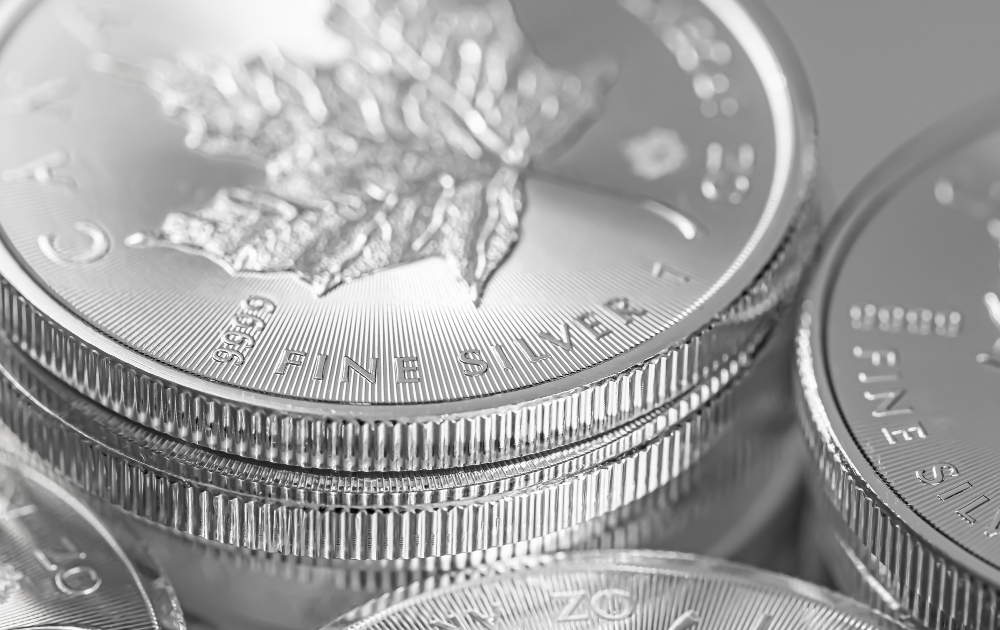
The silver price begins to move early in the morning, before the majority of coffee shops open, and long before the noise on the trading floor reaches its peak. Numbers flicker on screens in Sydney, Hong Kong, London, and New York. The market is never truly at rest. The price of silver is currently around $79 per ounce as of mid-March 2026, which is a startling drop from where it was trading a few years prior.
It’s like watching a restless heartbeat when you look at the chart over the past ten years.
Silver has always been an odd commodity. Silver has a more complicated life than gold, which frequently makes headlines due to its older reputation and greater symbolism. It is an industrial metal as well as a precious one. Because of its dual identity, its price responds to supply chains, factories, and solar farms operating across continents in addition to financial anxiety.
| Category | Details |
|---|---|
| Commodity | Silver (Precious Metal) |
| Current Approx. Spot Price | Around $79 per ounce (March 2026) |
| Market Exchanges | COMEX, London Bullion Market |
| Key Uses | Investment, electronics, solar panels, jewelry |
| Major Price Tracking Source | KITCO Precious Metals |
| Reference Website | https://www.kitco.com |
The metal has been steadily rising in recent months, albeit with sporadic hiccups. Sometimes the price drops by one or two dollars, usually when investors move to safer bonds or the US dollar appreciates. However, the image changes when you zoom out. Silver prices have increased significantly in just the last year, attracting the interest of traders who previously considered it to be the more subdued cousin of gold.
The silver market has a somewhat theatrical quality. Since silver is still a reasonably priced luxury for millions of consumers, small business owners in Mumbai’s jewelry district closely monitor daily price changes. While drinking green tea, analysts at Shanghai’s metals exchanges peruse commodity charts in an attempt to predict whether industrial demand will drive up prices. Additionally, hedge fund traders are covertly making leveraged bets on silver futures contracts somewhere in Toronto or London.
Many different reasons for the same metal. Demand from the renewable energy industry is one factor contributing to the recent surge in silver prices. Due to their conductive qualities, solar panels require large amounts of silver. The metal has subtly entered the narrative of the energy transition as solar installations grow globally, especially in China and the US.


This demand might increase even more quickly than many analysts anticipate. Silver, however, hardly ever travels in a straight line. Because it has a smaller market than gold, it is more erratic. Prices can change rapidly due to a significant institutional trade or an abrupt change in investor sentiment. The numbers jump every few seconds, so anyone watching the live spot charts can see that reality in real time.
Regarding what will happen next, investors appear to be divided. There are those who think silver still has potential. Many economies still worry about inflation, and when currencies decline, buyers are drawn to precious metals. Industrial demand, ranging from electronics to electric vehicles, is also thought to have the potential to further reduce supply.
Some sound more circumspect. Recent years have seen a gradual increase in silver mining production, and commodity booms often attract new supply to the market. The price may level off after its recent spike if mines increase production or recycling.
However, history indicates that silver seldom remains silent for very long. Over the past century, the metal has seen a number of significant price fluctuations. The Hunt brothers’ notorious attempt to corner the silver market in 1980 caused prices to momentarily rise above $50 per ounce before plummeting dramatically. Silver surged once more during the 2008 financial crisis, decades later, as anxious investors looked for tangible assets.
The market’s psychology is still affected by those incidents. In a bullion shop in the Midtown area of New York, rows of polished silver bars are displayed in glass cases under bright lights. The same question is frequently asked by customers: Is it too late to make a purchase? Usually, the dealer shrugs a little before responding. He says that silver is more erratic than most commodities.
Many investors believe that silver is in a unique middle ground. Copper represents the expansion of industry, whereas gold is the conventional store of wealth. Silver is a hybrid of two worlds. It increases as manufacturing grows, but it also draws individuals who are concerned about inflation or economic instability.
The market is alive because of this tension. Even though the current price of $79 per ounce is significantly higher than past averages, traders frequently discuss higher figures. If supply becomes more constrained or geopolitical tensions worsen, some predict triple-digit silver prices.
Whether those predictions are accurate or just the optimism that frequently emerges late in a commodity rally is still up for debate.
One thing becomes clear when you stand outside a small metals trading office close to Wall Street and watch delivery trucks arrive carrying sealed crates of bullion. Although silver has been used for thousands of years in jewelry and coins, the factors influencing its price feel distinctly contemporary.
demand for solar energy. changes in currency. trading using algorithms.
In the flicker of a live chart, everything collides.
And the price of silver will begin to move again tomorrow morning when the markets reopen somewhere in the world.


