

 7:54 pm - March 12, 2026
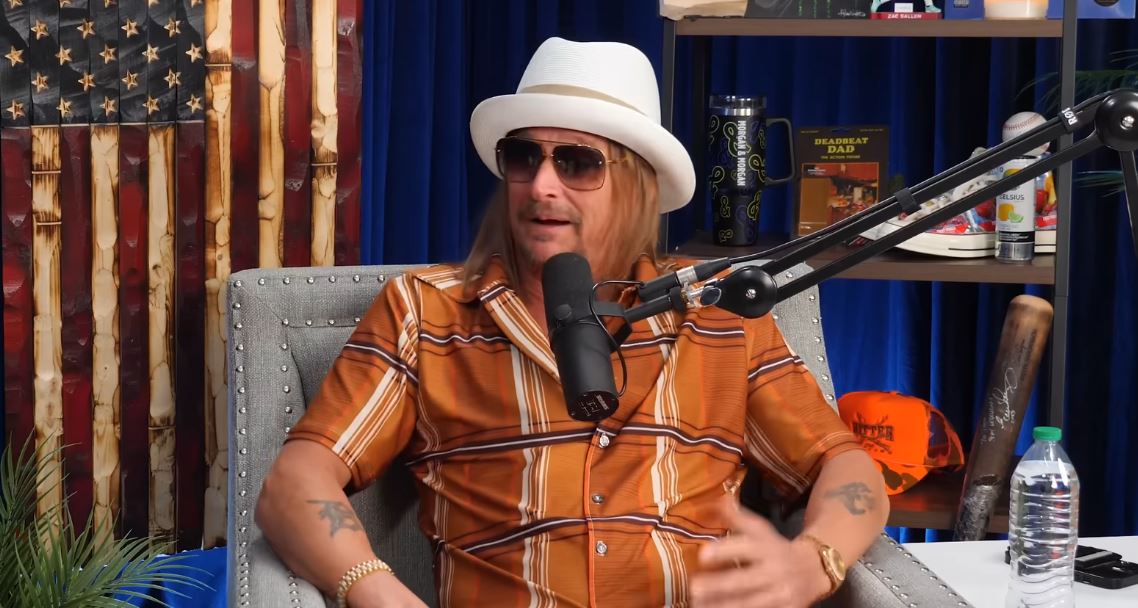
Kid Rock’s wealth story doesn’t start in a boisterous stadium crowd or a smoky Nashville bar. It starts in a peaceful suburb outside of Detroit, where Robert James Ritchie was raised on land big enough for horses and orchards. The surroundings seem to run counter to the outlaw persona he eventually developed. However, it turns out that a large portion of Kid Rock’s career is filled with contradictions.
According to a number of financial publications, his wealth is currently estimated to be around $150 million. There is more to that figure than just album sales. Decades of touring, a devoted fan base that continues to purchase tickets, and an unexpectedly pragmatic approach to business are all part of it. It seems that Ritchie has always had a deeper understanding of the economics of entertainment than many musicians do, based on the way his career has developed over the years.
| Category | Details |
|---|---|
| Full Name | Robert James Ritchie |
| Stage Name | Kid Rock |
| Date of Birth | January 17, 1971 |
| Birthplace | Romeo, Michigan, USA |
| Profession | Musician, Rapper, Producer, Entrepreneur |
| Estimated Net Worth | Around $150 million |
| Breakthrough Album | Devil Without a Cause (1998) |
| Total Album Sales | Over 50 million worldwide |
| Known For | Mixing rock, hip-hop, and country music |
| Reference | https://www.celebritynetworth.com |
Music came first, though not in the polished way many stars describe their early years. Detroit’s hip-hop scene was fierce, competitive, and boisterous in the late 1980s. While DJs carried equipment into tiny clubs that smelled slightly of cigarette smoke and spilled beer, teenagers practiced breakdancing in basements. Kid Rock quickly took in that vibe, learning how to DJ and rap while experimenting with beats.
Grits Sandwiches for Breakfast, his debut album, was released in 1990. For a brief moment, it appeared to be the beginning of something significant. He became one of Detroit’s more well-known rappers as a result of the record’s strong local sales. But at that point, fame is rarely steady. His label dropped him after a contentious song resulted in a radio fine, and the momentum quickly faded.
That experience might have influenced his later business acumen. Rather than going away, Kid Rock tirelessly toured throughout the mid-1990s, releasing smaller projects and experimenting with various sounds. Rock guitars mixed with hip-hop. There were hints of the countryside. Although audiences didn’t seem to mind, critics occasionally rolled their eyes at the mix.
The album Devil Without a Cause was released in 1998. With hits like “Bawitdaba” and “Cowboy,” the album sold over 13 million copies globally. It felt abrupt to watch the explosion from the outside. However, those involved in the project frequently claim that the foundation had been laid for years.


The cash came next. Kid Rock reached a new financial level thanks to album sales, royalties, and significant tours. He was selling millions of records and packing arenas all over the country by the early 2000s. The turnaround must have seemed unreal to a musician who had previously struggled to maintain a record deal.
However, the music business itself was evolving. CD sales began collapsing in the late 2000s, and many artists saw their income shrink. Kid Rock adjusted, returning to a country rock sound and putting a lot of emphasis on touring. That action makes sense from a practical standpoint. One of the few dependable sources of income in music is still live performances.
Before a show, stroll through the parking lot of a Kid Rock concert; the scene speaks for itself. Dusty rows of pickup trucks were arranged. The tailgates open. Fans with plastic cups and faded band shirts. The vibe is more akin to a local festival than a typical rock concert. His source of income has always been his ability to connect with audiences.
Beyond music, he has other business interests. He is the owner of Kid Rock’s Big Ass Honky Tonk & Rock ‘n’ Roll Steakhouse in Nashville, which has grown to be one of the busiest locations on Broadway’s congested strip. The building is illuminated by neon lights on a typical weekend night as live bands perform on several floors. Shouting lyrics into the warm Tennessee air, tourists cram themselves onto the balconies.
Although they may appear to be a side project, bars frequently bring in a consistent income. That type of steady income can be just as important to performers as album royalties. Over the years, Kid Rock has also made real estate investments, including Nashville and former Malibu properties. Although not all of his investments were profitable, his wealth was stabilized by the larger portfolio.
His public persona has never been quiet, of course. Kid Rock has participated in numerous controversies, cultural disputes, and political discussions. Occasionally, those moments receive more attention in the headlines than the actual music. It’s still hard to say whether that attention benefits or harms his brand.
He seems to comprehend the dynamic, though. Polarizing figures often attract loyal audiences. Additionally, devoted audiences purchase tickets.
More than thirty years after his debut album, it is difficult to ignore how peculiar his career trajectory has been. He started out as a teenage rapper in Detroit, changed his identity to become a rock star, and then turned to country music while starting side businesses.
As a result, the financial narrative in American popular culture feels more like a zigzag than a straight line. Even though Kid Rock’s current net worth is approximately $150 million, his career path was not always the same as that of most musicians.
And it appears that the experiment is still ongoing based on the packed arenas, crowded bars, and nonstop headlines.


