
 10:16 pm - March 2, 2026
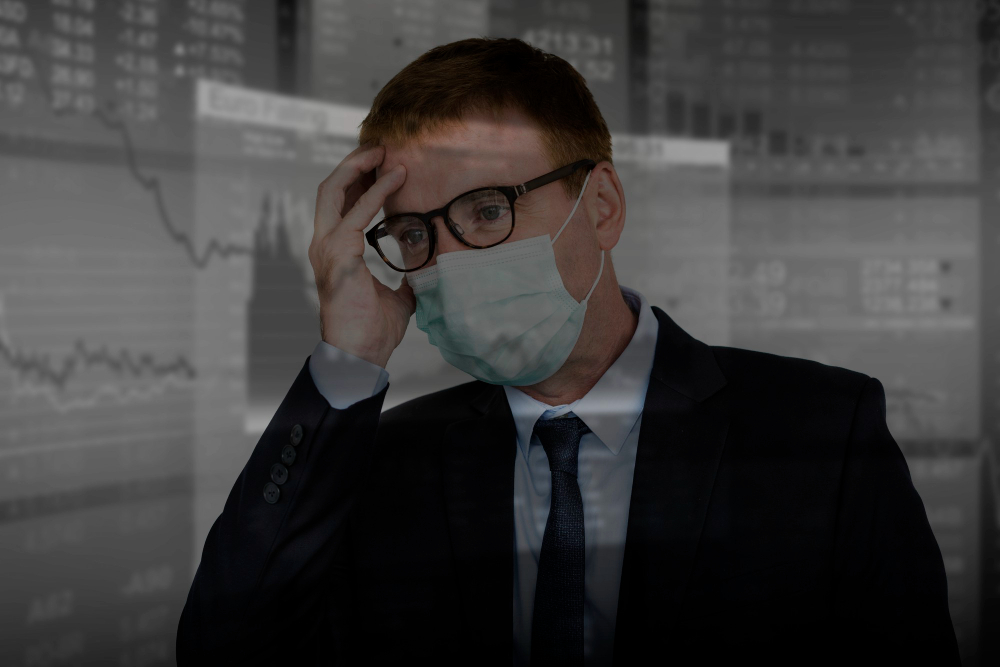
The economy appears to be doing well on paper. The unemployment rate is close to all-time lows. GDP growth is steady but not particularly noteworthy. Corporate profits have pleasantly surprised everyone. Everything appears reassuring if you look at the charts, which show clean lines rising gradually to the right. It’s almost solid.
However, you get a completely different feeling when you enter a grocery store on a Tuesday night and see someone pause before grabbing a carton of eggs. Despite the headlines, there is a sense of tension in the air.
| Category | Details |
|---|---|
| Name | Justin Wolfers |
| Position | Professor of Public Policy and Economics |
| Institution | University of Michigan |
| Known For | Labor market analysis and economic commentary |
| Current Focus | Interpreting conflicting economic signals |
| Reference | https://lsa.umich.edu/econ |
For years, economist Justin Wolfers has distinguished between economic facts and political rhetoric, frequently reminding audiences that robust labor markets and growing wages are real. In general, the figures are accurate. However, figures can be both accurate and insufficient.
Our economy may be what one strategist recently referred to as a “Schrodinger’s cat”—strong and weak, alive and unsteady, depending on your point of view.
Artificial intelligence has emerged as the primary source of hope on Wall Street. Construction of data centers is booming. Because tech stocks have driven indexes higher, investors who are heavily concentrated at the top have seen wealth gains. It appears that investors think AI will lead to productivity increases significant enough to support high valuations.
However, smaller companies are reporting slower sales below that spike. Credit is being quietly tightened by regional banks. Delinquencies on auto loans have increased slightly, and credit card balances are increasing. These indicators don’t all point to a recession. Fragility is whispered.


It’s difficult to ignore how much of the recent expansion has been concentrated in a small number of industries.
In economic discourse, the term “K-shaped economy” has resurfaced. The wealthiest people are doing very well, including tech workers who receive equity compensation and homeowners with assets that appreciate in value. People on the lower end, particularly younger employees and renters, feel squeezed. Payrolls that haven’t kept up with the cost of living are eroded by rent payments. Thin margins make even modest inflation more painful.
Theoretically, inflation has decreased. However, theory isn’t able to buy groceries. Prices remain high for households that did not benefit from the post-pandemic job-hopping boom’s wage spikes. The price of a full tank of gas has increased over the past few years. The cost of insurance keeps going up. The cost of healthcare is still stubbornly high. Even tiny increases add up over time.
Another paradox is found in the labor market itself. The unemployment rate is still low. Outside of tech news, layoffs are rare. Hiring, however, has slowed. Employers avoid mass layoffs but covertly freeze backfills and trim through attrition, according to recruiters, who characterize the environment as “low-hire, low-fire.”
Statistics don’t really show that kind of controlled restraint. However, it manifests itself in actions.
Employees hold on to their jobs. “Job hugging,” or remaining in one’s current position because the external market feels uncertain rather than because the role is fulfilling, has replaced the Great Resignation. The pace of career mobility slows down. Leverage from wages declines. Not enough to register as a crisis, but enough to be felt, confidence erodes.
The debt story is another. Low interest rates made borrowing comfortable for both households and businesses for many years. Now, refinancing is more costly due to higher rates. Uncomfortable levels are used to reset adjustable loans. Owners of small businesses examine loan statements more closely. Higher borrowing costs have changed the mood, but it’s still unclear if they will lead to a wider slowdown.
Economists don’t always acknowledge how important mood is.
The public has faced constant disruptions over the last 25 years, including the dot-com crash, 9/11, the financial crisis, the collapse of housing, political unrest, and a worldwide pandemic. Memory persists even after recovery. Markets reset confidence more quickly than confidence does.
Every tremor is amplified when watching financial news and browsing social media. The volatility of the market becomes personal. Shutting down the government seems like the beginning of something bigger. Perception is still fragile, even in cases where the data is benign.
The issue of inequality is another. In contemporary economies, wealth is determined by asset ownership. If you own real estate or stocks, the past few years have been prosperous. The gains seem smaller if your primary source of income is your wages. Although that difference shatters the economy’s experience, it doesn’t necessarily destroy it.
Some economists contend that excessive demand chasing a limited supply is one of the factors contributing to today’s inflation. Technically, that is accurate. On the other hand, strength that is dispersed unevenly doesn’t feel like strength. It has the feel of instability awaiting a trigger. Then there are the unknowable variables.
Rapid expansion of private credit markets has made it possible to finance companies that previously might have had difficulty obtaining loans. Occasionally, analysts issue warnings about “cockroaches”—single bankruptcies that allude to deeper issues. It’s unclear if those risks will continue to be contained. However, they add to the perception that stability depends on facets that few people completely comprehend.
All of this does not portend an impending recession. In the past, severe downturns have been uncommon. Central banks are still on the lookout. In many industries, corporate balance sheets are sound. By traditional measures, the system is working.
However, failure is not the same as fragility. The understanding that resilience is largely dependent on confidence, and that confidence has been overextended, is a psychological state as much as an economic one. Stability feels provisional when people feel that they are just one unexpected bill away from stress, when job security feels conditional, and when markets are dependent on a small number of high-flying stocks. The economy appears to be doing well.
However, even when it holds, strength based on focus, debt, and cautious optimism can feel unstable. Investors and policymakers may find the data comforting. Reassurance falls more gently on households dealing with rising rent and uncertain employment.
It’s possible that both realities exist. The economy is growing. It’s also brittle. Perhaps the most distinctive economic experience of our time is living in that contradiction.


