

 7:29 pm - March 2, 2026
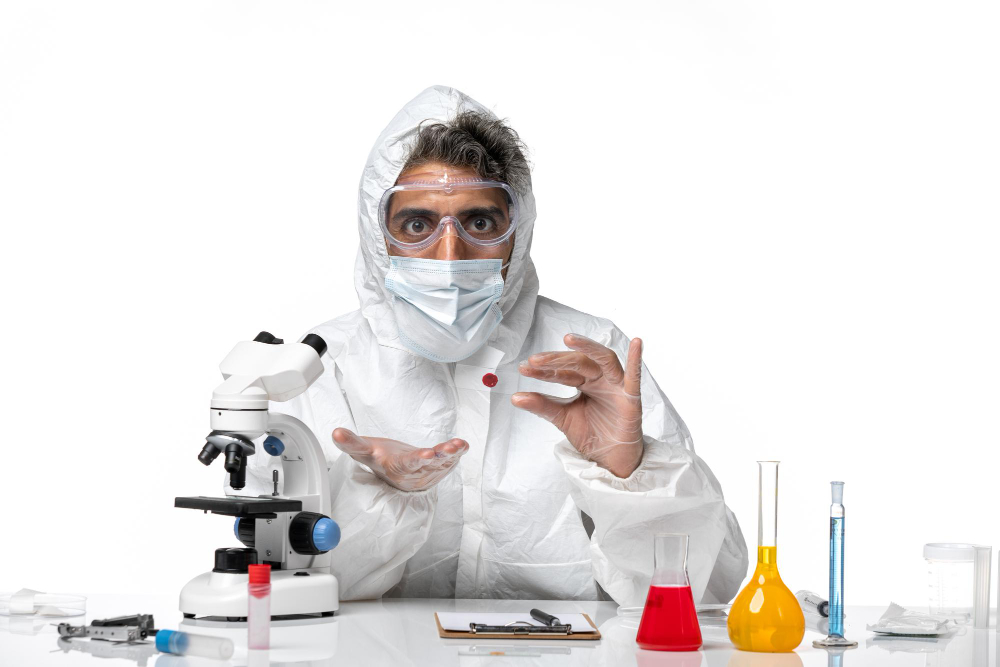
Old mice have become young again in a quiet Boston lab, under fluorescent lights that hum softly even at midnight.
The way that sentence was written sounds theatrical, almost careless. However, animals that appeared to be nearing the end weeks ago have had their gray fur darkened, their damaged nerves repaired, and their vision restored in David Sinclair’s lab at Harvard Medical School.
| Category | Details |
|---|---|
| Name | David Sinclair |
| Position | Professor of Genetics, Co-Director, Paul F. Glenn Center for Biology of Aging Research |
| Institution | Harvard Medical School |
| Known For | Research on epigenetic reprogramming and the Information Theory of Aging |
| Key Discovery | Partial cellular reprogramming reversing aging signs in mice |
| Reference | https://hms.harvard.edu |
The breakthrough is based on the seemingly straightforward idea that cells forget how to behave.
For many years, scientists thought that the main cause of aging was accumulated DNA mutations, or genetic wear and tear that accumulates over time like rust on an automobile. However, Sinclair and others started to doubt that theory. The genetic damage to older cells was less severe than anticipated. There was more going on. It appeared that the hardware wasn’t the issue. The software was the cause.
Medicine has been subtly reframed by this change in perspective, which centers on the epigenome, or the instructions that are layered on top of DNA.
By jumbling epigenetic signals—basically, confusing cells about which genes to activate—researchers were able to age young mice in the lab. The mice started to weaken, slow, and turn gray. The reversal followed. They partially reset the epigenetic clock by using three of the four genes known as Yamanaka factors, which have the ability to reprogramme adult cells. Not enough to create stem cells from cells. Enough to remind them of their former selves.


The mice regained signs of youth in a matter of weeks.
The calmness with which this is discussed in scientific circles is difficult to ignore. As though reversing biological age were a standard diagnostic procedure.
In previous studies, older mice’s vision was restored when damaged retinal cells regrew connections. More recently, there have been indications of rejuvenation in the brain and muscle tissues. Researchers refer to this process as “partial reprogramming.” It sounds humble. It isn’t.
The implications go beyond lifespan extension or vanity. If the majority of chronic diseases, such as cancer, heart disease, and Alzheimer’s, are caused by aging, then resetting aging at the cellular level may stop those conditions before they start.
The entire structure of medicine is altered by that concept.
Contemporary medical care responds. You get high blood pressure and are given medicine. A neurologist orders scans when memory deteriorates. However, what if medical professionals could gauge your immune system, heart, or brain’s rate of aging years before symptoms show up?
Scientists are already constructing “aging clocks.” Scientists can determine biological age with surprisingly high accuracy by examining DNA methylation patterns, which are chemical markers that change predictably over time. Others are able to determine not only the overall amount of wear but also the rate of aging.
Practically speaking, that means a 45-year-old may find that their heart looks like that of a person who is 35 or 60 years old.
Organ-specific aging reports may be incorporated into routine examinations within ten years, identifying vulnerabilities long before illness shows symptoms. It seems as though prevention is gradually surpassing treatment as the true frontier of medicine as we watch this develop.
Cell reprogramming is risky. Because cells lost their identity entirely, full cellular reprogramming caused tumors in previous experiments. Because of this, scientists now only employ partial resets, which are sufficient to renew cells without destroying their functionality. Whether this balance will hold true for humans is still unknown.
Human trials are still in their infancy. Researchers are using cultured human tissues and non-human primates to test gene therapies. Due to the eye’s relative containment, ease of injection, and ease of monitoring, eye diseases may serve as the initial testing ground.
It appears that investors think this will be huge. As they attract billions of dollars in venture capital, longevity startups are growing. Research to extend healthspan, not just lifespan, is being funded by celebrities, hedge fund managers, and tech founders. A hint of Silicon Valley optimism—the tacit belief that biology can be debugged like software—coexists with the excitement.
However, aging is not a mistake in coding.
Genetics, environment, diet, stress, and sleep all have an impact on this intricate, multi-layered process. Even Sinclair admits that our epigenome is already altered by our lifestyle choices. Strong social ties, a diet high in plants, and exercise that leaves you gasping for air all seem to push biological aging in the right direction.
It seems almost too neat to think that we might eventually combine molecular reprogramming with lifestyle discipline.
In addition, there is the philosophical discomfort. What happens to the conventional life arc if illness can be stopped before it begins? Retirement ages. models of insurance. even one’s own identity.
Whether society is ready for widespread rejuvenation therapies, should they become available, is still up in the air. Access will be important. The disparity in health outcomes could significantly increase if only the wealthy have the ability to reset their cells.
The atmosphere isn’t dystopian, though, as you stand in that Boston lab and watch scientists look into microscopes. It’s careful. concentrated. A little taken aback.
According to one scientist, older cells are confused rather than broken because they are misinterpreting instructions that they once followed exactly. The reprogramming restores clarity rather than producing something new.
That framing has a strangely comforting quality. Aging is not an inevitable collapse, but rather the loss of potentially recoverable information.
There is precedent in history. In 1922, insulin changed diabetes from a fatal illness to a treatable one. Infectious disease was transformed by antibiotics. At first, each breakthrough sounded unlikely.
One day, stopping illness in its tracks might seem just as commonplace.
It still hovers over petri dishes and mouse cages as a question mark for the time being. Not a promise, but a possibility.
However, the change cannot be denied. The focus of medicine is shifting from treating symptoms to examining time itself. The quiet confidence coming from these labs is hard to ignore, even though it might take years before clinics start regularly resetting aging clocks.
Researchers are now one step closer to stopping disease in its tracks. Another question is whether we are prepared for that world.


