

 10:18 pm - February 27, 2026
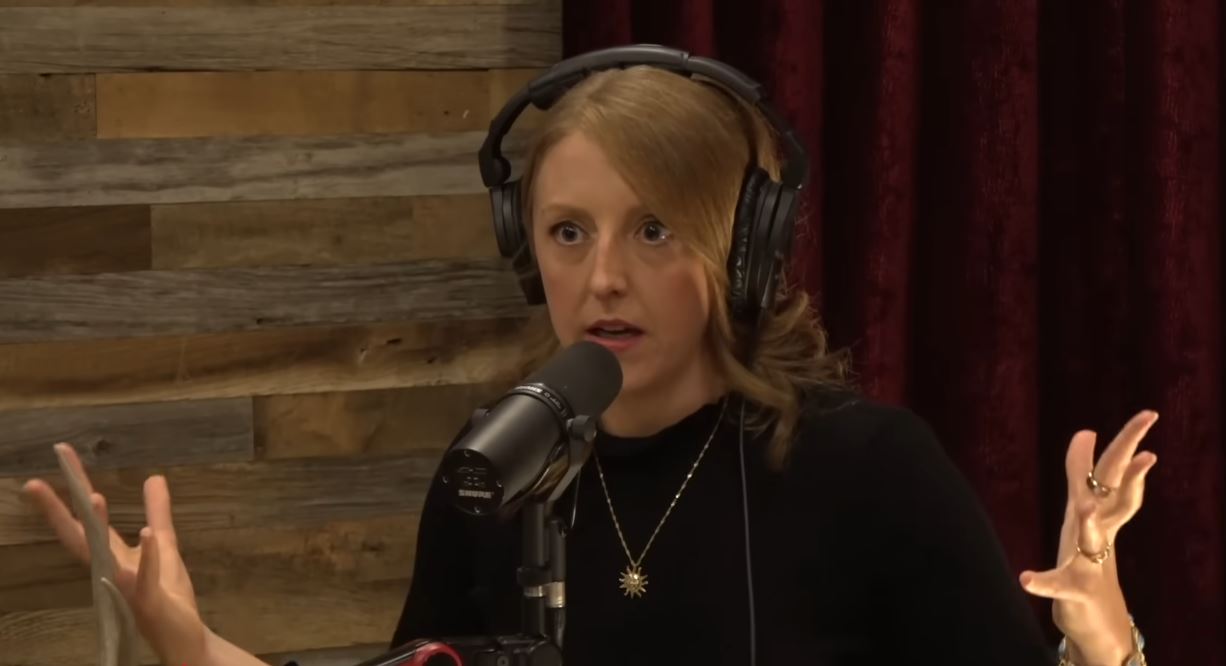
Dr. Casey Means sat facing a microphone in a Senate hearing room that resembled a political arena more than a medical forum, her posture relaxed and her voice steady. The cameras continued to record. The inquiries didn’t. It was one of those afternoons in Washington when you could almost feel history slithering along, disputed and uncertain.
Casey Means, 38, has emerged as one of the most divisive personalities in American health policy. She is a Stanford-trained doctor who is about to become the nation’s surgeon general after leaving her surgical residency before it was finished. Just that arc would be out of the ordinary. However, it feels almost flammable given the political atmosphere of today.
| Full Name | Dr. Casey Means |
|---|---|
| Date of Birth | September 24, 1987 |
| Age | 38 |
| Education | Stanford University (B.A. 2005–2009), Stanford School of Medicine (M.D., 2014) |
| Medical Training | ENT residency at Oregon Health & Science University (did not complete) |
| Current Role | Surgeon General Nominee (United States) |
| Known For | Wellness advocacy, metabolic health, co-founder of Levels |
| Notable Book | Good Energy (2024) |
| Website | https://www.caseymeans.com |
Means, who was born in 1987, completed her training as an ear, nose, and throat surgeon before leaving her residency at Oregon Health & Science University in 2018. She graduated from Stanford’s School of Medicine in 2014. Growing more and more irritated with what she perceived as a system that addressed symptoms rather than causes, she has called that choice a moral turning point. The decision to leave a renowned surgical track may have influenced everything that came after.
She shifted her focus from the operating room to lifestyle change, nutrition, and metabolic health. She co-founded Levels, a company that promotes continuous glucose monitoring to optimize performance and diet, with her brother. In her best-selling book, Good Energy, she made the case that systemic nutritional deficiencies, rather than pure bad luck, are the primary cause of chronic disease in America. Investors appeared interested. Millions of social media followers did the same.
However, her rise has drawn criticism. Means has stated that she has no intention of renewing her medical license, which is currently inactive. The surgeon general, who is frequently referred to as “the nation’s doctor,” should have substantial clinical experience, according to mainstream medical critics. Supporters respond that in a distrustful age, communication skills might be more important than hospital credentials.
This nomination seems to be about more than one individual. It represents a larger conflict between traditional public health organizations and the “Make America Healthy Again” movement, which is closely linked to Health Secretary Robert F. Kennedy Jr. Means has commended Kennedy’s emphasis on environmental pollutants and ultra-processed foods, topics that appeal to voters who are fed up with the rising rates of autoimmune disease, diabetes, and obesity.


She stated unequivocally that “vaccines save lives” in her Senate testimony. When pressed, however, she refrained from making general recommendations, stressing the importance of educated discussions between patients and physicians. That subtlety—or, depending on your point of view, hedging—did little to allay suspicion. One could feel the room getting tighter as they watched the exchange.
The U.S. Public Health Service Commissioned Corps, which consists of over 6,000 uniformed health professionals, is managed by the surgeon general’s office, which is located within the U.S. Department of Health and Human Services. The position has historically been symbolic. Consider C. Everett Koop challenging tobacco executives or, later, surgeons general changing the way that AIDS and mental health are discussed. The authority was both medical and moral.
By previously challenging elements of the childhood vaccination schedule and endorsing raw milk, a product that public health organizations have long cautioned against, Means’ detractors contend she has compromised that moral clarity. She has also come under fire for having financial ties to the health products she advertised online. She has denied any wrongdoing and promised to sell her companies if it is proven.
Nevertheless, it’s difficult to ignore how she approaches health in a different way than conventional bureaucrats. She discusses the quality of the soil. sunlight. flexibility in metabolism. She suggests that respect for the human body is necessary for health reform by fusing biology with something akin to spirituality. That language is refreshing to some Americans. It feels slippery to others.
Her supporters see her as a reformer who is prepared to take on the powerful pharmaceutical industry and the giants of ultra-processed food. Her critics see someone who lacks a strong enough foundation in clinical rigor. There may be some truth to both points of view. It’s still unclear if her unusual resume is a risk or a necessary course correction at a time when public confidence in medicine is eroding.
The political stakes are clear outside the Capitol. The prevalence of chronic diseases is still stubbornly high. Institutions are viewed with suspicion by Americans. Alternative health voices have been amplified by social media, sometimes in a responsible manner and other times in a careless manner. Fluent in both Instagram feeds and Stanford lecture halls, Means occupies a central position at that intersection.
Execution, rather than ideology, may determine whether she becomes a short-lived, turbulent chapter or ultimately transforms public health. Can she convert wellness platitudes into recommendations based on facts? Is she able to bring a broken health discussion together without making it worse?
There was a sense of a nation negotiating its own identity around science, trust, and authority as she moved between certainty and cautious wording in those Senate exchanges. The official spokesperson for American health could soon be Dr. Casey Means. However, the more fundamental query remains: what sort of voice does America currently desire?