

 10:10 pm - February 26, 2026
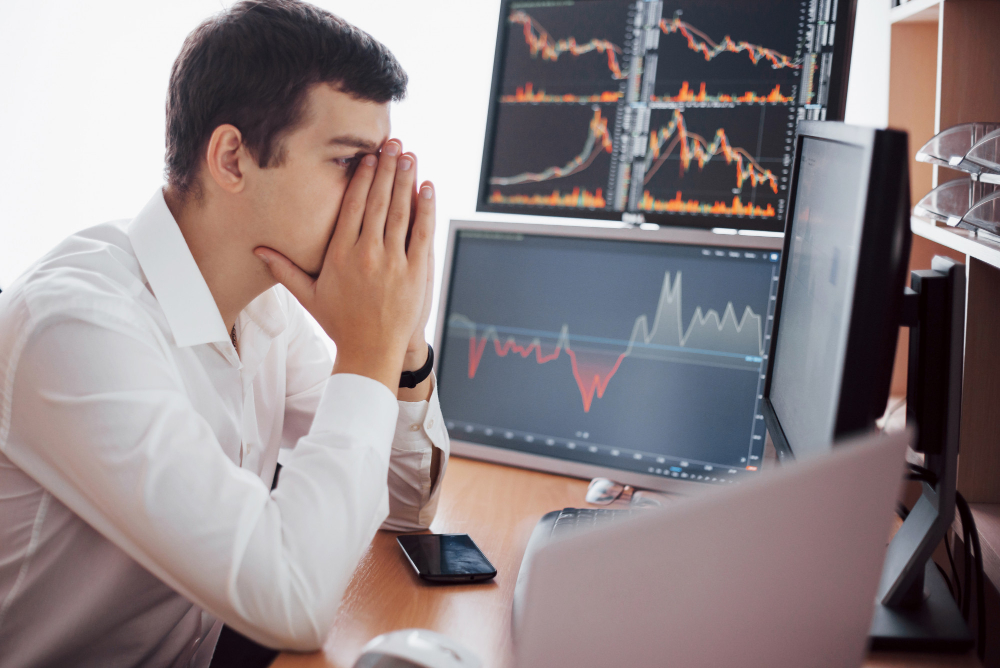
Last week, traders on the floor of the New York Stock Exchange stood beneath glowing boards of green numbers, looking up as if something would flicker red, their jackets a little rumpled by the end of the session. It didn’t. The screens remained largely silent. And for some reason, that quiet seemed the most disturbing of all.
Despite sporadic sell-offs linked to regional bank losses and geopolitical tension, the S&P 500 has reported strong gains this year. Profits for corporations have increased. Interest in AI keeps driving up tech prices. The rally appears reasonable enough on paper. However, there is a feeling that the market might be passing something bigger, one that is expressed more in whispers than in outright statements.
| Category | Details |
|---|---|
| Major Index | S&P 500 |
| Volatility Gauge | CBOE Volatility Index |
| Central Bank | Federal Reserve |
| Bank Executive | Jamie Dimon |
| Global Institution | International Monetary Fund |
| Reference | https://www.bbc.com/news |
It’s possible that the reason for the uneasiness is the strong performance of stocks.
Historical standards are used to stretch valuations. Major bank analysts have raised year-end targets, citing stable growth and declining inflation. Institutions such as the International Monetary Fund, however, have cautioned that markets seem “complacent as the ground shifts.” That phrase sticks in your head. slack. Under gleaming trading desks, it seems as though the earth is moving silently.
A portfolio manager recently characterized the atmosphere in midtown Manhattan as “confident, but defensive.” While hedging with options linked to the CBOE Volatility Index, his team is remaining invested. Often referred to as Wall Street’s fear gauge, the VIX is still comparatively quiet. Stability may be indicated by that low reading. or apathy. It appears that investors think volatility will remain under control. Whether that belief is denial or discipline is still up for debate.
Artificial intelligence is a contributing factor to the tension. Data centers, chips, and infrastructure are receiving billions of dollars. Tech companies are spending as much as the government. Nvidia’s earnings have increased. AI capabilities are driving a rebranding for software companies. There is genuine excitement. The expectations are the same. This season, executives who were watching earnings calls talked confidently about future productivity gains. However, few were able to explain precisely how all of that expenditure would result in profitable margins in five years.


There are concerns about that discrepancy between price and clarity.
In the meantime, there have been minor but concerning rifts in the banking industry. This fall, two regional lenders reported unforeseen losses, which led to short-lived sell-offs. Sharp declines were followed by a swift reversal. The markets shrugged. However, seasoned investors may be concerned about the pace of that recovery. The corrections seem rushed. Risks appear and then disappear. It’s nearly too tidy.
History warns. Valuations increased gradually in the late 1990s before abruptly collapsing. There were also concerns at the time regarding speculative excess and earnings discrepancies. Until they weren’t, the majority were rejected. Financial memory tends to resurface when multiples stretch and optimism solidifies into assumption, though no two cycles are the same.
The situation is made more complicated by the Federal Reserve as well. The markets anticipate a gradual easing of interest rates now that they have stabilized. Generally speaking, lower borrowing costs help stocks. However, in some areas of the economy, inflation is still persistent. The cost of housing is high. The amount of consumer debt is gradually increasing. Assuming that growth will slow down just enough to control prices without sending the economy into a recession, investors are following a narrow course. That requires careful balancing.
In addition, geopolitics is simmering rather than blowing up. The major powers’ trade tensions fluctuate. Despite improvements since pandemic disruptions, supply chains are still susceptible. Exports of rare earth elements, limitations on semiconductors, and changing partnerships are rarely enough to cause significant market movements on their own. However, taken as a whole, they influence the economic environment. One cannot help but wonder if traders are discounting longer-term structural shifts in favor of quarterly results.
Another perspective is provided by behavioral finance. Markets frequently overreact to headlines and underreact to slow change as they oscillate between fear and greed. Investors become at ease when indexes are rising. As though they were the new normal, they adapt to higher price-to-earnings ratios. One gets the impression that optimism itself may turn into a blind spot as you watch this play out.
In recent interviews, Jamie Dimon has cautioned that risks are still not fully valued. Not necessarily catastrophic risks. Simply accumulating: growing fiscal deficits, increasing geopolitical fragmentation, and covertly increasing leverage in private credit markets. A downturn is not assured by any of these factors alone. However, when combined, they create a background that seems heavier than stock charts indicate.
Nevertheless, markets are forward-thinking entities. They continuously process information, pricing probabilities more quickly than any one person could. It’s possible that what seems to be ignorance is just a general consensus that these levels are still justified by the fundamentals. Profits have increased. Employment is still strong. Innovation never stops. It’s possible that investors are determining that the “big” risks are controllable rather than overlooking something significant.
Even so, the atmosphere felt oddly informal as I stood in a brokerage office recently and watched retail investors browse through apps on glowing smartphones. Gains were discussed in a casual manner. Corrections were viewed as opportunities for purchase. One of the young traders tapped his screen and remarked, “The dip always comes back.” That confidence may be earned. Alternatively, it might be a result of ten years during which central banks frequently mitigated market shocks.
As strategists frequently point out, corrections and bear markets have not been eliminated. They just show up when they want to.
It’s unclear if the stock market is actually overlooking something significant. However, the combination of rising indexes and ongoing anxiety speaks for itself. Even as they look over their shoulders, investors are taking part in the rally. For now, the screens might be green. Whether those hues are expressing strength or just serenity ahead of a change that no one has fully priced in is the question that lingers beneath the glow.