

 1:42 pm - February 24, 2026
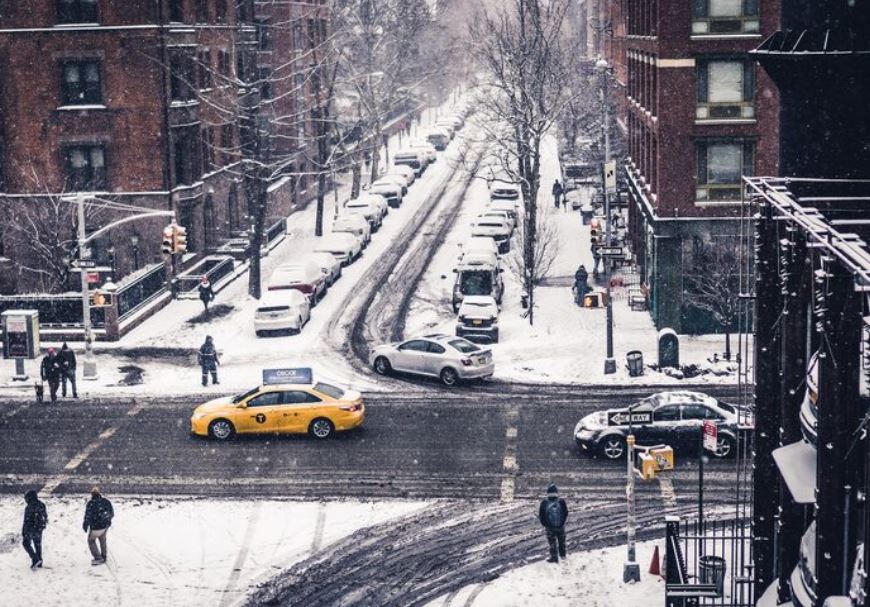
The sound of tires hissing through slush, the occasional scrape of a shovel hitting concrete, and the distant, unyielding grind of a plow attempting to force its way through a curbside ridge that has already frozen into a tiny glacier are all muffled and cottony, and they are all heard outside New York after a significant snowfall. On day two, when the romance fades and the edges of the city become gray mounds of compacted ice, even those who claim to “love snow” always seem less convinced.
This storm’s numbers have been significant enough to garner media attention and, more significantly, to annoy people in their daily lives. According to reports, Central Park received about 19.7 inches by early Monday afternoon. This is one of those totals that alters the city’s overall posture in addition to dusting the brownstones. For the most part, the subway continues to run because it always does. The area that suffers is street-level New York, where delivery workers must maneuver through snowbanks like they’re avoiding furniture, buses plod along, and drivers are once again reminded that “all-wheel drive” is not the same as “all-wheel stop.”
| Category | Important Information |
|---|---|
| Place | New York City, NY |
| Weather authority (official) | National Weather Service (NWS) |
| What’s driving the story | A major coastal winter storm / nor’easter setup with lingering impacts |
| What New Yorkers care about most | Snow totals, wind, visibility, commute timing, and the refreeze risk |
| The most “real” complication | Cleanup + melting + nighttime temperatures re-freezing slush into ice |
| Authentic reference link | National Weather Service forecast page (official): https://forecast.weather.gov |
Here’s what people truly mean when they use the word “forecast”: what will happen next, and how chaotic will it be?
It’s not just about snow, if you pay close attention to the official National Weather Service forecast language. It’s about changes—snow that may turn to rain, a slow conclusion, and then a change for the better as the day wears on. That mixture is important because it makes the difference between dense, soaking slop that turns sidewalks into a skating rink as soon as the temperature drops again and fluffy accumulation that you can shovel. According to the NWS outlook, snow is likely in the city area, with the possibility of a rain mix at times. After that, the forecast will taper off and give way to a clearer, colder pattern.
People seem to want a happy ending: the snow stops, the sun comes out, Instagram posts are made, and life goes on. However, there are rarely happy endings to winter storms. In the gutters, they remain. The curb cuts are haunted by them. When you arrive late and move too quickly, they appear as black ice at 6:45 a.m.
The other unglamorous reality is that forecasts are logistics, not just meteorology. Delays may still occur if snow showers persist into tomorrow—not because the sky is dropping more snow, but rather because the city is still dealing with the consequences of the previous snowfall. That sort of in-between is reflected in Weather Underground’s short-term forecast: neither spring nor the end of the world, but a jumbled middle with intermittent precipitation and temperatures that are just below freezing to keep things complicated.


The unpredictability of New York storms is what makes them feel personal. Someone in Lower Manhattan complains that it’s “just slush,” while a friend in Queens sends a picture of a buried car. Both may be accurate. The city’s peculiar microclimates—water on three sides, tall buildings that funnel wind—make a single “NYC total” seem almost made up. Coastal winds and banding can fill one zone while leaving another empty. It’s possible that the upcoming updates continue to nudge timing or totals—not because forecasters are speculating, but rather because the atmosphere is doing what it always does, which is to defy neat spreadsheet behavior.
The human element also comes into play, which is how people respond when they sense a moment changing. You can practically see behavior change in real time following a storm like this. Late afternoon is when bodegas get busy. As if it were a trophy, someone purchases the final bag of rock salt. Parents are like diplomats negotiating snow boots. Even the most courageous dog owners appear deceived by the sidewalks, moving cautiously and acting as though the dog is trying to turn around.
The impact of the storm will go beyond mere inches. The ensuing freeze-thaw cycle will be used to measure it. At night, snow that melts into puddles during the day can solidify into ice plates. At that point, emergency rooms silently start to fill up with the most common injury in New York: a high-speed, hard fall caused by someone who believed they were “fine.” The 12 to 36 hours following the heaviest snowfall, when everyone is at ease and the pavement is subtly turning mean, is frequently the window of greatest danger.
However, the forecast language indicates a cautious optimism for improvement, with gradual clearing, easing precipitation, and temperatures rising sufficiently to cause some melting. Depending on where you live, how well your block is cleared, and how soon the nighttime cold returns, you may or may not find that “improvement” pleasant. Whether New York experiences a clean melt-out or a prolonged period of soiled ice and congested streets that persists well into the week is still up in the air.
There’s always something strangely personal about watching the city dig out: New Yorkers are practical, but impatient. As they shovel, they grumble. As they push a stuck car, they joke. They cross snowbanks as though they are running late for a crucial event, which they are.
The best interpretation of the NYC snow weather forecast for the time being is that, while the worst may be over, the annoying part is still very much present. Watch when lingering snow showers occur, take any drop in temperature at night as a warning sign, and assume that the sidewalks will deceive you, especially when it’s shaded.


