

 8:55 pm - February 23, 2026
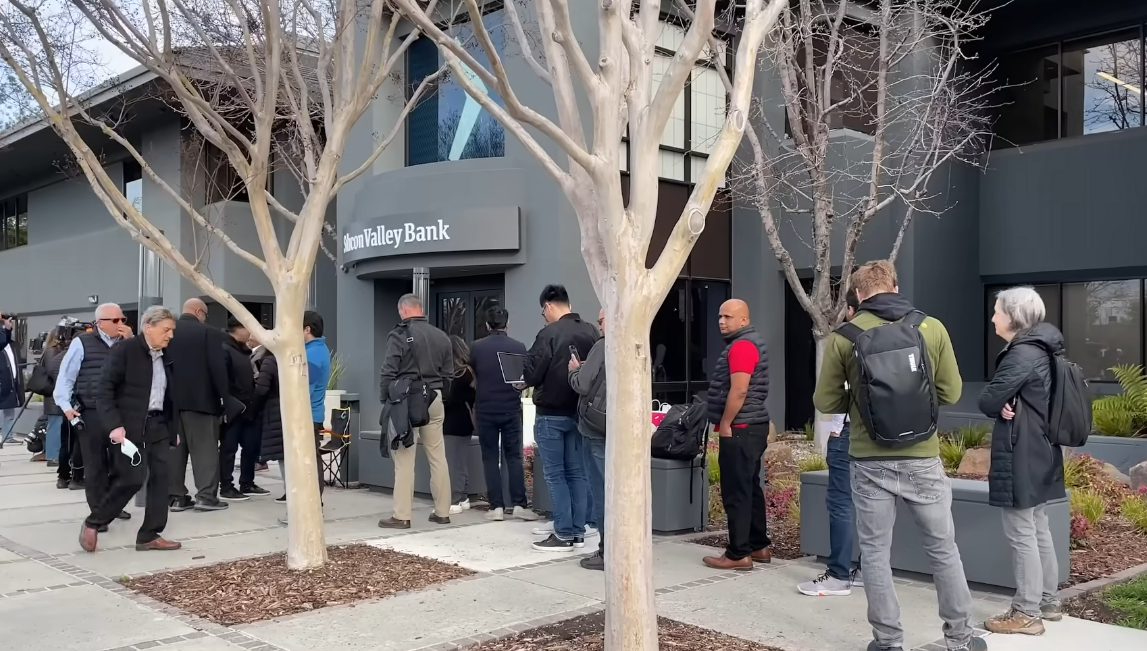
Traders in a glass-walled office building in Lower Manhattan stared at glowing monitors on a recent afternoon, their faces oddly composed. Outside, tourists paused to take pictures of the skyscraper canyon while taxis scuttled through traffic. Nothing appeared to be damaged. However, there’s a feeling that something is off beneath the surface.
Some economists have started speculating that the financial crisis that people fear might not actually occur. It might be here already.
Particularly when stock indexes are still close to all-time highs, the argument seems odd. Gains are still visible in retirement accounts. Tech firms keep making big investments in artificial intelligence. Upon closer inspection, however, some signals seem more difficult to ignore. With more households falling behind on payments and credit card balances on the rise, it appears that spending has been driven more by necessity than by strength. This strength might not be as strong as it seems.
| Category | Details |
|---|---|
| Central Bank | Federal Reserve |
| Responsibility | Sets interest rates and manages monetary policy |
| Major Financial Institution | JPMorgan Chase |
| Role | Largest U.S. bank, closely tied to market liquidity |
| Global Economic Monitor | International Monetary Fund |
| Function | Tracks global debt risks and financial stability |
| Market Index Provider | S&P Global |
| Why It Matters | Publishes the S&P 500, a key indicator of market confidence |
| Reference Links | Federal Reserve Economic Data • IMF Global Financial Stability |
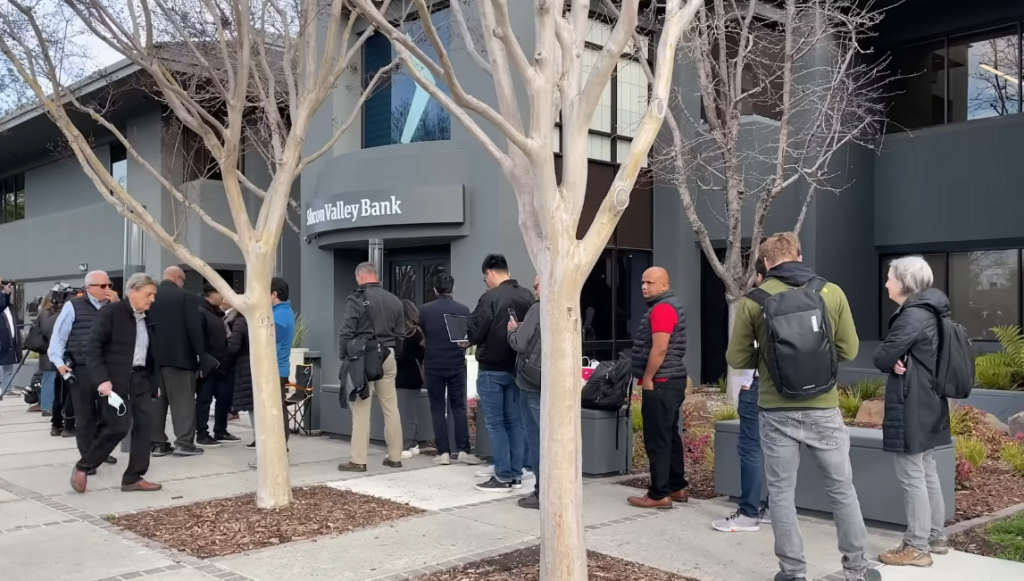
Cranes continue to move containers at a shipping terminal close to Los Angeles, but employees report that the speed has decreased. Goods are coming in less and less. Some trucks are now idle for longer periods of time. A common early economic indicator, freight volumes have decreased in ways that suggest waning demand.
One gets a sense of déjà vu when they watch these silent slowdowns.
Panic rarely triggers financial crashes. They start with small changes. slight hesitancies. This is a missed payment. An investment that was postponed. Prior to Lehman Brothers’ demise in 2007, markets seemed stable. There were warning signs, but they were dispersed and simple to ignore. The warning signs of today are similar. Not very dramatic. Simply be persistent. One of the most significant issues is debt.


In periods of low interest rates, households, businesses, and governments all took out large loans. Growth was aided by that borrowing, but now that interest rates are higher, carrying that debt is more expensive. More money is spent on monthly payments, which reduces available funds for other uses.
It appears that investors think the system can withstand this strain. Whether they are correct is still up in the air.
Stocks in the technology sector, especially those related to artificial intelligence, have been crucial in maintaining market stability. Their quick ascent has produced vast amounts of paper wealth, which has increased investor confidence and spending because they feel wealthier than they did before.
However, wealth on paper can vanish in an instant.
Some economists are concerned about the consequences of a significant decline in those valuations. Wall Street wouldn’t be the only place affected. It might have a knock-on effect, slowing hiring, cutting spending, and harming the economy as a whole.
This has been done before. Similar optimism was generated by the dot-com boom of the late 1990s, which was followed by a painful correction.
Even though it is still largely stable, the labor market has started to exhibit minor signs of weariness. Some industries have seen a slowdown in hiring. The growth of wages has slowed. In certain industries, job postings have subtly decreased. This doesn’t feel disastrous. Not just yet. However, crashes don’t always make a clear announcement.
Empty storefronts have become more prevalent in some regions of the nation. A recent stroll through a suburban shopping center revealed a number of empty retail establishments with brown paper covering their windows. They were busy a few years ago. They’re waiting now. A recurring theme is waiting.
Additionally, the gap between reality and perception is widening. Large investors and technological advancements have a significant impact on financial markets, which reflect confidence. However, a lot of families are struggling financially, modifying their spending, delaying big purchases, and living closer to their limits. Uncomfortable questions are raised by that tension.
Whether this moment will result in a full-scale crash or just a protracted slowdown is still unknown. Economic data frequently conveys conflicting information. Resilience is suggested by certain indicators. Others draw attention to fragility. Both are possible simultaneously.
The Federal Reserve and other central banks must make tough decisions. Interest rate reductions may spur growth, but they also run the risk of reviving inflation. Maintaining high rates may put additional strain on borrowers.
Neither choice seems completely secure.
It’s not panic that makes this moment unnerving. It’s quiet.
Markets are still open. People leave for their jobs. Make travel plans. Purchase houses. However, beneath that normalcy, pressures are mounting and the financial system is gradually changing.
As you watch this happen, you get the impression that a crash might not look like previous ones. It might come slowly. Silently.