

 9:42 pm - February 23, 2026
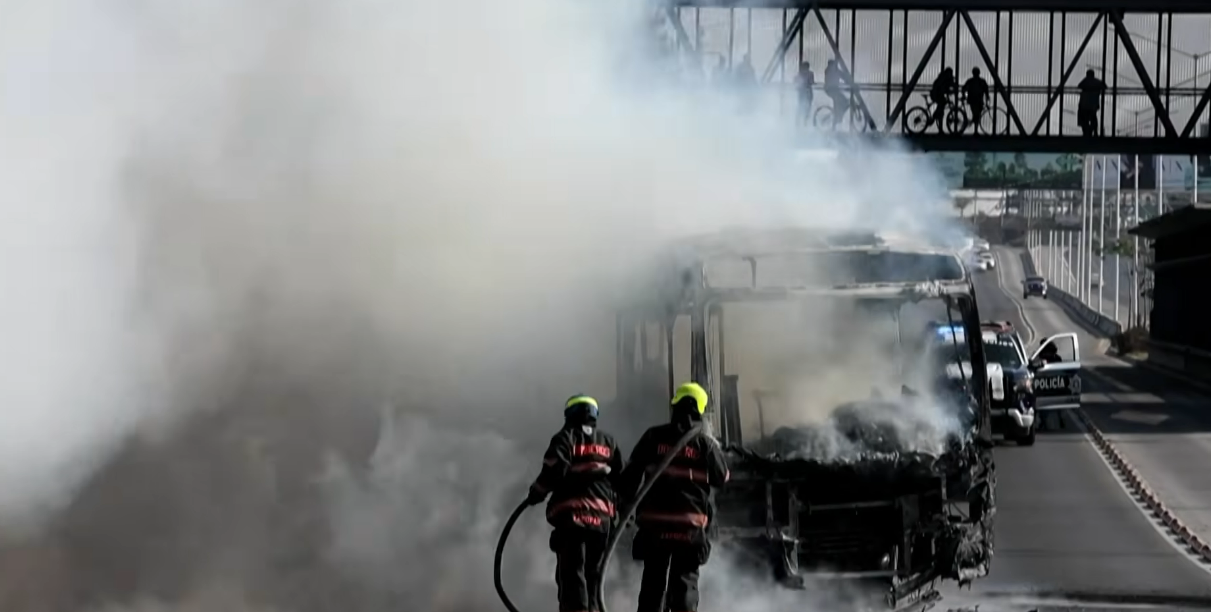
First, the smoke rose. It curled into the sky like signals no one wanted to recognize, drifting upward in slow gray columns above Guadalajara’s streets. Burned buses with blackened windows and still-heating metal frames sat abandoned across intersections. The scene must have seemed surreal to residents viewing it from the balconies of their apartments, as if it were a movie that had somehow infiltrated everyday life.
The violence started after the longtime leader of the Jalisco New Generation Cartel, Nemesio Oseguera Cervantes, also known as El Mencho, was killed. One of the most potent criminal networks in the world was supposed to be weakened by his death during a military operation. Rather, it appeared to unleash something sudden and unpredictably different.
Obstacles appeared almost immediately.
Gunmen took control of trucks, burned them, pulled them across highways, blocked off escape routes, and isolated communities. This seems to have been more than retaliation. It was a theater. An act of presence. A reminder that even when leadership is removed, structures are left behind that take time to vanish.
| Field | Details |
|---|---|
| Cartel Leader | Nemesio Rubén Oseguera Cervantes (“El Mencho”) |
| Born | July 17, 1966 |
| Cartel | Jalisco New Generation Cartel (CJNG) |
| Nationality | Mexican |
| Status | Killed in military operation, February 2026 |
| Reward Offered | $15 million (U.S. bounty) |
| Cartel Reach | Operations in over 40 countries |
| Key Locations | Jalisco, Guadalajara, Puerto Vallarta |
| Reference | BBC News Report on El Mencho Killing |
| Additional Reference | AP News Coverage of CJNG Operation |
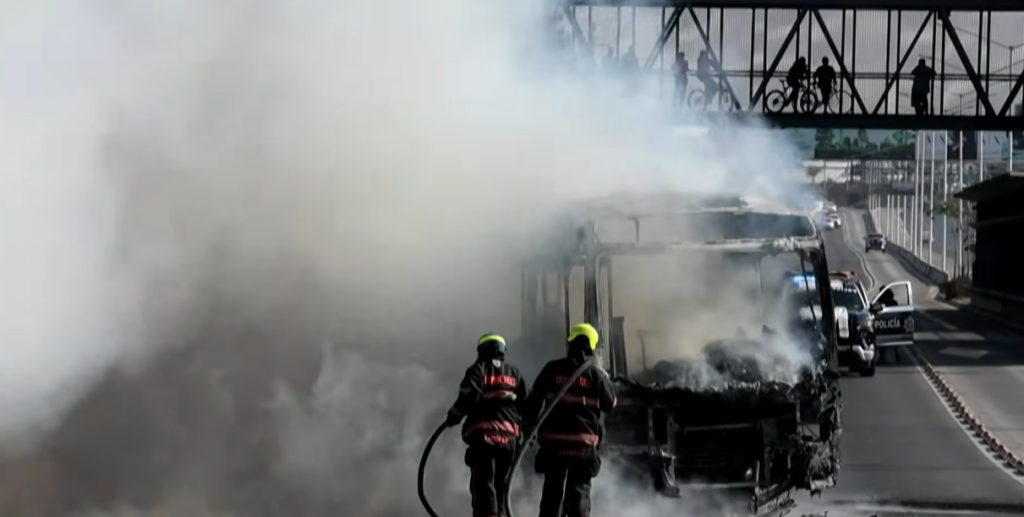
Residents reported hearing low-flying helicopters chop the air with their blades in sharp, monotonous rhythms. Military vehicles, their painted surfaces dusty and worn, rolled past closed shops. As this is happening, it seems like the government foresaw opposition, but maybe not to the extent or velocity of it.
El Mencho himself had established an almost legendary reputation.


As a former police officer who later became a cartel boss, he was able to precisely exploit weaknesses because he understood both sides of power. Over the past ten years, his organization has grown quickly, moving billions of people across borders and branching out into the production of fentanyl. It’s possible that his true strength was flexibility rather than just violence. Ironically, his passing causes instability.
After losing their leaders, cartels frequently split up into rival groups vying for control of territory. Even more violence may result from that competition, at least momentarily. Whether CJNG will deteriorate or change into something less centralized but more difficult to destroy is still up in the air. The emotional weight of the tension was different in coastal cities such as Puerto Vallarta.
Uncertain of whether to be horrified or incredulous, tourists stood on hotel balconies and gazed at the far-off smoke. Some had arrived anticipating their usual vacation days earlier. Rather, they were forced to wait inside while they observed the events from afar and without a clear understanding. The government of Mexico presented the operation as essential.
The military’s coordination was commended by officials, who emphasized their resolve to take on organized crime. Nonetheless, observers have a subdued skepticism. The economic forces underlying the cartel system do not disappear when one leader is removed. There is still demand. Money endures. There is always opportunity.
There are complex lessons to be learned from history.
Former cartel leaders were frequently swiftly replaced after being apprehended or killed. There were new names. New coalitions were established. Instead of disappearing, violence changed. Even as players evolve, it’s difficult to ignore how patterns recur.
The experience feels very personal to regular people.
Children were kept home from school by their parents. Store owners closed early. Before nightfall, the streets were deserted. When uncertainty grows, a certain silence descends that is more about waiting than it is about resolution. Meanwhile, day-to-day existence persists obstinately.
Employees went back to their offices. Food stands were reopened by vendors. The familiar rhythms of traffic returned. Even shattered cities seldom stop entirely. They adapt. They take in. They proceed. It seems as though El Mencho’s passing signifies both a conclusion and a start.