

 8:06 pm - February 23, 2026
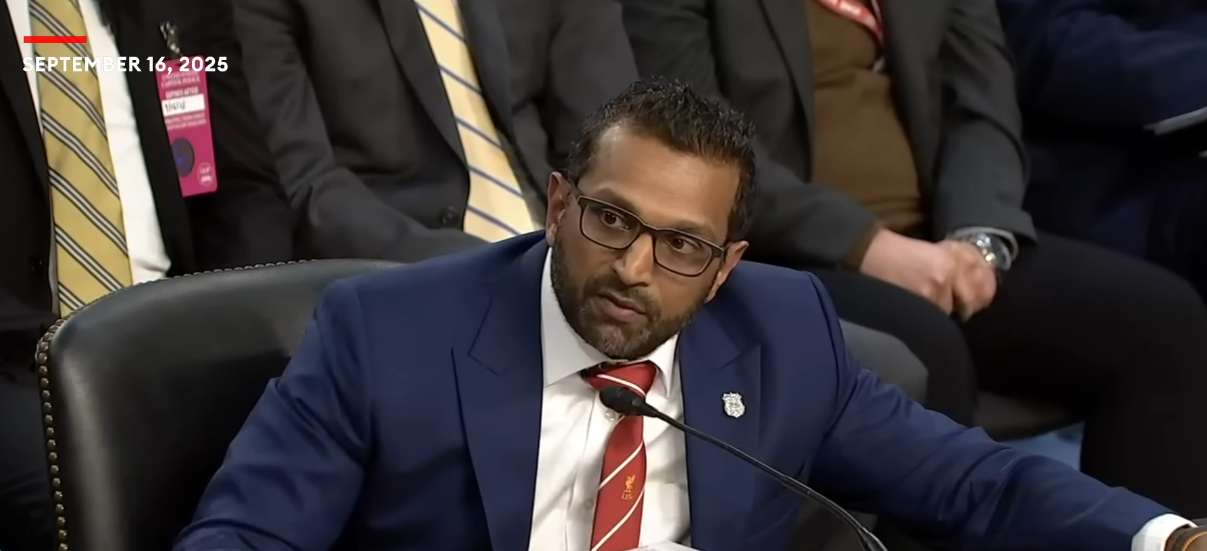
It felt more real because the phone was trembling a little.
Holding his gold medal up to the camera, Dylan Larkin stood in the center of a tumultuous Milan locker room, grinning in that loose, worn-out manner that athletes do when everything is finally over. Behind him, equipment was strewn all over the damp tile floor, teammates were shouting, and music was blasting. Another face then inadvertently entered the frame: Kash Patel, who was smiling and leaning in as though he had always been there. Larkin might not have realized what he had just captured.
| Field | Details |
|---|---|
| Full Name | Dylan Larkin |
| Date of Birth | July 30, 1996 |
| Nationality | American |
| Profession | Professional Ice Hockey Player |
| NHL Team | Detroit Red Wings |
| Position | Center |
| Olympic Achievement | Gold Medal Winner, 2026 Winter Olympics |
| Viral Moment | Instagram Live showing Kash Patel in locker room |
| Reference | Wikipedia – Dylan Larkin Profile |
| Additional Reference | NHL Official Player Page |
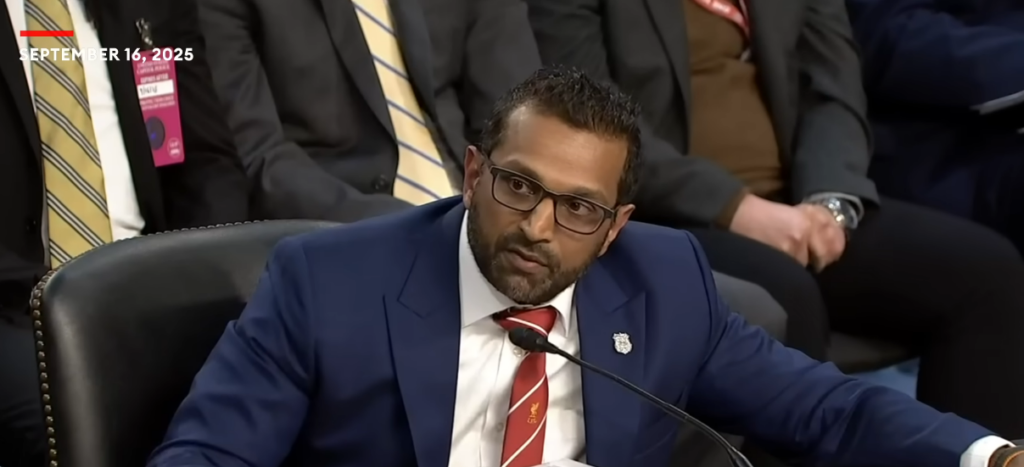
He appeared to be broadcasting the kind of behind-the-scenes access that fans long for at that precise moment, just sharing joy. He panned across the room, laughing and showcasing his teammates. No one appeared to care about appearances. It was merely a party. Loud and pure.
However, things that straightforward are rarely seen on the internet.
Within a few hours, the video had spread far beyond hockey fans and left its original context. Larkin—the real Olympic champion—was subtly pushed to the sidelines as the FBI director’s presence in that locker room became the story. As I watch the clip now, I notice an odd imbalance. The moment was earned by the athlete. It had been inherited by the official.
Even Larkin appeared unconcerned.
He had played some of the most important hockey of his career during the tournament, giving stability and leadership to a team that was trying to make history. His teammates characterized him as composed, intent, and methodical. In subsequent interviews, he talked about unity and Olympic spirit in a steady but worn-out voice, as though he was still taking in the events.


Athletes seem to underestimate how easily a celebration can turn into a controversy.
Even with cameras, locker rooms are emotionally private places. Adrenaline and relief provide a temporary bubble for players. Whether Larkin expected his Instagram Live to turn into political content instead of sports history is still up for debate. The fact that it appeared so natural complicates the situation.
Patel didn’t seem formal or staged. He seemed to be welcomed. cozy. He wasn’t introduced by Larkin in a dignified manner. He simply continued to record while grinning and allowing the moment to develop. Although that casualness was sincere, it also brought up issues that no one in the room was at the time considering. The gold medal was meant to be the night’s defining moment for Larkin. And it did in a lot of ways.
He had dreamed of representing his country while growing up in Michigan, skating in rinks full of cold air and echoes. At last, that dream had come true. His expression showed both pride and incredulity as he held the medal in front of the camera. Even as an experienced professional, it’s difficult to ignore how youthful he still appeared at that precise moment. However, another event also occurred.
Athletes today do not have the same control over their own story as they did in the past. Context is flattened by social media. It combines rejoicing and criticism. It transforms personal happiness into proof for the public. Larkin’s video demonstrated more than just triumph. It revealed closeness—to politics, to power, to something more than athletics.
It seems like this is a part of a larger change.
Although national identity and sports have always overlapped, the lines seem to be blurring these days. It feels new, or at least new to see, how roles are blurred when officials celebrate with players. Even though they are still controversial, it’s possible that incidents like this will occur more frequently.
For his part, Larkin continued to rejoice.
He gave his teammates hugs. He chuckled. He remained present. Perhaps that is the story’s most relatable element. The lives of athletes don’t feel like news stories. They perceive them as fleeting, sentimental, and flawed.


