

 10:46 am - April 11, 2026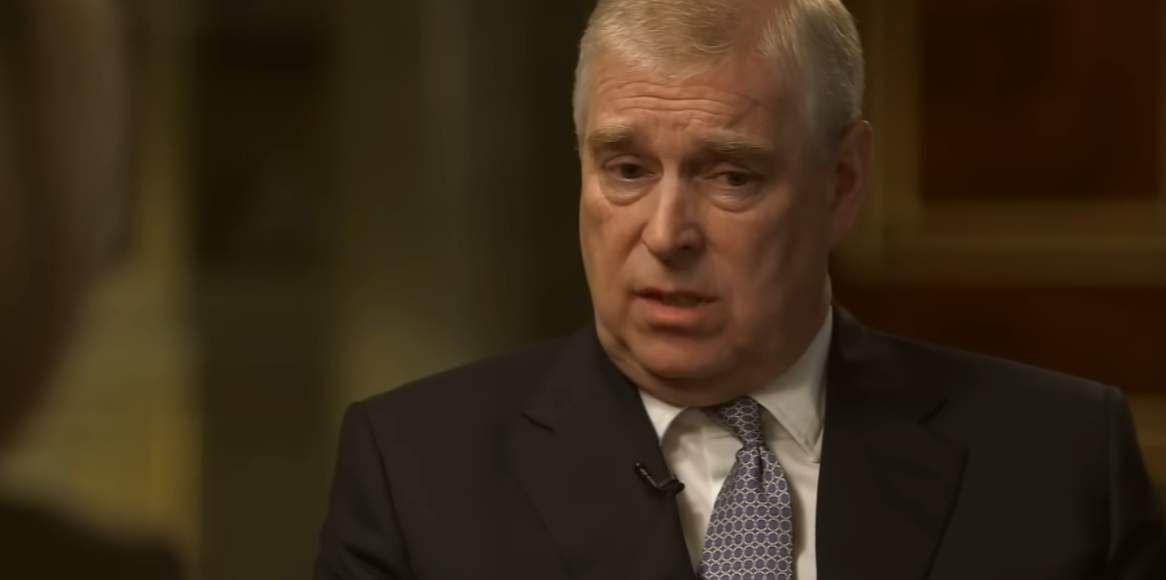
The silence of the police cars’ arrival somehow increased the volume of the scene. The officers’ presence created an unfamiliar tension outside Sandringham’s gates, where trees typically frame a sort of rural calm. Inside was Andrew Mountbatten-Windsor, formerly just Prince Andrew. He would be expelled by the end of that February morning in 2026—not as a member of the royal family, but as a suspect.
On suspicion of misbehavior in public office, he was taken into custody. For someone who once represented Britain overseas, that phrase, which is almost bureaucratic in its dryness, has more weight.
Investigators say the main accusation concerns allegations that, while working as a UK trade envoy, he may have given Jeffrey Epstein access to private government information. It’s probable that emails or other correspondence from about 2010 brought up issues that authorities were unable to overlook. One felt that something that had previously been unimaginable had finally become procedural as they watched the news that day.
| Category | Details |
|---|---|
| Full Name | Prince Andrew (Andrew Mountbatten-Windsor) |
| Born | February 19, 1960 |
| Royal Role | Former Duke of York, UK Trade Envoy (2001–2011) |
| Arrest Date | February 19, 2026 |
| Arresting Authority | Thames Valley Police, United Kingdom |
| Allegation | Suspicion of misconduct in public office |
| Investigation Focus | Allegedly sharing confidential government information with Jeffrey Epstein |
| Legal Status | Released under investigation, no formal charges filed |
| Official News Reference | https://www.bbc.com/news |
| International Coverage | https://www.nbcnews.com |
The symbolism was further enhanced by the fact that the arrest took place on his 66th birthday.
After detaining him and questioning him for hours, police later that day released him while they conducted an investigation. That status puts everything on hold in the British legal system. He has not been cleared or charged. Whether prosecutors will file criminal charges or if the case will end up in obscurity is still up in the air.
Cameras angled toward the driveway, photographers waited in the wintry weather outside the police station. Andrew sat low in the back seat, half hidden, when his car eventually came out. It’s difficult to ignore how posture by itself can indicate that certainty is crumbling.
His public life was already marred by his relationship with Epstein. Andrew refuted claims of sexual misconduct linked to Epstein’s network that resulted in settlements and lawsuits years prior. He had lost his royal titles and public responsibilities by 2026, and he was more akin to a private citizen with a highly visible past.


But the arrest felt different.
Reputation wasn’t at stake here. It concerned possible criminal liability related to his official position as a British representative. The distinction seems to have had a significant impact, particularly in a nation where the state and monarchy are still intricately entwined.
The reaction at Buckingham Palace was subdued but telling. “The law must take its course,” King Charles III said in public. That phrase carried a certain quiet finality that reverberated throughout headlines and broadcasts. It implied separation. Need, maybe.
The public’s response developed in phases.
Some residents outside Buckingham Palace were shocked, while others were resigned. It had been “a long time coming,” according to a woman who was interviewed on television. Her calm delivery of her words made them stick in your mind, not because they were certain. Long before the actual arrest, there may have been a change in public trust.
Senior royals have historically operated in a legal limbo, protected by distance, custom, and status. That view was upset by Andrew’s arrest. It served as a reminder that, despite its complexity, royal ancestry does not absolve legal scrutiny.
The issue of timing is another.
According to reports, the investigation came after Epstein-related document releases that seemed to bring up old issues with fresh vigor. Institutions frequently operate slowly, particularly when influential people are involved. As this happened, it seemed as though momentum had finally overcome hesitancy.
But the defining characteristic is still uncertainty.
Andrew has denied any misconduct. The complete details of the evidence have not been made public by the authorities. Months or even years could pass during the legal process. Answers may come slowly or not at all in the manner that the public anticipates.
The symbolic change, however, seems indisputable.

