

 3:36 am - April 11, 2026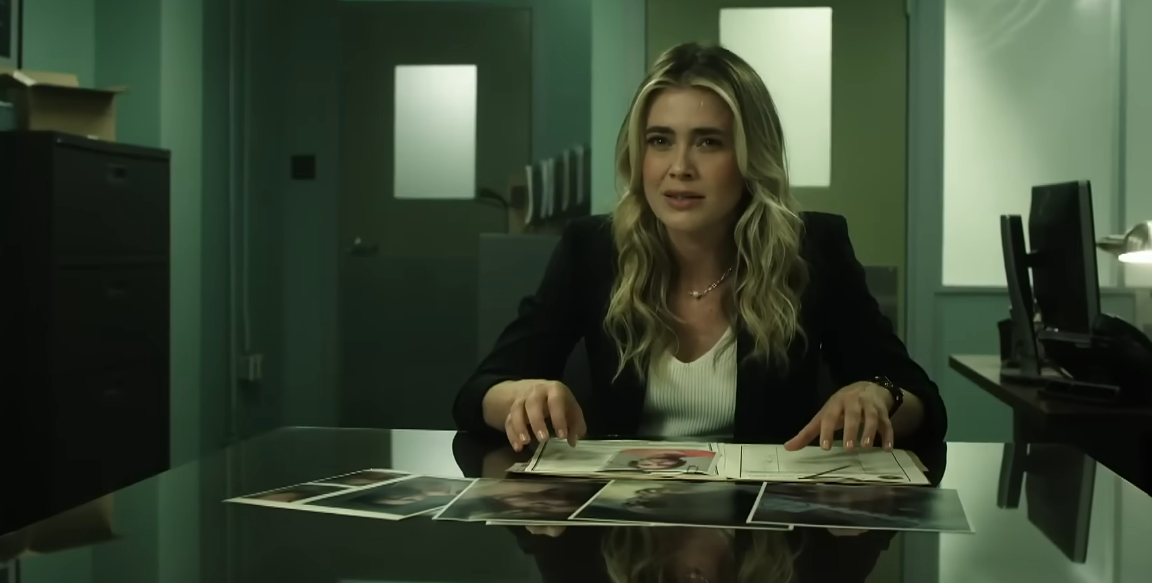
The Hunting Party’s violence and mystery aren’t the first things that catch the eye. The odd familiarity is the cause. Within minutes, a team is put together under duress, a profiler is reluctantly called back into service, and a secret government document is revealed. Even though the names and faces are unfamiliar, anyone who has watched crime television in the last 20 years may feel as though they have already been here.
An explosion beneath the Wyoming countryside at the start of the show releases serial killers from a covert prison known only as the Pit. It’s a notion that seems ridiculous when discussed in passing, but as you watch it develop on screen, you get the impression that the authors almost expect you to not think too hard about it. Rather, they pick up speed, introducing Melissa Roxburgh’s character Rebecca “Bex” Henderson, who exudes a believable sense of restrained exhaustion.
| Category | Details |
|---|---|
| Title | The Hunting Party |
| Genre | Crime, Thriller, Procedural Drama |
| Premiere Date | January 19, 2025 |
| Network | NBC |
| Lead Actress | Melissa Roxburgh |
| Premise | FBI profiler hunts escaped serial killers after secret prison explosion |
| Seasons | 2 |
| Rotten Tomatoes Score | 18% critics, significantly higher audience approval |
| Official Show Info | https://www.nbc.com/the-hunting-party |
| Streaming Information | https://www.peacocktv.com |
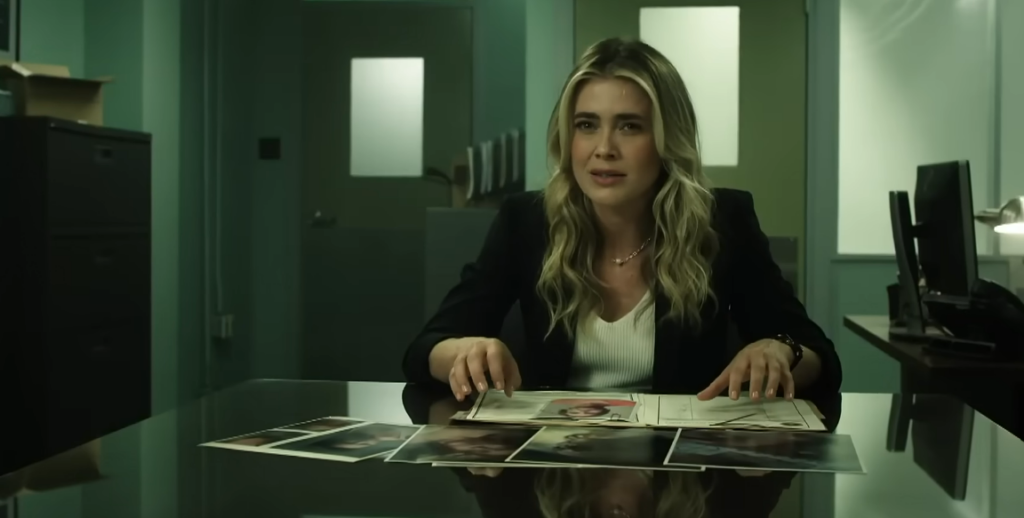
The most compelling aspect of the show is most likely Roxburgh’s performance. Bex is not portrayed by her as unbeatable. She pauses. She observes. She takes it in. She frequently appears to be someone who is calculating consequences rather than pursuing fame when she is standing in interrogation rooms or strolling through crime scenes. Although it’s still unclear if the writing adequately supports her effort, it’s difficult to ignore the amount of responsibility the series places on her shoulders.
The show’s visual rhythm becomes dependable. SUVs pulling up outside crime scenes, private planes landing at distant airfields. Briefing rooms with fluorescent lighting and a tense silence. These settings seem to exist more as recognizable symbols than as actual locations, reminding viewers that they are watching a procedural. That comfort can be effective at times. It can feel like creative hesitancy at times.
The gap between audiences and critics makes the experience more difficult. The show has been largely disregarded by critics due to its cliched dialogue and repurposed structure. However, viewers appear more tolerant, even excited. Streaming platform investors appear to think that familiarity still sells, particularly in a time when consumers prefer dependable content over groundbreaking.
That dependability is strengthened by the episodic format. The show can reset its tension while gradually developing a larger conspiracy by introducing a new escaped killer in each episode. Shows like Criminal Minds and The Blacklist have previously employed this formula. As you watch it happen again, you get the impression that execution has taken precedence over originality.


Not every moment is effective.
Some of the dialogue seems overly detailed, as though the characters don’t think the audience will understand them. Moments that ought to feel heavy are strangely weightless in some scenes because emotional reactions come too late or not at all. Perhaps these scenes would have been more memorable if they had been written more tightly.
The show is still watchable, though.
Pacing has a role in that. Episodes rarely last long enough for defects to take center stage because they move swiftly. There are always new suspects, plot points, and locations to consider. Even when logic falters, viewers are kept interested by this forward momentum.
The popularity of the show also reveals something subtle. Despite shifting cultural trends, streaming revolutions, and decades of evolving tastes, crime procedurals have endured. One gets the impression from watching The Hunting Party that viewers aren’t always looking for something novel. There are times when they are looking for something familiar that has been sufficiently executed.
The conspiracy plot, which is gradually developing beneath the weekly hunts, adds even more intrigue. In the background are concerns about the prison, the intentions of the government, and unspoken secrets. It’s still unclear if the show will provide all the answers viewers want or if it will just keep the mystery going in order to make money.
That ambiguity could be deliberate.
The series has a darker than anticipated emotional tone. Because of the moral ambiguity rather than the graphic imagery, some episodes leave viewers feeling uneasy for a long time. Characters pursue justice while concealing facts, operating in gray areas. It produces tension that seems more about trust than violence.