

 10:28 pm - February 20, 2026
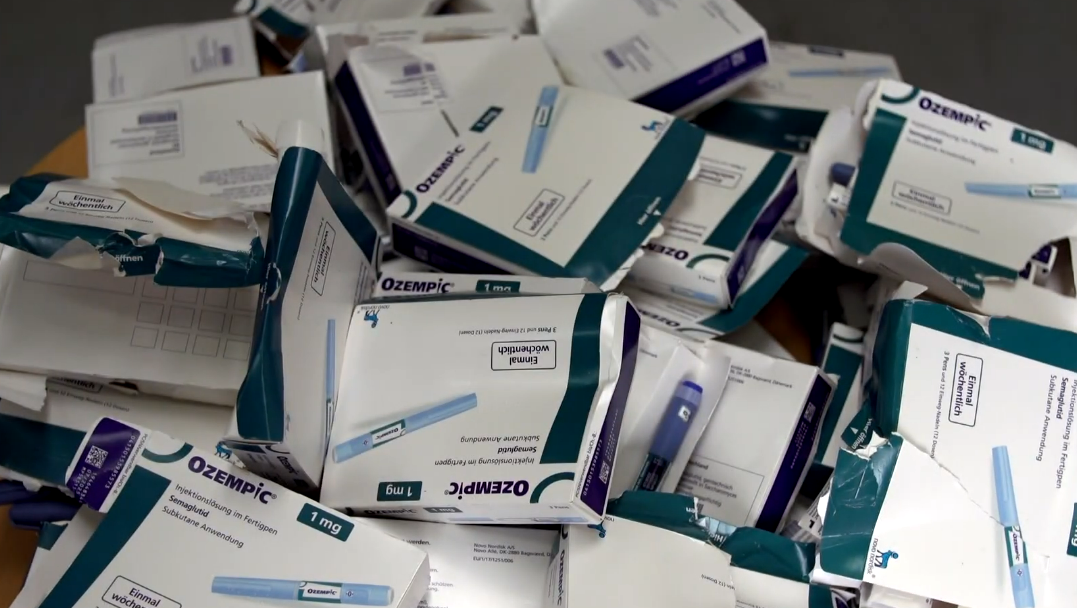
A woman in her early fifties was sitting quietly in a private clinic in Birmingham on a chilly morning, turning an empty injection pen between her fingers. In the last year, she had shed almost sixty pounds. Her posture was more straight, and her face appeared more focused. However, there was hesitation in her voice. She wasn’t inquiring about ways to reduce her weight. She wanted to know what would occur if she stopped.
This question may have become the true legacy of Ozempic, as it has been asked in exam rooms all over the world.
The emotional physics of weight loss was altered by the drug. Patients brought quiet shame to clinics for decades, recounting gym memberships that vanished from memory and failed diets. By effectively suppressing appetite, Ozempic broke that pattern and caused people to frequently forget to eat. As they observed bodies shrinking at a rate that initially seemed unattainable, doctors felt both hopeful and increasingly uneasy.
One problem seems to have been resolved by medicine, while another was subtly created.
Within a year of stopping the medication, many patients regain a significant amount of their lost weight, according to research, and their appetite returns with unnerving vigor. Some patients say that sitting in waiting rooms is like waking from anesthesia, when they suddenly realize they have cravings that have been suppressed for months. It’s still unclear if this recovery is the result of biology repairing itself or if long-term medication is required.


What goes away with the fat is of particular concern to doctors.
Loss of muscle, which is sometimes disregarded in the thrill of seeing the scale drop, can subtly alter the body’s metabolism. A physiotherapist spotted a patient having trouble performing simple resistance exercises while strolling through a rehabilitation facility in Leeds. Although she had successfully reduced her weight, her strength had not increased. The body burns fewer calories at rest when muscle is lost, which makes it easier to gain weight in the future and more difficult to maintain.
As you watch this happen, you get the impression that the drug changes more than just how it looks.
Discussions in endocrinology clinics have changed from celebration to upkeep. Ozempic is becoming more and more like prescription drugs for long-term ailments like high blood pressure or high cholesterol, which patients may require forever. Investors appear to think that this business model will continue the drug’s rapid rise, but patients occasionally have a different perspective and question whether they have exchanged one lifetime of hardship for another.
Uncertainty is increased by side effects.
Some patients have nausea so bad that it interferes with their everyday activities. Others report feeling a little unsteady in their everyday lives due to exhaustion, lightheadedness, or digestive issues. Most people tolerate the medication well, but because of how widely it is used, even uncommon side effects can occur on a regular basis, subtly highlighting doctors’ caution.
The change in culture has been as significant as the change in medicine.
The tone of discussions about weight loss has shifted in offices and coffee shops. Once considered extraordinary discipline, rapid transformation now carries an implicit presumption. It’s difficult to ignore how casually people talk about injections that change appetite. In some ways, losing weight has shifted from being a personal goal to being a pharmaceutical one.
Cost has produced an invisible divide of its own.
When patients arrive at private clinics, they frequently continue their treatment without interruption and make steady progress. Others stop suddenly because they can no longer afford the monthly cost or lose their insurance coverage. Some come back months later, disheartened, and with both confidence and weight back. Who gets to stay transformed is shaped by the subtle yet persistent inequality.
Doctors are only now starting to comprehend the deeper psychological effects.
A strange detachment from hunger, as if a familiar voice had gone silent, is described by some patients. It feels louder than before when it comes back. Others worry that their progress will only last as long as they are taking the medication, so they are afraid to stop. It’s not always easy to distinguish between treatment and dependence.
However, physicians seldom regret writing the prescription.
Obesity is still a major health issue that is associated with diabetes, heart disease, and premature mortality. In ways that previously seemed unattainable, Ozempic has assisted patients in regaining their health, mobility, and confidence. In clinics, doctors continue to witness patients’ eyes light up with genuine relief as their blood pressure falls and their energy levels return.
However, a longer perspective has taken the place of relief.
Losing weight may not be the main goal of weight loss in the future. It might have to do with keeping it, protecting muscle, and adapting to a body that has changed due to chemistry as well as biology. Now, doctors talk about what happens after Ozempic just as much as they do about prescribing it.
And it’s evident that the most difficult aspect was never losing the weight in those silent exam rooms where patients were holding empty injection pens.


