

 6:45 pm - April 10, 2026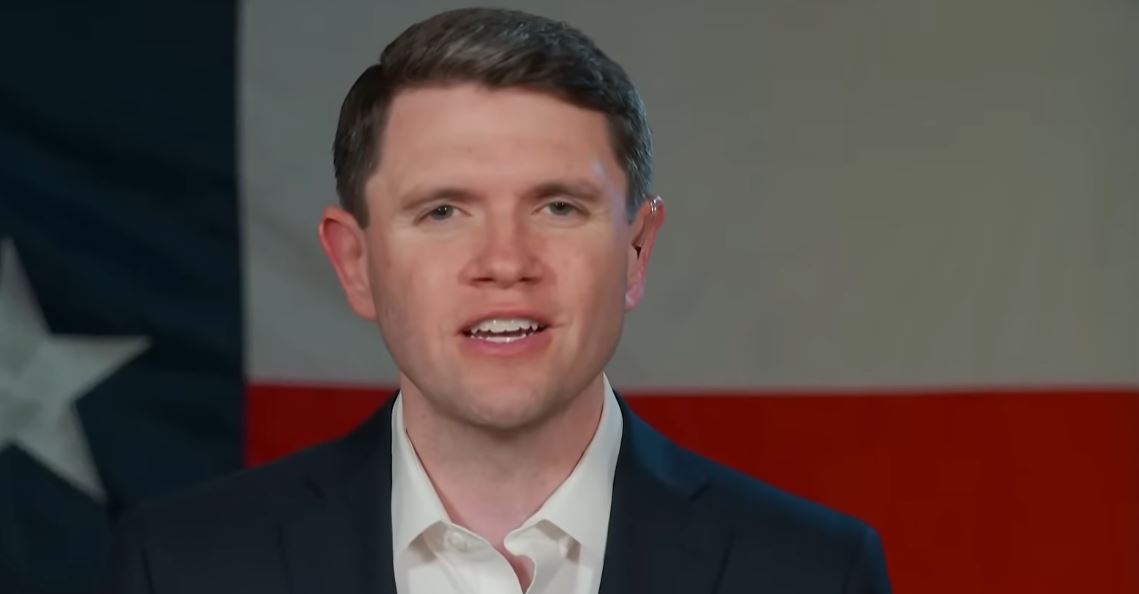
The Talarico Colbert controversy is peculiar because, at first glance, it appeared to be quite quiet. A visitor enters a well-known late-night stage, where the skyline backdrop is frozen in its typical artificial night, and lights are softly glowing. Sitting across from Stephen Colbert, James Talarico spoke calmly, raising his hands occasionally to highlight a point. There was no indication at the time that it would soon be a topic of national debate.
Nevertheless, it was never broadcast on television.
Rather, the interview went viral online and was uploaded to YouTube, where it was nearly instantly viewed by millions of people. Although the change from broadcast to internet seemed insignificant, it had more profound effects. Long regarded as the focal point of political discourse, television now appears wary, even hesitant.
| Field | Information |
|---|---|
| Full Name | James Talarico |
| Born | March 20, 1989 |
| Profession | Politician, Educator |
| Political Role | Texas State Representative |
| Party | Democratic Party |
| Current Campaign | Candidate for U.S. Senate (Texas Primary) |
| Known For | Advocacy on education, democracy, and Christian nationalism debates |
| Media Spotlight | Interview controversy with Stephen Colbert |
| Interview Platform | The Late Show with Stephen Colbert (YouTube exclusive) |
| Reference | https://www.texashouse.gov |
Later, Colbert informed viewers that attorneys had stepped in, cautioning that the interview might be subject to the “equal time” rule of the Federal Communications Commission. This rule, which was first established decades ago, mandates that broadcasters give rival candidates the same amount of airtime. CBS executives might have viewed Talarico’s presence as a risk rather than his words.
Networks nowadays seem to be negotiating invisible boundaries, or lines that aren’t always obvious but are nonetheless strongly felt.
CBS said it only provided legal advice and denied outright blocking the interview. Even with its careful wording and technicality, that distinction didn’t completely ease the tension. There was something raw beneath the corporate language when Colbert responded on-air while holding a printed corporate statement and displaying obvious annoyance.


It’s difficult to overlook how unique that moment was.
Talarico appeared to be aware of the symbolic significance. He presented the dispute as something bigger than television and implied that it was part of a larger attempt to influence political discourse. It is still up for debate if that interpretation is totally accurate. However, his argument gained unexpected credibility when the interview abruptly moved online.
He has risen gradually but purposefully. He established a reputation as a reflective speaker while serving as Texas’s representative in the state legislature, frequently fusing progressive political ideas with religious terminology. Both admiration and skepticism have been directed towards that combination, which is uncommon in contemporary American politics.
When he speaks at campaign events, supporters lean in close and listen with a level of focus that is uncommon at ordinary political events. Authenticity is perceived by some. Others perceive ambition as carefully wrapped.
Everything has been magnified by his Senate campaign.
The Colbert interview’s timing was crucial. The time for early voting was drawing near. Every look had the capacity to influence. Although it’s still unclear if the controversy aided his campaign politically, attention usually gains traction, particularly when it stems from perceived censorship.
Meanwhile, television networks seem more cautious. Decisions are rarely straightforward in this environment due to corporate mergers, regulatory oversight, and political pressure. As this is happening, it seems like media companies are juggling institutional survival with the public interest.
In contrast, there are fewer immediate restrictions on how the internet functions.
The interview was able to continue without violating broadcast regulations because it was posted online. However, it also changed what it meant. Instead of being passively consumed, it became something that viewers actively sought out. The process of looking, clicking, and observing alters perception. It seems more intimate.
The tone of the interview itself wasn’t particularly explosive. Talarico discussed political culture, religion, and democracy. He spoke in a serene, almost introspective tone. However, when spoken at the wrong time, calm words can have disruptive connotations.
The clip’s rapid dissemination is revealing in some way.
Millions of people watched it because they thought it was hidden, not because it was.
It gained strength from that sense of something almost repressed.
As his lengthy tenure as host came to an end, Colbert appeared unusually open about the matter. He wasn’t acting out his frustration. It was authentic. The complex role that late-night hosts now play was made clear by watching him negotiate corporate restrictions while still speaking directly to viewers.
Entertainer in part. A commentator in part. partial worker.
The future of Talarico is still up in the air. Campaigns for the Senate are challenging, particularly in Texas. It has been decades since Democrats won statewide. However, his unexpected rise to prominence raises the possibility of a deeper change.
Another question is whether that change results in electoral success.
One interview might not even be the subject of the deeper story.
It might have to do with the subtle ways in which power shapes what viewers see—and don’t see.