

 8:21 pm - April 10, 2026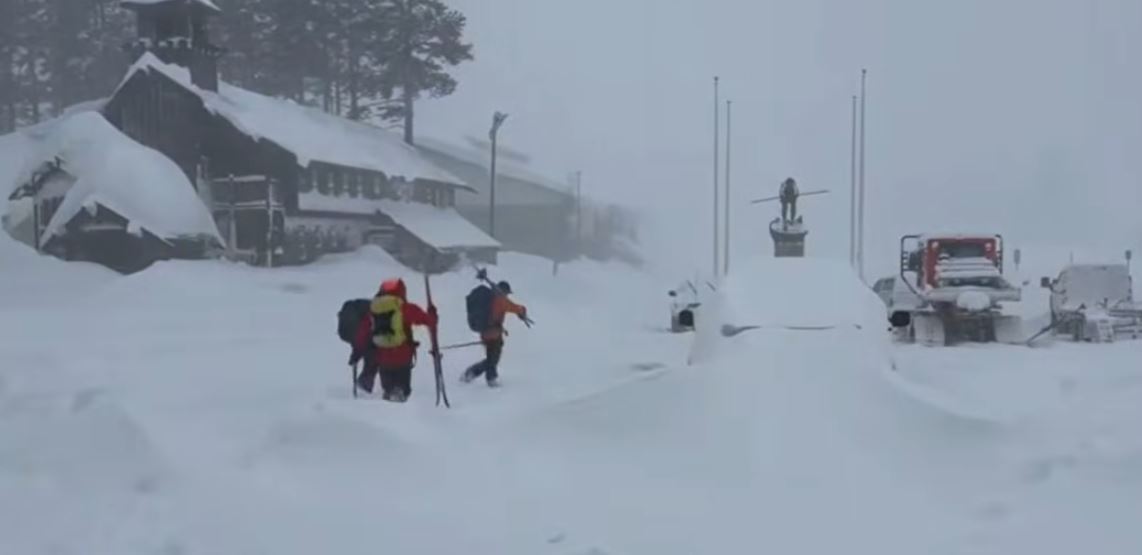
As is often the case, the avalanche started almost without any prior notice. At one point, a group of skiers was traversing the steep slopes close to Lake Tahoe, the snow beneath their skis being soft and enticing. The mountain moved the next instant. Snow split, then sped up, combining fear and gravity into one unstoppable movement.
Six people made it out alive. Nine remained unaccounted for.
Castle Peak, a location that backcountry skiers talk about with a mix of respect and caution, was hit by the slide. With a height of over 9,000 feet above sea level, it provides expansive landscapes and breathtaking views. Locals, however, are also aware of something else. After storms, the slopes retain tension, particularly when heavy snowfall quickly builds up on top of weaker layers.
| Field | Information |
|---|---|
| Event | Castle Peak Backcountry Avalanche |
| Date | February 17, 2026 |
| Location | Castle Peak, near Truckee, north of Lake Tahoe, California |
| People Involved | 16 backcountry skiers (4 guides, 12 clients) |
| Survivors | 6 rescued |
| Missing | 9 skiers still unaccounted for (initial reports varied) |
| Snowfall | Up to 40 inches in surrounding areas |
| Wind Speeds | Up to 80 mph |
| Rescue Teams | 46+ emergency responders and ski rescue teams |
| Avalanche Warning | High danger warning issued before incident |
| Reference | https://www.sierraavalanchecenter.org |
The storm had already dumped feet of new snow that morning. Winds that were close to 80 miles per hour screamed across the ridgelines. Avalanche forecasters had issued explicit warnings while keeping an eye on the weather charts. Extremely dangerous. Stay out of the backcountry. The group might have thought that the risk would be mitigated by their guides and experience.
Their three-day guided tour was coming to an end.
Then everything changed around 11:30 a.m.


The actual avalanche was more than just a snowfall. Large enough to destroy trees and alter the slope, it was a force that could completely bury people. Later, survivors spoke of hiding under tarps and waiting in silence amid what appeared to be wreckage rather than snow.
The mountain resisted the swift movements of the rescue crews. Despite the blizzard, 46 responders persevered, including snowcat crews and specialized ski patrols. Helicopters were unable to fly. White emptiness sank into visibility.
The act of avalanche rescues has an eerie quality. Time acts differently. Experts frequently state that after 15 minutes in the snow, survival chances drastically decline. There are stretches of hope and realism every second.
Two of the skiers who were saved required medical attention. Shaken, the others watched as rescuers dug.
Snow was waist deep where I stood close to the search area. Its weight caused trees to bend. The mechanical sound of rescue equipment was the only sound to break the strange muffled quiet that follows a storm. It’s difficult to ignore how tiny people appear in comparison to such landscapes.
The exact cause of the avalanche is still unknown. It can occasionally be the weight of fresh snow. The wind can change. A lone skier may occasionally cross the incorrect area. It’s frequently a combination that nobody can completely predict.
History is ingrained in Castle Peak itself. For many years, the neighboring Donner Summit—named for the pioneers who were trapped there during the winter of 1846—has represented both risk and ambition. Under the guise of GPS and contemporary equipment, that tension still exists today.
In recent years, backcountry skiing has become more popular, in part because ski resorts seem crowded and regulated. Skiers talk about unspoiled snow and freedom. However, exposure is a prerequisite for freedom in the mountains. Avalanche barriers are absent. No safety nets.
Even trees wouldn’t ensure safety, according to avalanche forecasters. People could be carried by snow as it swept through forests.
The Nevada County Sheriff’s Office Captain Russell Greene stated unequivocally that it was not recommended to travel in such conditions. But people continue to go.
For people who spend enough time in extreme environments, risk seems to become the norm. Confidence comes from familiarity. Too much at times.
In addition to closing schools and highways, the storm that caused the avalanche also grounded airplanes. Whole towns stopped. Rescue crews continued to work, however, far above those towns, taking care to prevent another slide.
In the US, avalanches claim the lives of 25 to 30 people every year. Skiers with experience, not novices, make up the majority of victims. Those who are not familiar with mountain culture are always surprised by that fact.
Experience is beneficial. However, it does not ensure survival.
As this is happening, it seems like avalanches test something more fundamental than readiness. They cast doubt on presumptions. the conviction that nature can be completely controlled by skill.
Time now passes differently for the families of the missing. Rescuers keep looking for clues by probing the snow. Once more silent, the mountain conceals its answers.

