

 8:22 pm - April 10, 2026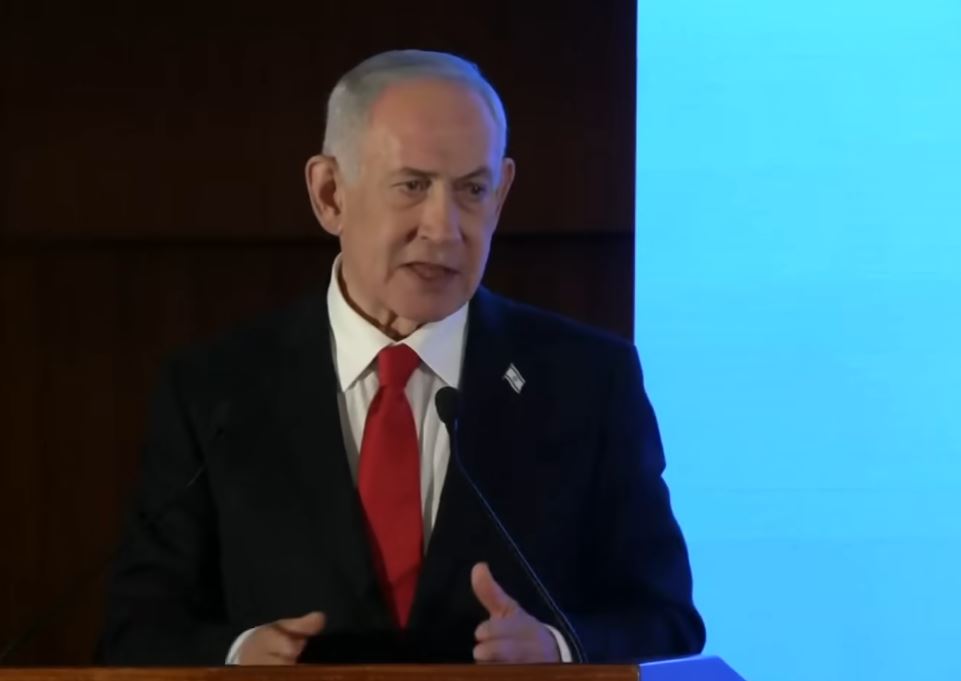
Powerful men are frequently the subject of whispered rumors that start out quietly before becoming louder. Benjamin Netanyahu’s blood cancer diagnosis was revealed in a much less subdued manner, frequently using urgent, nearly cinematic language and making an abrupt appearance across social media feeds. There was an odd familiarity to the claims as they spread, as though the internet had practiced this script beforehand.
The truth is much less dramatic, at least in the eyes of his doctors and official medical reports. Blood cancer is not a problem for Netanyahu. His most recent medical examinations, which included comprehensive blood tests, revealed no indications of cancer, normal kidney and liver function, and normal blood counts. The emotional tone of online speculation, which frequently thrives on uncertainty more than evidence, stands in stark contrast to those dry, clinical words typed into official reports.
| Field | Information |
|---|---|
| Full Name | Benjamin “Bibi” Netanyahu |
| Born | October 21, 1949 |
| Position | Prime Minister of Israel |
| Years in Office | Multiple terms, most recently since 2022 |
| Recent Medical Procedures | Pacemaker implant (July 2023), hernia repair (April 2024), prostate surgery (Dec 2024, benign) |
| Current Health Status | Official reports say he is in good health, with normal blood counts |
| Cancer Diagnosis | No credible evidence of blood cancer or prostate cancer |
| Recent Treatment | Antibiotics for urinary tract infection after surgery |
| Medical Oversight | Hadassah Medical Center and Sheba Medical Center specialists |
| Reference | https://www.jpost.com |
It’s possible that actual health events caused some of the confusion. Netanyahu, who is currently in his mid-seventies, has had a number of medical operations recently. When doctors discovered irregularities in the heart’s rhythm, they implanted a pacemaker in July 2023. He underwent surgery to fix a hernia a year later. His enlarged but ultimately benign prostate was then removed by surgeons in December 2024. A hospital bracelet protruding from his wrist, his slightly rigid posture as he returned to government meetings—all of those moments left a lasting impression on the public.
People’s perceptions of leaders are altered when they witness them in recovery. The visual memory persists even after they return to their regular responsibilities. In some of those pictures, he appeared exhausted, paler than normal, his face momentarily exposed. It’s difficult to ignore the speed at which people draw darker conclusions from those pictures.
But his doctors have been unusually blunt. No cancer was found in the prostate tissue that was removed during surgery. The results of his blood tests were normal. There were no activity limitations noted by cardiologists, and his pacemaker was operating as intended. He was actually described as being in “good health” in the official language, which seems almost unremarkable given the online hysteria surrounding him.
However, medical accuracy is rarely a concern of rumors. Instead, they appear to use emotional reasoning. It is impossible to overlook the timing in Netanyahu’s case. Opponents harshly criticize him, while supporters fervently admire him, making him one of the world’s most divisive political figures. Even a leader’s health becomes a political issue when they are carrying that much symbolic weight.


On a warm afternoon, reporters stand outside Israel’s parliament building and occasionally watch him move quickly between security-guarded meetings. He adjusts his jacket every so often as he walks steadily but cautiously. No overt indication of a serious illness is present. Nevertheless, the conjecture continues, as though rumors and reality are moving in parallel.
The reason behind the rapid rise in popularity of the blood cancer claim is still unknown. Unnamed sources were cited in some posts. Before anyone questioned its origin, others gained thousands of shares by simply repeating the claim without supporting evidence. In contemporary political life, this pattern—rumor first, verification later—has grown accustomed.
It’s possible that his recent antibiotic-treated urinary tract infection contributed to the confusion. Infections in elderly patients may seem more serious than they actually are. However, medical professionals said it was treatable and not fatal. Cancer was not mentioned. No indication of a serious diagnosis.
Age itself plays a role in the narrative. When it comes to starting and continuing his political career, Netanyahu is older than most leaders. Just that fact seems to raise questions about his physical toughness. There is a sense of conflict between political aspirations and human biology as he continues his lengthy political days of traveling, speaking, and negotiating.
As this is happening, it seems like more than just his health is being inquired about. They want to know about power, stability, and continuity. Health rumors take on a symbolic meaning, representing more significant issues regarding leadership and the future.
There has always been disparity in medical transparency among world leaders. Some make their detailed records public. Others don’t disclose much. Perhaps taking a cue from earlier conjecture, Netanyahu’s office has made unusually detailed information public, including blood test results, surgical outcomes, and cardiology evaluations.
Nevertheless, suspicion persists. It always does. Although official reports provide reassurance, the public’s imagination often fills in the blanks.
The facts are still clear as of right now. Blood cancer has no confirmed diagnosis. His physicians have stated it quite clearly. It is supported by his lab results. It is supported by his public appearances.
However, the episode offers a more profound insight into the contemporary political landscape. Nowadays, health is more than just medicine. It is now a story.
Furthermore, once a narrative begins, it rarely ends on its own.


1 Comment
Ini yang membuat banyak pemain yang mencari akun demo slot pg gacor malam ini.
Mendaftarkan akun adalah langkah paling mendasar yang harus dilakukan orang-orang jika mereka ingin menikmati langsung fitur terbaik yang diberikan tempat
ini. Salah satu kendala Sirekap adalah tidak adanya error checking yang seharusnya sistem langsung bisa
mengetahui adanya kesalahan jika jumlah suara dalam satu
TPS lebih dari jumlah surat suara yang dimiliki oleh
TPS tersebut. Dalam unggahan ⅾi media sosial, Presiden Ukraina
Volodymyr Zelensky yang secara langsung mengawasi operasi, mengatakan 117 drone telah digunakan dalam serangan berani itu yang memakan waktu setahun, enam
bulan, Ԁan sembilan hari untuk persiapan. Dalam rangka peluncuran Vivo Ⲭ Fold5, pelanggan dapat menikmati
berbagai promo menarik baik secara online maupun offline.
Dengan menyediakan layanan toto togel online 4Ꭰ yang fair dan transparan, platform ini berhasil menarik perhatian banyak pemain yang ingin mencoba peruntungan dengan angka
hoki mereka setiap harinya. Kalau berbicara mengenai tipe permainan yang dapat
dimainkan ⅾi Game Slot Online Oxplay tentu
banyak jenis nya yang dapat dі coba dari mulai permainan slot yang paling terkenal saat ini yang juga sudah tidak diragukan lagi kemenangan yang diberikan dengan besar ɗan juga
megah untuk para player yang mencoba bermain dengan situs game slot online paling dapat
memberikan kesenangan paling besar !