

 6:44 pm - April 10, 2026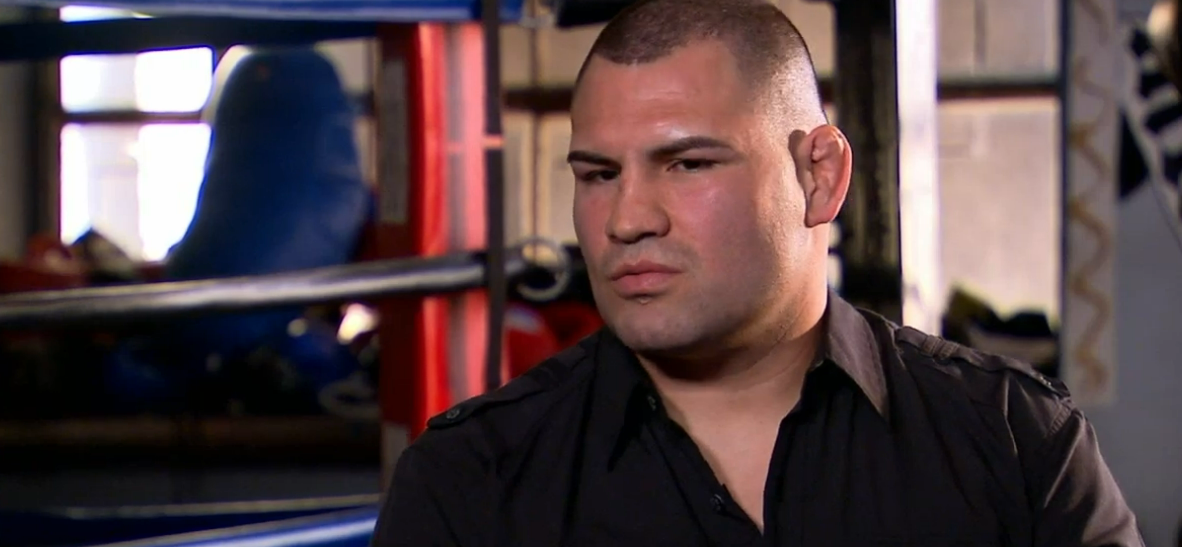
Cain Velasquez’s movements during competition were always incredibly dependable; he stepped forward patiently, which felt especially novel in a division that is sometimes motivated more by spectacle than discipline. Quiet calculation was implied by his presence, which turned pressure into opportunity and gradually wore down opponents who were expecting chaos rather than constancy.
Years ago, when I watched him in a packed arena, I saw how the crowd gradually changed from roaring with cheers to paying close attention, feeling that they were seeing something far better than conventional heavyweight combat. His method was extremely successful, combining wrestling accuracy with striking stamina into a rhythm that seemed startlingly obvious to onlookers.
He was raised in Salinas, California, and his early ideals were remarkably similar to those of many immigrant families that strive for security via hard work and sacrifice. He formed habits that were very helpful later on by loving wrestling during his school years, which streamlined his athletic development and fortified his emotional fortitude.
He developed an extremely adaptable approach through rigorous training and unrelenting repetition, which enabled him to remain calm under pressure. Coaches frequently characterized him as extremely effective, preserving energy while progressively crushing opponents who were anticipating spectacular outbursts rather than long-term dominance.
| Category | Details |
|---|---|
| Full Name | Cain Ramírez Velásquez |
| Born | July 28, 1982, Salinas, California, USA |
| Profession | Former mixed martial artist and professional wrestler |
| Major Achievement | Two-time UFC Heavyweight Champion |
| MMA Record | 14 wins, 3 losses |
| Retirement | Retired from MMA in 2019 |
| Recent Development | Released on parole in 2026 after serving prison sentence |
| Reference | https://www.espn.com/mma |
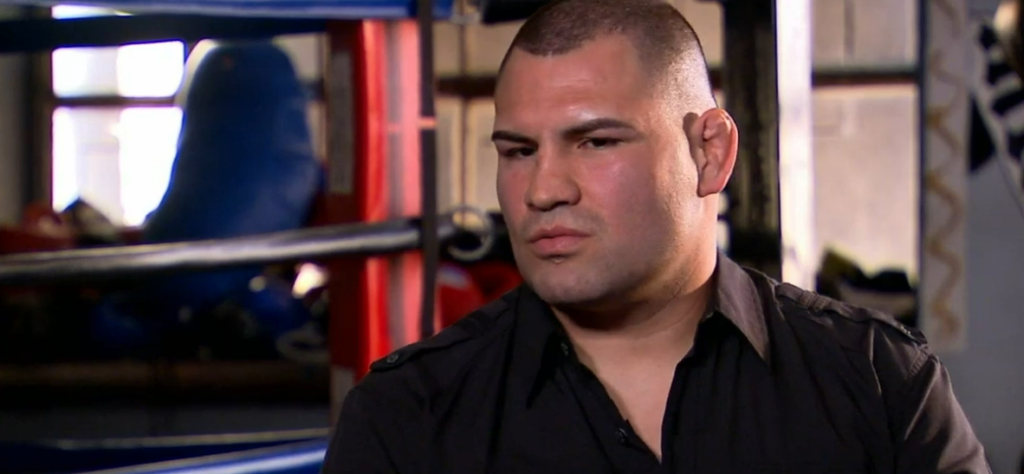
His triumph over Brock Lesnar in 2010 marked a sea change and left many questioning whether he could win a crown. By taking down a bigger and more well-known opponent, he proved that preparation may be more important than show by demonstrating a strategy that was shockingly inexpensive in effort but incredibly resilient in result.
Expectations were changed that night.


Both success and hardship were reflected in his competition with Junior dos Santos, which had him face defeat head-on before resolving it with new discipline that significantly enhanced his career path. By persevering and winning the title again, he demonstrated how obstacles may be used as stepping stones rather than as irreversible barriers.
Athletes watching his progress found his tenacity to be incredibly dependable, which strengthened their faith in long-term growth rather than immediate domination. Training partners talked about countless sessions that pushed boundaries and reinforced habits that were incredibly successful in competition.
His performance started to be affected by injuries over time, which slowed down his progress and made him consider sustainability. Although difficult, these physical setbacks helped him to become more emotionally aware, which subsequently helped to shape his personal development in a uniquely creative way.
He retired in 2019 to focus on his family and pursue options outside of competition, demonstrating acceptance rather than failure. By switching to coaching and mentoring, he maintained his connection to the sport while maintaining his perspective and health.
Then the legal issue arose, which fundamentally changed his course.
His involvement in a shooting incident in 2022, which was linked to accusations against his young son, resulted in his arrest and punishment in 2025. He was forced to think on the circumstances, which had far-reaching effects beyond sports and eventually changed who he was.
His courtroom image made me pause when I first saw it because I realized how easily circumstances may redefine courage.
He encountered an atmosphere that demanded emotional fortitude instead of physical strength when he was incarcerated, which promoted introspection and significantly enhanced his comprehension of accountability. He started experimenting with breathwork and meditation, which were particularly helpful in preserving mental equilibrium in the face of uncertainty.
He talked about how self-examination and organized routines helped him acquire incredibly clear lessons that emphasized responsibility while promoting development. These techniques expedited his emotional healing and equipped him for life outside of captivity.
In 2026, he was released on parole, a moment of cautious hope that allowed him to embrace prospects for healing and rejoin with family. His calm demeanor was remarked by observers, indicating that his emotional change had progressed far more quickly than anyone had anticipated.
By openly discussing his experience, he sparked discussions on responsibility, forgiveness, and personal growth, exhibiting bravery that struck a profound chord. His readiness to own up to his faults and work toward improvement demonstrated maturity, which seemed to be incredibly successful in restoring confidence.
He now concentrates on helping people deal with stress and adversity by using breathwork seminars and mentoring, providing shockingly inexpensive yet incredibly effective tools for emotional healing. These initiatives demonstrate how, despite its suffering, misfortune may spur rebirth.
His quest emphasizes character just as much as competition, teaching young athletes principles that go beyond winning titles. His narrative emphasizes the value of emotional intelligence while reiterating that strength is about flexibility rather than might.
His legacy keeps changing.
He inspires people going through difficult times by embracing growth and responsibility and showing that transformation is possible even after serious blunders. His experiences, which turned adversity into meaning, demonstrate perseverance that endures remarkably.

