

 9:40 am - April 1, 2026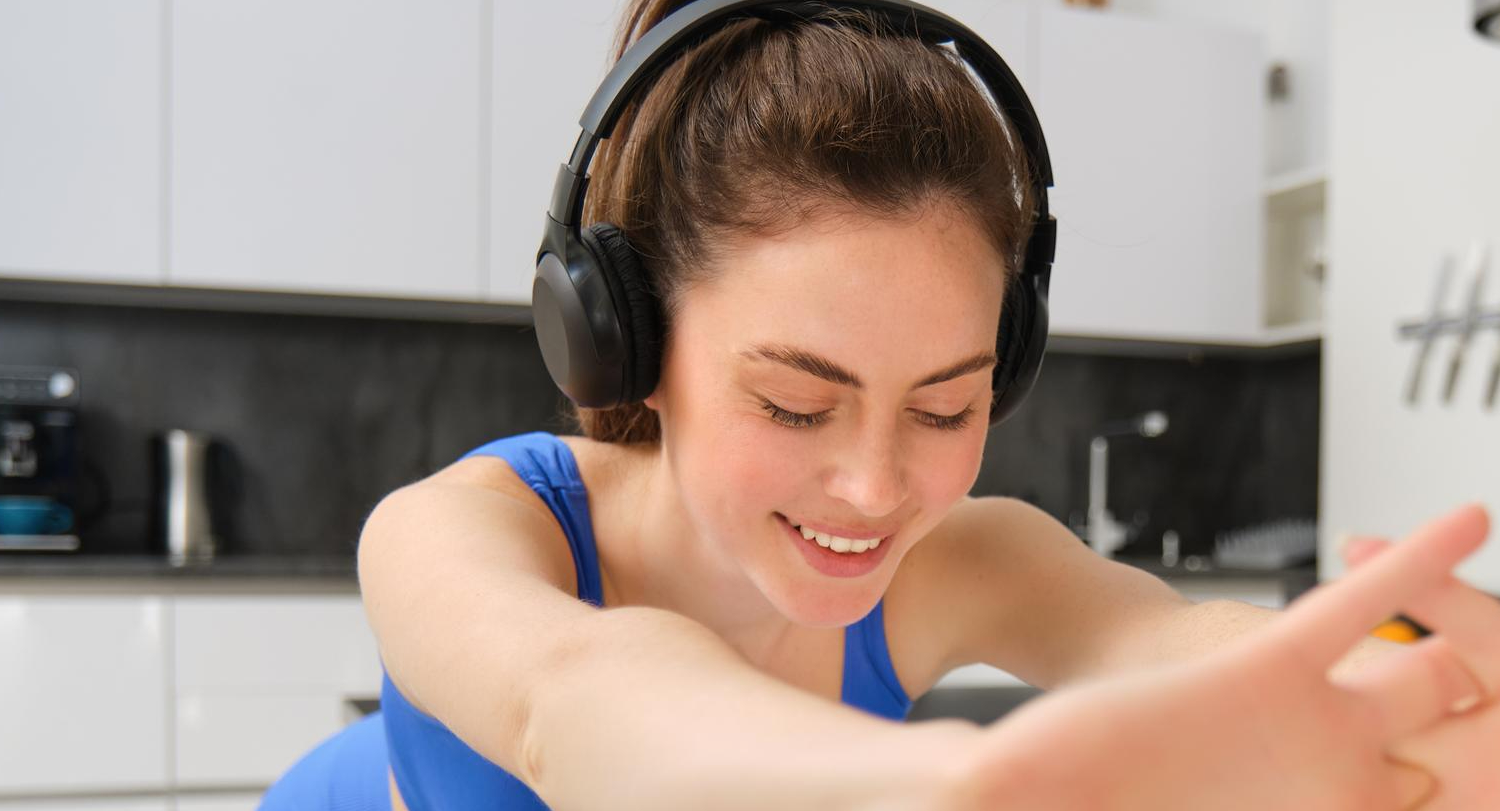
If time were money, most of us would be broke. It can seem ridiculously impractical to set aside an hour for exercise in the middle of household responsibilities that last into the evening and meetings that keep popping up. Amidst this hectic schedule, however, a novel and succinct concept has surfaced, and it is backed by the subdued authority of Mayo Clinic researchers.
There are no short cuts in the 15-minute workout they advocate. It gives everything structure. In contrast to gym showmanship, this approach is based on functional, efficient mobility and is designed as a circuit that combines aerobic movement and resistance training. Furthermore, it doesn’t require a lot of room, complex machinery, or memberships. For a lot of people, that distinction is crucial.
While maintaining heart rate, the exercise works important muscle groups by working in short, focused bursts of 30 seconds of effort followed by 30 seconds of relaxation. In place of lengthy treadmill slogs, try exercises like squats, push-ups, resistance band rows, and high knee skips. When proper warm-ups and moderate cool-downs are added, the format becomes a condensed technique that targets both stamina and strength.
The Mayo Clinic’s suggestions are especially based on accessibility. To see results, three to four sessions per week are sufficient, especially when paired with easy bike rides or walks outside. The objective is sustainability, not dominance.
| Topic | The 15-Minute Workout Backed by Mayo Clinic Researchers |
|---|---|
| Research Institution | Mayo Clinic Health System |
| Core Focus | Short, high-intensity circuit training using resistance bands and bodyweight |
| Recommended Frequency | 3–4 times per week |
| Target Muscles | Glutes, quads, hamstrings, core, biceps, triceps, back, shoulders |
| Key Equipment | Resistance band, dumbbells, stability ball |
| Primary Benefits | Heart health, weight control, improved metabolism, mental clarity |
| Suitable For | Busy individuals, remote workers, beginners to intermediate fitness levels |
| External Reference | Mayo Clinic Health System |
The program tackles areas that are commonly neglected in short exercises by using clever sequencing. The arms and core are emphasized, as are the glutes and hamstrings. Additionally, the back and shoulders are not neglected. The program is unique because of this methodical approach, which turns it from a YouTube fad into something with physiological and medical roots.
Writing, stretching, and sleeping are just a few examples of high-performing routines that I discovered to be quite similar in that consistency frequently wins out over intensity. Additionally, this workout makes it seem possible to be consistent. No fear, no protracted recuperation, and no daunting entrance barrier are present.
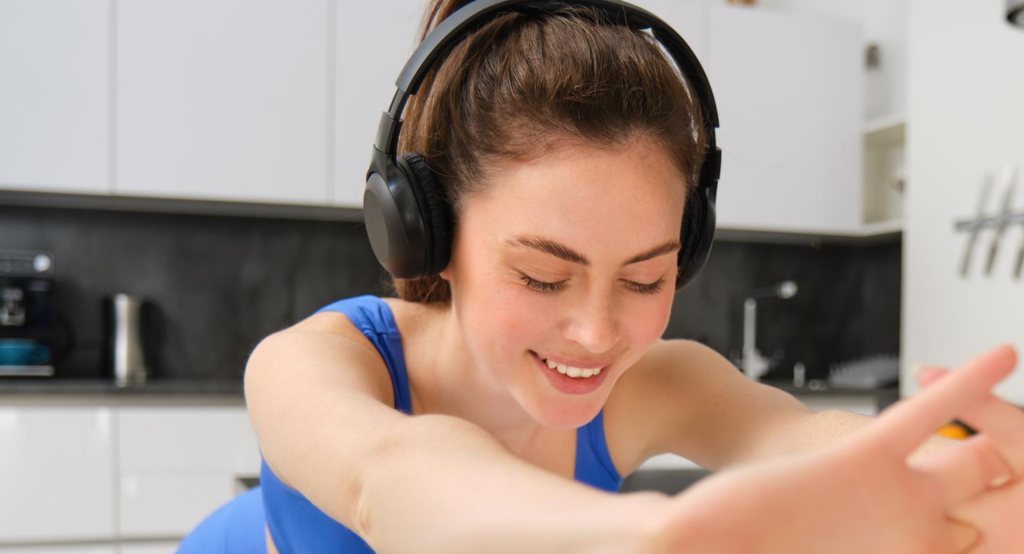
The method works remarkably well at eliminating excuses. You won’t have to deal with traffic on your trip to the gym, wait for equipment, or worry about feeling uncomfortable. You spread a mat out, wrap a resistance band around a strong table leg, and get started. Exercise on your own terms.


I recall stopping when I read the Mayo Clinic’s recommendation that “pain, dizziness, or shortness of breath are signs to stop.” Rather than imposing unrealistic fitness dreams on your body, it seemed more like permission to listen to your body than direction.
By utilizing circuit design, the exercise not only increases muscular mass but also produces metabolic benefits that last longer than the allotted fifteen minutes. Improvements in the circulatory system build up over weeks, and muscles continue to burn fat after that. It’s a clever use of limited time that represents a rising change in our perspective on health—not as a show, but as a silent investment.
It is especially pleasant that the equipment list is so straightforward. Now readily accessible online or at neighborhood pharmacies, resistance bands are shockingly inexpensive and remarkably adaptable. For individuals who want a greater challenge, dumbbells, if utilized, provide resistance. Additionally, although it is optional, a stability ball improves balance and allows for a deeper core engagement.
Your schedule is respected during this workout. It can be done in between emails, after school, or even during a noon break. That is engineering rather than marketing. designed to meet you where you are, without pressuring you into a hyperoptimized regimen that breaks down the moment real life appears.
Crucially, the Mayo Clinic emphasizes taking it slow. It’s an attitude as much as good medical advice. Develop gradually. Let improvement show in your energy, posture, or the ease with which you handle your grocery bags. These are the important momentum indicators.
When a coworker recently admitted that she hadn’t worked out in more than a year, I suggested the 15-minute circuit, assuming she would dismiss it. Rather, she sent me an email three days later to inform me that she had finished it twice and felt surprisingly good about it.
I became aware at that very instant of how well this format lowers the barrier. Together, the authorization to begin small, the adaptability to change, and the medical validation make this a particularly creative solution to a prevalent issue.
These mini-workouts frequently serve as stepping stones to more effective regimens, which goes beyond fitness. After a week or two, many people notice that they are sleeping better or that they are reaching for water at 3 p.m. instead of coffee. That is the result of cumulative impact, not chance.
With regular practice, these 15-minute routines progressively replace sedentary tendencies with movement that is both extremely effective and pleasantly non-performative. The recording of reps is not the point. It is important to keep in mind the abilities of your body.
The structure’s forgiving nature increases the advantages for those starting over. If you miss a day, you won’t feel guilty. You just start from scratch. Additionally, it provides a strong maintenance tool for experienced exercisers, particularly when traveling or under pressure and lengthy gym sessions are not practical.
By shedding the illusion of perfection and substituting presence, the method has significantly enhanced people’s perceptions of fitness. You don’t have to “go to the gym.” Simply show up for fifteen minutes in your living room, on your mat.

