

 9:41 am - April 1, 2026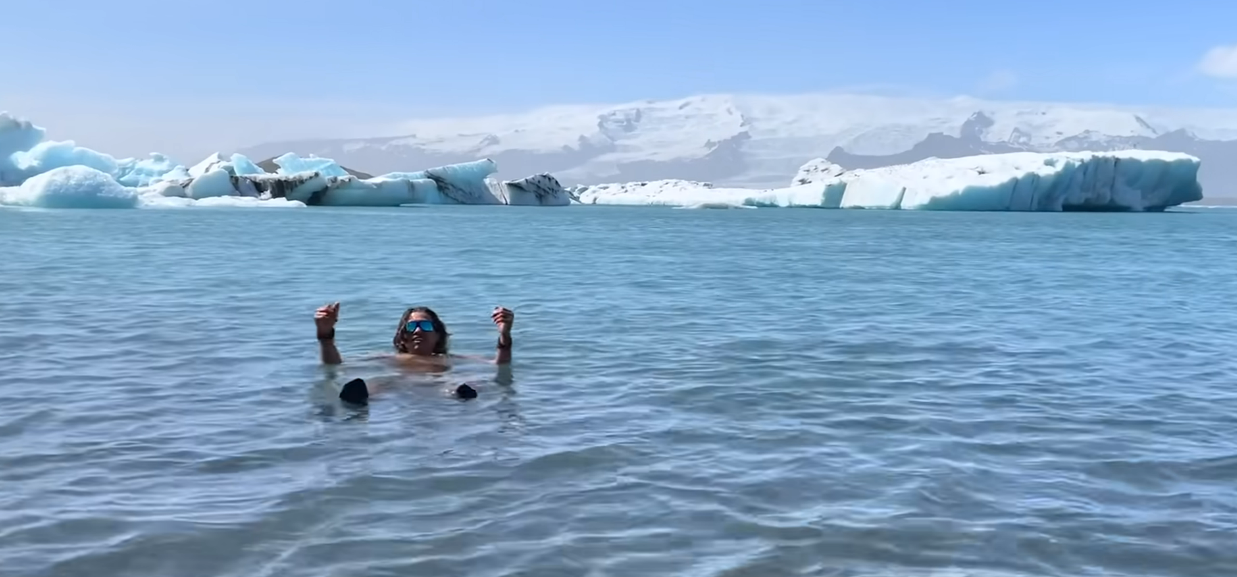
The first time I witnessed someone fully submerging themselves in a tub full of ice chunks, it wasn’t on YouTube or at a wellness retreat; rather, it happened behind the scenes at a university research lab where scientists, purposefully barefoot and methodical in their speech, explained what happens when the human body comes into contact with extremely cold water.
It can feel like leaning into a winter gust that won’t let up to those who have never done it before. Breathing becomes difficult. The body flinches out of instinct. Although initially perceived as discomfort, this sensation is now recognized as a physiological stimulation with strong potential advantages.
Athletes and outdoor enthusiasts have long asserted that cold exposure, when used purposefully and sensibly, can be especially good for the body and mind. Clinical observations from health systems like the Mayo Clinic and studies published by publications like the PLOS One journal have accumulated a body of evidence supporting this claim over the past few years.
| Key Aspect | Details |
|---|---|
| Practice | Cold plunges, ice baths, cold showers (45–59°F typical range) |
| Core Mechanism | “Cold shock” response triggering norepinephrine, dopamine, endorphins |
| Mental Effects | Improved alertness, reduced stress markers, possible anxiety reduction |
| Physical Recovery | Reduced inflammation and muscle soreness after intense exercise |
| Metabolic Impact | Activation of brown fat and increased metabolic rate |
| Cellular Effects | Release of cold shock proteins linked to cellular resilience |
| Research Status | Growing evidence base; optimal duration and frequency still under study |
| Safety Note | Gradual exposure advised; caution for heart or circulation conditions |
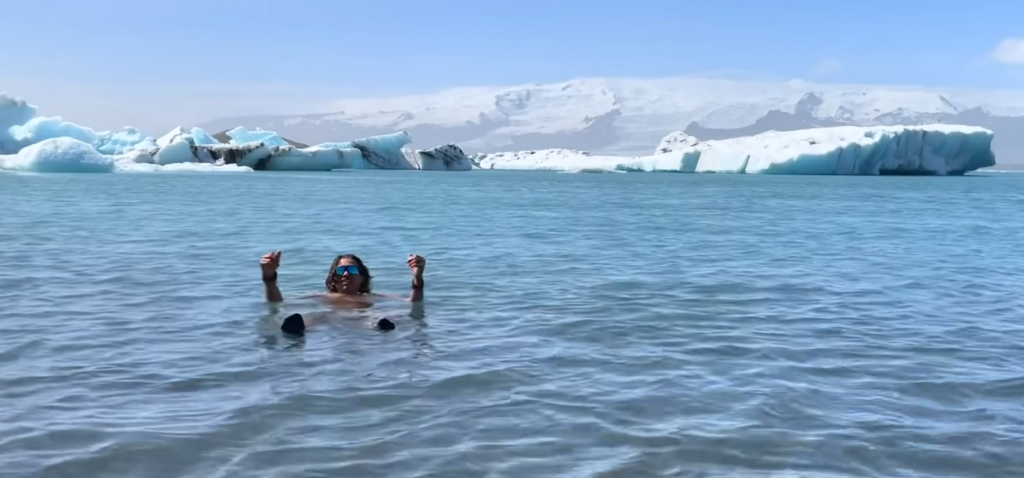
The sensation of submersion in water that is between 45 and 59 degrees Fahrenheit is not ignored by your body. Instead, it reacts by sending out a series of neurochemical signals, such as an increase in dopamine and norepinephrine, which provides a long-lasting boost to mood and alertness that lasts considerably longer than the brief bath. It’s not merely a shock. There is a cascade.
According to research, this “cold shock” reaction can lessen cytokines and other pro-inflammatory substances that cause painful muscles after intense exercise. Being able to recuperate with much less discomfort might be a game-changer for individuals who lift weights or train frequently, cutting down on the amount of time they need to use painkillers.
There is more. A form of fat found in human bodies known as brown adipose tissue, or brown fat, generates heat by burning energy. This tissue is activated by cold exposure, and although it doesn’t make your metabolism a torches-in-minutes furnace, it does offer the metabolic engine a mild, steady jolt. Together with changes in hormones, that pushes glucose regulation in a path that many researchers find promising.


Cold therapy is also receiving scientific interest for its potential advantages to mental health. While it may sound like wellness marketing, research suggests that a dip in cold water might improve mood and focus. In certain studies, following multiple sessions, individuals reported increased cognitive clarity and higher stress resilience. Only recently have the intricate physiological mechanisms—autonomic nervous system function and long-term neurochemical changes—been precisely defined.
However, the study acknowledges its limitations. The idea that cold exposure alone will cure melancholy or anxiety is still unproven, despite some research showing slight improvements in mood and sleep, which are frequently more noticeable in men than in women. Results differ by methodology and by individual. That nuance, however, only frames the promise; it does not lessen it.
Effects vary with dosage and are influenced by individual tolerance. Hundreds of volunteers participated in one study, which revealed that significant mood changes happened hours after immersion rather than right away. Like a whispered suggestion, the cold seems to have triggered an internal adjustment that happens gradually rather than all at once.
Furthermore, the therapy is not risk-free. The cardiovascular system is suddenly strained when intentionally exposed to frigid temperatures. People who already have heart problems, high blood pressure, or circulation issues should only take the plunge under medical supervision. Even though they are uncommon in controlled environments, hypothermia and cold-induced arrhythmias are risks that highlight the necessity of cautious use and cautious progression.
Researchers and doctors outline regimens that emphasize gradation: begin with short exposures to cool water, concentrate on breathing under control, and increase exposure duration as tolerance increases. According to some experts, a weekly total goal of approximately eleven minutes of cold immersion spread across multiple sessions is a fair starting point for attaining advantages without taking unnecessary risks. Extremes are not relevant here. The key is adaptation.
When I asked a doctor what astonished him the most about these findings, he stopped and then said, silently considering how quickly a controlled stressor like cold might trigger systems-level reactions that are often the focus of medication.
His words were remarkably straightforward and realistic: “What we perceive is not magic. It is physiology’s intentional response to a problem that most people hardly ever face.
This small distinction is important because it maintains the discussion’s scientific foundation rather than its spectacle-based one.
Cold exposure has proven to be a very successful supplement to other wellness activities, yet it may not be a universally recommended treatment. It provides relief from post-exercise discomfort, which can help people stick to their training schedules. The exercise can be used as a daily reset for anyone looking for a disciplined habit that fosters mental clarity. Once you’ve adjusted, it can be an energizing shock that breaks mental stagnation.
There are also fascinating signs that exposure to cold causes cellular reactions involving cold stress-activated proteins, often known as cold shock proteins, which work to repair cellular damage. These reactions may help promote healthier cellular aging, according to some preliminary research, although this field is still in its infancy and needs more focused investigation.
The general trend from various studies that shows that cold exposure does not have to be used alone is still positive. It seems to enhance some advantageous physiological processes rather than inhibit them when incorporated into a larger healthy lifestyle, which includes regular exercise, a balanced diet, and enough sleep.
Researchers are currently determining the ideal “dose” for various demographics, such as older persons interested in metabolic health, athletes focused on recuperation, or people looking to improve their mood. How the body adjusts to repeated exposure to cold is influenced by age, gender, and lifestyle factors. Instead of leading to hazy conclusions, those variables raise additional specific questions, which enriches rather than muddies the science.
That accuracy is exactly what this new field requires.
Discovering what indigenous societies and traditional healers have long done—embracing discomfort as a stimulant rather than a punishment—has a long history in medicine. Saunas in Scandinavia. Rivers in Japan are cold. Sunrise sinks in the Mediterranean sea. Beyond clinical boundaries, these have cultural resonance, and science is now starting to view them as a component of a tapestry of adaptive stimuli that the human body might exploit to sustain resilience.
Therapy involving cold exposure is not a panacea. It is a tool whose effects are quantifiable, changeable, and developing with increasing context and modest confidence through research.
That’s not only encouraging for both believers and skeptics for that matter. It’s convincing. It is possible that we are on the verge of combining traditional methods with contemporary research in ways that improve health outcomes without superfluous complication.

