

 3:45 pm - March 30, 2026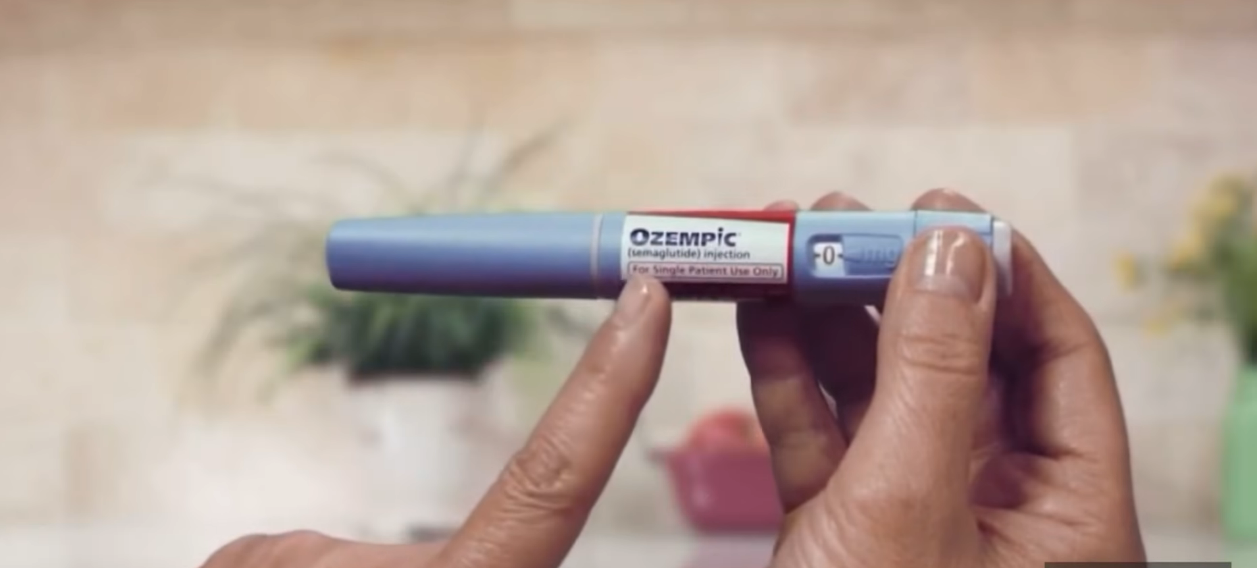
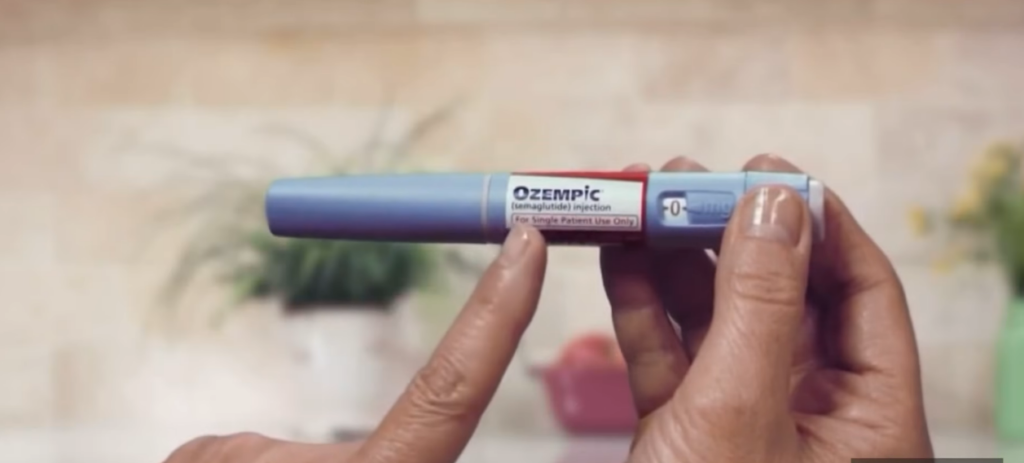
For a while, Novo Nordisk controlled the story. Not only was Ozempic a medication, but it also became a symbol of lifestyle. Subtly, it changed from being a diabetes drug to a topic of discussion at industry conferences and gatherings. The tale got more intense when weight loss came into play.
A significant market reset resulted from Ozempic’s patent lapse in Canada. Rapid action was taken by generic producers, especially those in Toronto and Montreal, who produced semaglutide alternatives that were remarkably inexpensive even when they were first introduced. A $1,000 monthly could potentially be reduced to $50 or less.
The change was symbolic as much as it was economic.
It appeared as though Novo was giving up a battlefield by purposefully allowing the Canadian patent to expire while protecting higher-margin regions like the US and the EU. However, other nations with impending expirations were able to follow suit because of the ruling. Excitement is growing in Brazil and India. The chance to receive treatment that can change their lives at affordable costs feels long overdue to many residents of these areas.
| Topic | Detail |
|---|---|
| Original Drug | Ozempic (semaglutide), developed by Novo Nordisk |
| Function | GLP-1 receptor agonist for diabetes, widely used for weight loss |
| Patent Status | Expiring in markets like Canada, India, China, and Brazil |
| Major Rivals | Mounjaro (tirzepatide by Eli Lilly), Wegovy, Zepbound, generics |
| Estimated Market Value | $11B (2026); projected $16.5B by 2029 (Ozempic alone) |
| Side Effects | Nausea, fatigue, GI issues; rare adverse events with compound versions |
| Regulatory Landscape | U.S. patents valid until ~2031–2035; loopholes exploited by compounders |
| Link | Yahoo News on Generic Ozempic |
In the meantime, Eli Lilly is not merely following Novo; it is speeding up.
Lilly’s combination GLP-1 and GIP medication, Mounjaro, has shown remarkable efficacy. Comparing semaglutide to other medications, participants in recent studies reported more fat loss and less gastrointestinal problems. In several metropolitan U.S. regions, Novo’s market share has been considerably diminished by its increasing acceptance.
And the fresh arrivals are even more interesting.


In an effort to eliminate needles completely, Pfizer is creating a tablet version. For those who were previously afraid of injections, oral GLP-1s may prove to be a more approachable starting point due to their great versatility. Those who are managing several diseases or are elderly may find this modification especially helpful.
Not all of the players, though, are playing clean.
A loophole is being used by compounding pharmacies in the United States. They can only manufacture semaglutide during declared shortages, per FDA guidelines. Demand, however, has produced a gray market, one that is rife with dubious compositions and deceptive labels. Compounded versions have been reported to cause negative effects such as unexpected acne and persistent nausea. Despite not making headlines just yet, that anecdotal evidence is compelling.
In order to close this gap, authorities must strike a careful balance. Allowing access seems morally necessary on the one hand. Patient safety, however, ought to be very obvious and unassailable.
Unlabeled injectables containing sugar alcohols or other inactive ingredients have occasionally been discovered in clinics. Even while it is disturbing, that discovery clouds what ought to be a significant public health achievement.
I recall a conversation with a nurse practitioner in Austin who gave a detailed account of the difficulty. Patients regularly come in with Reddit postings and TikTok testimonies, she added, some with a recent diagnosis and others with chronic obesity. She said they no longer automatically trust doctors. Before deciding on a course of therapy, they are examining price tags, labeling, and side effects.
The reason this transition is so noticeable is that it represents both cultural and market evolution.
People’s approaches to weight loss are being redefined by GLP-1s like Ozempic and Mounjaro. In addition to insurance policy, they have spurred fresh discussions on metabolic research and fat stigma. They now serve as touchpoints in larger wellness discussions rather than being ancillary directives.
These substances are fundamentally altering the idea of control. Losing weight was portrayed for decades as a moral battle. These therapies present a different perspective, one based on biology rather than guilt. Many people find that the psychological alleviation is just as potent as the physical change.
The question now is, however, can science continue to lead marketing as generics flood global markets?
The next-generation substance Amycretin, which has demonstrated remarkable potential, might be Novo’s solution. In early-stage trials, patients saw weight loss of over 22 percent. Using both the fat metabolism and appetite suppression pathways, it may be able to outperform tirzepatide and semaglutide.
But approval won’t come for years. And there is no one the market waits for.
At this time, nations face an especially creative policy dilemma. Should they bargain with brand makers directly or subsidize access to generics? Are healthcare systems able to adjust quickly enough to meet the increasing demand? These are practical concerns rather than theoretical ones.
People, particularly those who have battled obesity for decades, should be cautiously optimistic about this change. These therapies are no longer exclusive to celebrity endorsements or upscale facilities. In Edmonton, São Paulo, and Delhi, they are starting to infiltrate pharmacies. It’s advancement, not just accessibility.
The era of GLP-1 is still in progress. Yet it’s obviously obvious that a new stage has begun. a period influenced by grassroots demand, dynamic regulation, and sharper science. These therapies, whether branded, generic, or experimental, are helping us reimagine health, one patient at a time, one market at a time.

