

 8:59 am - March 23, 2026
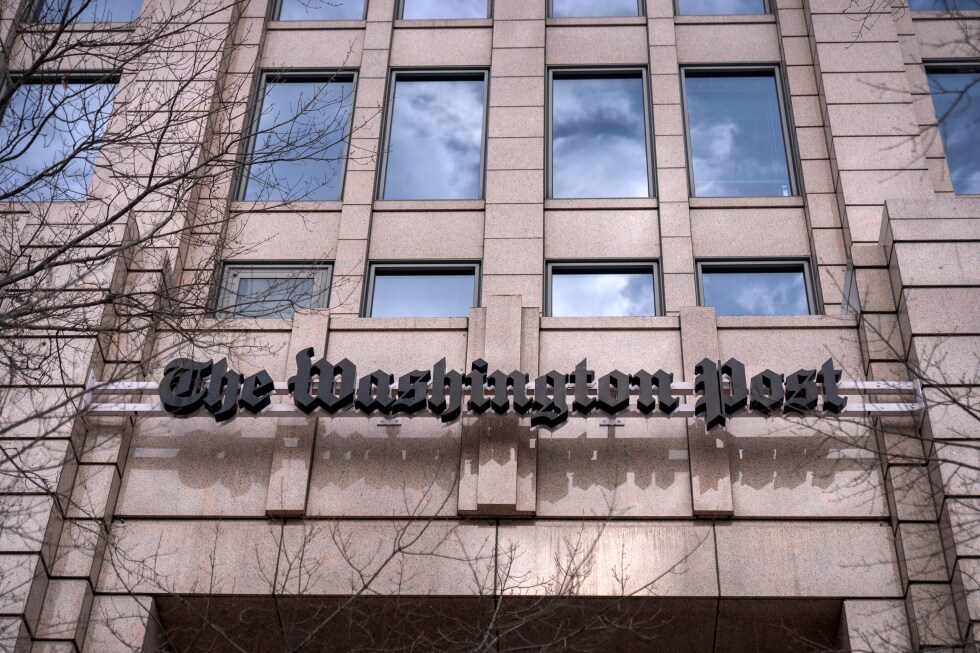
The Washington Post has begun implementing significant newsroom restructuring that includes eliminating its sports department and reducing its international bureau presence. The changes were announced during a staff meeting on Wednesday by executive editor Matt Murray, marking a major shift for the legacy publication as it grapples with ongoing financial challenges.
According to a person familiar with the proceedings who spoke on condition of anonymity, staff members were told they would receive emails indicating whether their positions had been eliminated. Murray did not disclose the total number of layoffs during the call, and a Post representative did not immediately provide comment.
Washington Post Restructuring Impacts Multiple Departments
The Washington Post newsroom cuts extend beyond sports coverage. Murray informed staff that the newspaper’s books department will be shuttered entirely, while the Washington-area news department and editing staff will undergo restructuring. He acknowledged that these changes would represent a shock to the organization’s operations.
Additionally, the newspaper is scaling back its overseas journalist presence, reducing the number of correspondents stationed in international bureaus. This represents a significant pullback in foreign coverage for a publication that has long maintained a robust global reporting network.
Sports Department Elimination Signals Broader Challenges
The sports department closure had been anticipated for several weeks after reports emerged that Post staffers who had made arrangements to cover the Winter Olympics in Italy were told they would not be attending. Following public scrutiny of that decision, the Post reversed course and announced it would send a limited staff to the Games. However, this temporary reprieve did not prevent the eventual elimination of the entire sports section.
The Washington Post restructuring reflects the financial pressures facing the publication in recent years. These cutbacks come as the newspaper struggles to adapt its business model to the digital era while maintaining its reputation for quality journalism.


Contrast With New York Times Success
Meanwhile, the Post’s troubles stand in stark contrast to its longtime competitor The New York Times, which has experienced substantial growth in recent years. The Times has thrived largely due to strategic investments in diversified products beyond traditional news coverage, including its popular Games site and Wirecutter product recommendation service.
According to previous reports, The New York Times has doubled its staff over the past decade, demonstrating a dramatically different trajectory from the Washington Post. This divergence highlights the varying fortunes of legacy publications as they navigate the challenging media landscape.
Financial Pressures Drive Washington Post Newsroom Cuts
The decision to implement these Washington Post restructuring measures reflects the ongoing financial difficulties facing the publication. While owned by Amazon founder Jeff Bezos since 2013, the newspaper has struggled to achieve profitability in recent years despite his substantial investment and initial growth period.
In contrast to The Times’ diversification strategy, the Post has relied more heavily on traditional subscription and advertising revenue models. This approach has proven increasingly challenging as digital advertising rates decline and competition for reader attention intensifies across the media industry.
The elimination of specialized departments like sports and books represents a shift away from comprehensive coverage toward a more focused editorial strategy. However, critics have raised concerns about whether reducing coverage areas and staff will ultimately help or hinder the newspaper’s ability to attract and retain subscribers.
Staff members affected by the Washington Post newsroom cuts will learn their fate through individual emails in the coming period. The timeline for fully implementing these changes and the complete scope of positions eliminated remains unclear as the organization continues to work through the restructuring process.