

 3:24 am - March 23, 2026
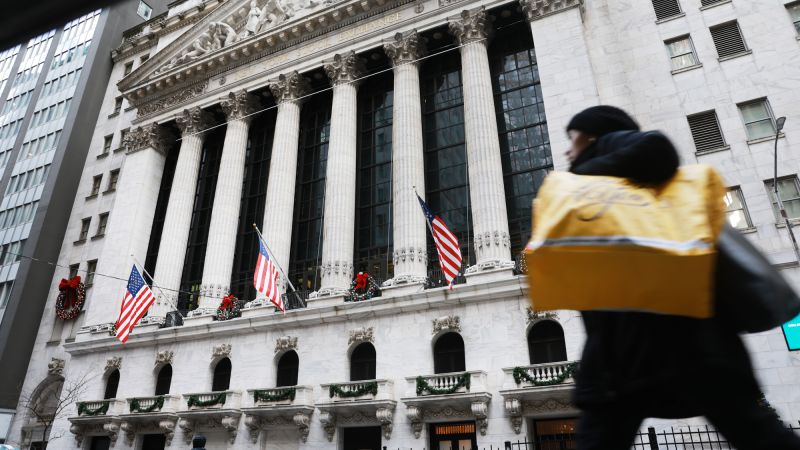
The US stock market has achieved a remarkably rare feat, posting three consecutive years of double-digit gains for only the sixth time since the 1940s. The S&P 500 rose 16.39% in 2025, following gains of 23% in 2024 and 24% in 2023, according to financial data. This milestone comes despite concerns about tariffs, geopolitical tensions, and a historic government shutdown that tested investor confidence throughout the year.
The three consecutive years of double-digit stock market gains represents an exceptional achievement in market history. According to Sam Stovall, chief investment strategist at CFRA Research, this phenomenon had occurred only five times previously, with two instances extending to four consecutive years and one remarkable stretch in the 1990s lasting five years.
Corporate Earnings and AI Drive Stock Market Performance
Multiple factors contributed to the stock market gains in 2025, with robust corporate earnings playing a central role. Enthusiasm about artificial intelligence and optimism surrounding Federal Reserve interest rate cuts also boosted investor sentiment. Craig Johnson, chief market technician at Piper Sandler, noted in a December note that equity markets ended the year strongly, driven by AI momentum and a resilient economy that withstood fiscal and political challenges.
However, stocks stumbled into year-end, with the Dow, S&P 500 and Nasdaq each declining for four consecutive trading days to close 2025. Despite this late-year weakness, the overall performance remained robust across major indices.
Market Volatility Tests Investor Resolve
The year experienced significant turbulence when Chinese tech company DeepSeek unveiled an AI chatbot in late January, raising concerns about excessive spending on AI companies. Markets tumbled temporarily but recovered as investors maintained confidence that US companies would prevail in the race for superior AI technology. This theme propelled markets higher despite ongoing concerns about a potential bubble in technology valuations.
Additionally, markets experienced historic volatility in the spring following President Trump’s “Liberation Day” tariffs announcement. The administration levied import duties on nations worldwide, threatening to disrupt the global trading system. Wall Street’s fear gauge, the CBOE Volatility Index, surged to levels not seen since the COVID-19 pandemic.


Meanwhile, stocks rebounded sharply after Trump walked back his most severe tariff threats. The S&P 500 and Nasdaq hit their first record highs since February in late June, then largely coasted higher through year-end, supported by strong corporate earnings and Fed rate cuts that made stocks more appealing relative to bonds.
Individual Index Performance Highlights Tech Dominance
The Dow Jones Industrial Average gained 12.97% in 2025, recovering from a spring decline that saw the blue-chip index tumble below 37,000 points in April. The Dow subsequently hit fresh record highs above 45,000 in August and rapidly surpassed the 46,000, 47,000 and 48,000-point milestones in quick succession. The index entered the year trading around 43,000 points.
In contrast, the tech-heavy Nasdaq Composite delivered the strongest performance among major indices, rising 20.36% for the year. This marked the third consecutive year that the Nasdaq outperformed the Dow and S&P 500. Tech and artificial intelligence stocks have powered US markets higher since October 2022, when OpenAI debuted ChatGPT, marking the beginning of an AI-driven bull market.
Furthermore, bond markets remained largely stable after intense spring volatility related to Trump’s tariffs. The 10-year US Treasury yield started the year at 4.57% and ended at 4.17%, helping keep mortgage rates lower throughout 2025. Bond yields and prices move in opposite directions, with Treasury bonds rallying as investors adjusted to prospects of Fed rate cuts and a weakening labor market.
Dollar Weakness and Precious Metals Surge
The US dollar weakened significantly against other major currencies, posting a defining feature of 2025 markets. The dollar index, which measures the currency’s strength against six major currencies, fell approximately 9.4%, posting its worst year since 2017. The dollar weakened amid affronts to Federal Reserve independence, lower interest rates from the central bank, and uncertainty about US policy decisions and tariffs.
Conversely, gold futures traded in New York soared 64% for the year, posting their best annual gain since 1979. Gold futures entered the year around $2,640 per troy ounce and hit a record high exceeding $4,500 in December before settling around $4,327. Investors flocked to gold as a resilient investment, expecting the precious metal to retain value during crises, inflation surges, or currency depreciation.
Similarly, silver had a standout year, smashing through records and briefly soaring above $80 per troy ounce. Silver prices gained roughly 140% in 2025, boosted by dual demand from investors and industry. Luke Rahbari, CEO at Equity Armor Investments, called silver “the undisputed champion of 2025.” Other precious metals also posted stellar gains, with platinum futures soaring approximately 125% and palladium futures surging 81%.
Copper, Oil and Commodities
Copper futures traded in New York gained roughly 42% for the year, posting their best annual gain since 2009. Copper prices soared due to increased industrial demand, combined with uncertainty about tariffs and fractures in international trade. The red metal benefited from its widespread use in electrical applications and infrastructure projects.
However, oil prices whipsawed amid geopolitical tensions but ended the year firmly lower, posting their biggest annual losses since 2020. US crude oil prices fell roughly 19.94% to $57.42 per barrel, hovering near their lowest level in almost five years. Brent crude, the international benchmark, fell about 18.48% to $60.85 per barrel.
Other commodities experienced mixed performance throughout the year. Cocoa futures tumbled 48%, reversing course after soaring 178% in 2024. Cocoa prices spiked last year amid climate concerns but fell in 2025 as the outlook for harvests improved.
International Markets Outperform US Stocks
While US stocks delivered strong gains, international markets performed even better in 2025. South Korea’s benchmark Kospi index surged 75.6%, posting its best year since 1999, boosted by enthusiasm about artificial intelligence. Japan’s Nikkei 225 gained 26%, reflecting renewed investor confidence in Asian markets.
In Europe, markets received a boost from plans for government spending on defense and improved prospects for economic growth. European defense stocks rallied significantly, with German manufacturer Rheinmetall gaining 155%. Germany’s benchmark DAX index gained 23.01%, posting its best year since 2019. International stocks benefited from a weaker US dollar, which boosted the value of investments denominated in foreign currencies.
Bitcoin started the year strongly but ended with disappointing results. The world’s largest cryptocurrency by market value ended the year trading around $87,255, posting an annual loss of roughly 7.7%. Bitcoin prices hit a record high of $126,000 in early October as the Trump administration promoted crypto-friendly policies, but recent sell-offs spooked investors and erased earlier gains.
Looking ahead, market participants will closely monitor Federal Reserve policy decisions and corporate earnings reports in early 2026. Uncertainty remains about potential tariff implementations and their impact on economic growth, though the exact trajectory of these policies has not been confirmed by authorities.


