

 10:24 am - March 23, 2026
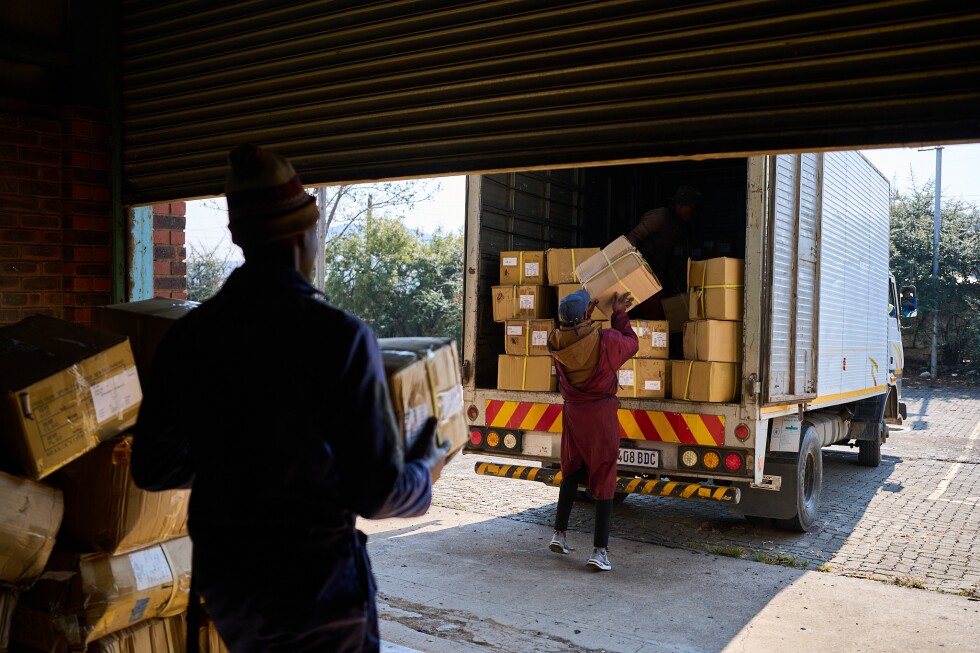
U.S. President Donald Trump has signed into law an extension of the African Growth and Opportunity Act, reviving a critical trade agreement with sub-Saharan African nations that expired last September. According to the Office of the United States Trade Representative, Trump approved the AGOA extension on Tuesday, providing temporary relief to African countries that depend on duty-free access to American markets. However, the renewal lasts only until December 31, 2026, marking a significantly shorter timeline than previous extensions.
The trade office announced that the agreement would be modified to align with reciprocal tariffs the U.S. has imposed on other countries as part of the Republican president’s America First trade policy. Thirty-four African nations were eligible for AGOA when it expired at the end of September, with businesses across the continent warning that termination would threaten tens of thousands of jobs.
Understanding the African Growth and Opportunity Act
AGOA was originally introduced in 2000 under former President Bill Clinton to strengthen economic ties between the United States and Africa. The agreement permits approximately 1,800 products to enter the U.S. market duty-free, including crude oil, automobiles and auto parts, clothing, textiles, and agricultural produce. Trade between the U.S. and Africa under this framework was valued at more than $100 billion in 2024, according to official figures.
Only certain nations qualify for AGOA benefits, and the U.S. maintains authority to remove countries that fail to meet specific requirements. These standards include establishing market-based economies and upholding democratic principles and human rights. The Biden administration removed Uganda from the program in 2024 following the enactment of a strict anti-gay law that U.S. officials characterized as a human rights violation.
Short-Term Extension Raises Concerns
The extension until the end of 2026 contrasts sharply with the 10-year renewal granted when AGOA previously came up for review in 2015. U.S. Trade Representative Jamieson Greer stated Tuesday that the Trump administration would collaborate with Congress to modernize the program and align it with President Trump’s America First trade policy, though specific changes were not detailed.
South Africa, the continent’s most advanced economy and among the largest AGOA beneficiaries, expressed mixed reactions to the announcement. Minister of Trade and Industry Parks Tau told South African news outlet News24 that while his government welcomed the renewal, officials remained concerned about the short-term nature of the extension. Additionally, Tau said he hoped the U.S. would soon provide certainty regarding AGOA details.


Political Pressure on Major African Economies
The Trump administration has applied significant political pressure on sub-Saharan Africa’s two largest economies, creating uncertainty about their future participation in AGOA. The U.S. has criticized the South African government as anti-American and made unsubstantiated claims about violent persecution of a white minority group. Meanwhile, the administration has imposed 30% tariffs on South Africa, among the highest globally, raising fears of potential removal from the trade agreement.
Similarly, diplomatic tensions with Nigeria have escalated over Trump’s allegations that Christians face persecution in Africa’s most populous nation. Nigerian officials have disputed these claims as inaccurate, yet the uncertainty continues to cloud the country’s AGOA status and broader trade relations with Washington.
America First Policy Creates Economic Challenges
Trump’s America First approach has proven particularly challenging for African nations facing simultaneous aid cuts and tariff increases. The administration has slashed billions of dollars from the now-dismantled United States Aid Agency while imposing tariffs on small and struggling economies. Some African countries, such as Lesotho, have characterized the combined impact as nearly impossible to sustain.
In response, the U.S. has moved to renegotiate assistance frameworks for Africa, including a series of bilateral health agreements announced in recent months. These arrangements require African nations to invest in their own health systems, which the Trump administration argues will improve self-sufficiency and reduce waste. The U.S. trade office has emphasized that AGOA must demand more from trading partners and has called on African nations to remove trade barriers to American imports.
The aggressive trade policies have prompted some African nations to strengthen economic relationships with alternative partners, particularly China, which already serves as the continent’s largest trading partner. Whether the U.S. will provide a longer-term AGOA extension or implement significant modifications remains uncertain, with decisions expected before the current extension expires at year-end 2026.


