

 11:41 am - March 23, 2026
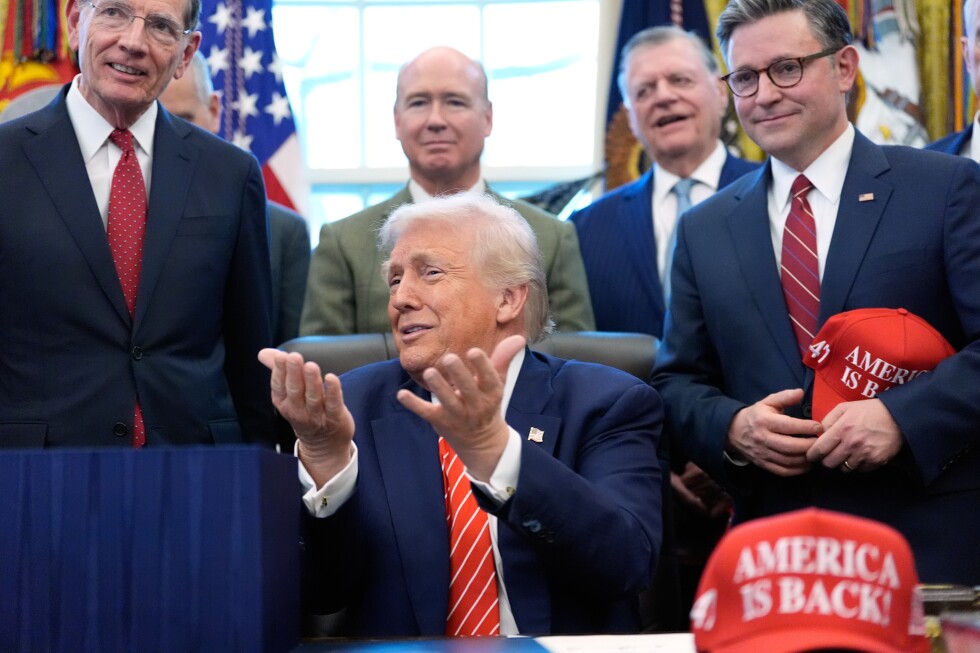
President Donald Trump signed a $1.2 trillion government funding bill on Tuesday, ending a partial federal shutdown that began over the weekend. The House approved the legislation with a narrow 217-214 vote, completing work on 11 annual appropriations bills that fund most government agencies and programs through September 30. However, the government funding bill only provides two weeks of support for the Department of Homeland Security, setting up an intense political battle over immigration enforcement.
The brief funding extension for Homeland Security runs through February 13, creating an immediate deadline for lawmakers to negotiate more permanent spending levels. Democrats demanded the short-term arrangement following the shooting deaths of Alex Pretti and Renee Good by federal officers in Minneapolis, with party leaders insisting on stricter oversight of immigration enforcement operations.
Congressional Leaders Prepare for Government Funding Showdown
House Democratic Leader Hakeem Jeffries warned that his party would not support additional temporary funding for Homeland Security without substantial changes to immigration operations. According to Jeffries, Democrats are demanding that U.S. Immigration and Customs Enforcement and other agencies within the department conduct themselves like every other law enforcement organization in the country. The ultimatum raises the possibility of another shutdown affecting the department and its agencies.
Speaker Mike Johnson expressed optimism that negotiators could reach an agreement before the February 13 deadline. Johnson stated that the president has reached out and urged Democrats to operate in good faith during the 10-day negotiation period. Meanwhile, Senate Majority Leader John Thune sounded less confident about prospects for a deal, asking reporters whether they believed in miracles.
Narrow Vote Highlights Deep Congressional Divisions
The government funding bill that passed Tuesday included provisions appealing to both political parties. Republicans avoided a massive omnibus spending package, which they argue contributes to excessive federal expenditures, particularly when rushed through before holiday recesses. Democrats successfully prevented some of Trump’s proposed budget cuts while adding language to ensure appropriated funds are spent according to congressional intent.
However, Johnson needed nearly unanimous Republican support to advance the legislation. The procedural vote remained open for almost an hour as GOP leaders worked to secure backing from several lawmakers seeking to advance unrelated priorities. Additionally, the final passage vote proved equally challenging, with 21 Republicans joining most Democrats in opposition while an identical number of Democrats voted with the majority of Republicans in favor.


Presidential Pressure on Republican Holdouts
Trump weighed in on the debate Monday through a social media post, calling on Republicans to maintain unity. The president told potential holdouts that there could be no changes to the legislation at this time. Trump described the bill as a great victory for the American people after signing it into law.
Current Shutdown Less Severe Than Previous Impasse
The partial shutdown that ended Tuesday differed significantly from the fall impasse, which affected more agencies and lasted a record 43 days, according to congressional records. That earlier shutdown centered on extending temporary pandemic-era subsidies for Affordable Care Act health coverage, with Democrats ultimately unsuccessful in securing those provisions. In contrast, Congress had already funded several critical programs before this weekend’s lapse, including nutrition assistance and national parks operations.
Johnson acknowledged that while 96 percent of the government now has funding through September, the remaining 4 percent represents critical functions. The speaker emphasized the importance of the unfunded portion, particularly the Department of Homeland Security, which handles immigration enforcement and border security operations.
Congressional leaders face the February 13 deadline to negotiate full-year funding for Homeland Security, though substantial disagreements over immigration enforcement suggest difficult negotiations ahead. The outcome remains uncertain as Democrats demand operational reforms while Republicans prioritize continued enforcement activities.