

 10:27 am - March 23, 2026
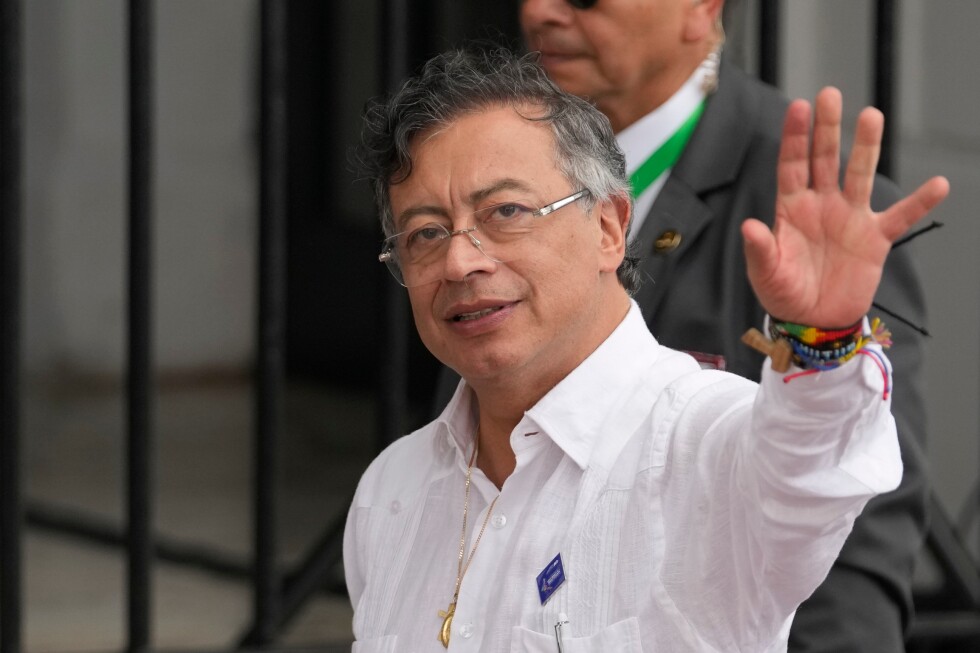
President Donald Trump and Colombian President Gustavo Petro held a nearly two-hour meeting at the White House on Tuesday that both leaders described as friendly and productive, marking a dramatic shift in US-Colombia relations after weeks of hostile exchanges. The meeting, which took place in the Oval Office, represented a significant about-face from Trump’s recent threats of military action and accusations that Petro was facilitating cocaine trafficking into the United States.
Following the talks, Trump praised his Colombian counterpart, telling reporters he thought Petro was “terrific” despite their past tensions. Petro held his own news conference and said the pair emerged “with a positive and optimistic view,” emphasizing that freedom brought them together.
Diplomatic Gestures Mark New Chapter in US-Colombia Relations
According to Colombian officials, Petro arrived bearing traditional gifts including a Wounaan indigenous basket for Trump and a handmade gown for First Lady Melania Trump. In return, Trump gave Petro a red “Make America Great Again” cap and a signed copy of his book “The Art of the Deal” with the inscription “You are great.”
However, the diplomatic protocol departed from typical foreign leader visits. Trump did not personally greet Petro at the North Portico of the White House for the traditional photo opportunity. Instead, the Colombian president arrived at a side entrance.
Counternarcotics Cooperation Takes Center Stage
The two leaders discussed cooperation in counternarcotics operations, a critical issue given that Colombia is the world’s largest producer of cocaine. Petro acknowledged the drug trafficking challenge but explained that in remote jungle areas with no transportation infrastructure, illicit cultivation remains the only viable income source for some communities.
Additionally, Petro urged Trump to focus on high-level drug traffickers, providing the U.S. president with names of individuals he said operate from Dubai, Madrid, and Miami rather than just targeting operatives in Colombia. The Colombian leader also emphasized his personal fight against drug trafficking, noting that most of his children live in exile due to threats related to his anti-narcotics stance.


From Sanctions to Cooperation
The friendly meeting stands in stark contrast to recent tensions between the two nations. In October, the Trump administration imposed sanctions on Petro, his wife, his son, and Colombian Interior Minister Armando Alberto Benedetti over accusations of involvement in the global drug trade. The sanctions had to be waived to allow Petro to travel to Washington this week.
Meanwhile, the U.S. added Colombia to a list of nations failing to cooperate in the drug war for the first time in three decades. Trump had previously called Petro “a sick man who likes making cocaine and selling it to the United States” and warned ominously that he would not be doing it “very long.”
Venezuela and Regional Cooperation
The meeting also touched on Venezuela, with Petro saying they discussed ways to “reactivate Venezuela” through energy projects. This comes after Petro criticized the U.S. operation to capture Venezuelan leader Nicolás Maduro, calling it a kidnapping and labeling Trump an “accomplice to genocide” in Gaza.
In contrast to his previous harsh rhetoric, Petro invited Trump to visit the Colombian resort city of Cartagena and sought U.S. help in mediating an escalating trade dispute between Colombia and Ecuador. The Colombian president even suggested adding an ‘s’ to Trump’s MAGA slogan to make it “Make the Americas Great Again.”
Historical Alliance Under Strain
For three decades, the United States has worked closely with Colombia as a major non-NATO ally to arrest drug traffickers, combat rebel groups, and promote rural economic development. Nevertheless, relations have been strained by Trump’s deployment of U.S. forces for deadly military strikes targeting suspected drug-smuggling boats in the Caribbean Sea and eastern Pacific, which have killed at least 126 people in 36 known strikes.
The rapprochement began after a recent phone call between the leaders in which Petro explained “the drug situation and other disagreements,” according to Trump. That hourlong conversation led to Trump extending the White House invitation that materialized in Tuesday’s meeting.
Both leaders indicated they plan to continue dialogue on counternarcotics cooperation and regional issues, though the specifics of future collaboration remain to be determined. The sanctions against Petro and his associates remain in place despite the temporary waiver, and authorities have not confirmed whether they will be permanently lifted.


