

 9:18 am - March 23, 2026
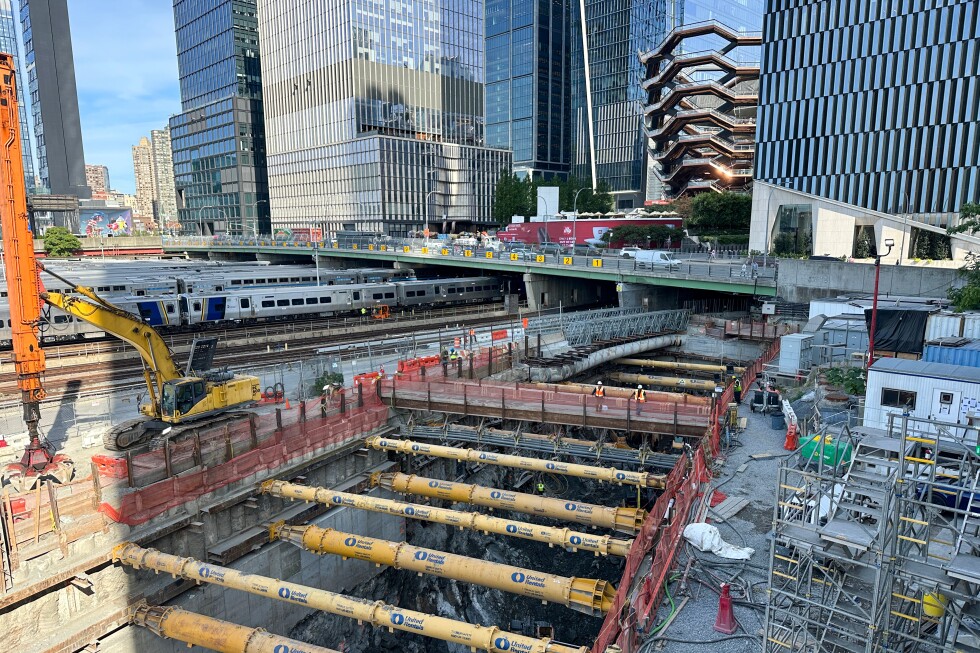
New York and New Jersey have filed a lawsuit against the Trump administration over the freezing of $16 billion in federal funding for the Hudson River Tunnel project, a critical rail infrastructure initiative connecting the two states. The legal action, filed Tuesday in federal court in Manhattan by New York Attorney General Letitia James and New Jersey Acting Attorney General Jennifer Davenport, seeks an immediate court order to resume payments and prevent construction from halting as early as Friday.
The federal funding freeze was implemented in September during the government shutdown, according to the lawsuit. White House budget director Russ Vought stated at the time on social media platform X that officials believed the spending was based on unconstitutional diversity, equity and inclusion principles, while the U.S. Department of Transportation indicated it was reviewing potential unconstitutional practices.
Hudson River Tunnel Project Faces Immediate Shutdown Risk
The lawsuit requests that a judge declare the funding suspension unlawful and order immediate payment resumption to prevent construction interruptions. Attorney General James emphasized the urgency of the situation in a statement Tuesday evening, warning that halting the Hudson River Tunnel project could prove disastrous for commuters, workers, and the regional economy.
According to James, the existing tunnels are already operating under significant strain. The potential loss of this infrastructure project would place one of the nation’s most heavily utilized transit corridors at serious risk, she said.
Multiple Legal Challenges Target Funding Freeze
The states’ lawsuit follows similar legal action filed Monday by the Gateway Development Commission, a local oversight panel responsible for managing the project. Both lawsuits challenge the same federal funding freeze affecting the critical transportation infrastructure.
The White House and U.S. Transportation Department had not responded to requests for comment by Tuesday night. The administration has not provided additional clarification regarding the specific diversity, equity and inclusion concerns cited as justification for suspending the funds.


Construction Project Details and Background
The Hudson River Tunnel construction initiative involves building a new rail tunnel beneath the river to accommodate Amtrak and regional transit trains traveling between New Jersey and New York City. Additionally, the project includes essential repairs to an existing 116-year-old rail tunnel that sustained significant damage during Superstorm Sandy in 2012.
Construction activities commenced in 2023 after years of planning and negotiation. The project receives its funding through the 2021 federal infrastructure law signed by then-President Joe Biden, which allocated substantial resources for transportation improvements nationwide.
Economic and Transportation Implications
The corridor served by these tunnels represents a vital artery for the Northeast economy, facilitating thousands of daily commutes and supporting regional commerce. Transportation experts have long warned that the aging infrastructure poses reliability concerns and capacity limitations for the growing metropolitan area.
Meanwhile, the deteriorating condition of the century-old tunnel has been a persistent concern for transportation officials. The saltwater damage from Superstorm Sandy accelerated structural problems, making the new tunnel construction even more critical for maintaining reliable rail service between the two states.
In contrast to the federal government’s position, state officials argue that the funding suspension lacks legal basis and threatens public welfare. The attorneys general contend that the abrupt halt to approved infrastructure spending violates established procedures and agreements.
The court is expected to consider the emergency nature of the request given the imminent Friday deadline when construction could be forced to stop. However, the timeline for a judicial decision remains uncertain, and it is unclear whether work will continue pending the court’s ruling on the funding dispute.


