

 10:24 am - March 23, 2026
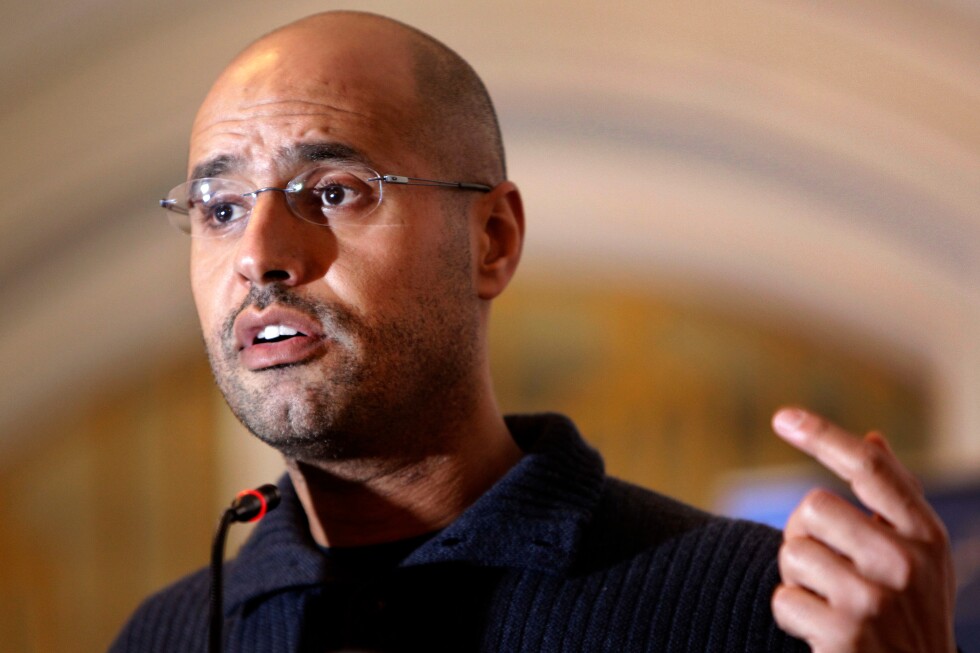
Seif al-Islam Gadhafi, the son of Libya’s late dictator Moammar Gadhafi, was killed in the town of Zintan, Libyan officials confirmed Tuesday. The 53-year-old, who once served as heir apparent to his father’s regime, was shot to death according to an initial investigation by Libya’s chief prosecutor’s office.
The killing occurred in Zintan, located 136 kilometers southwest of the capital Tripoli, where Seif al-Islam Gadhafi had been living since his release from captivity in 2017. His political team issued a statement alleging that four masked men stormed his residence and carried out what they described as a “cowardly and treacherous assassination,” claiming the assailants disabled CCTV cameras in an attempt to conceal evidence.
Background of Seif al-Islam Gadhafi
Born in June 1972 in Tripoli, Seif al-Islam was the second-born son of the longtime dictator and held a Ph.D. from the London School of Economics. He was widely regarded as the reformist face of the Gadhafi regime during his father’s four-decade rule over the North African nation.
His father Moammar Gadhafi was toppled in a NATO-backed popular uprising in 2011 and killed in October of that year. The overthrow triggered a civil war that fractured Libya into territories controlled by rival armed groups and militias, a situation that persists to this day.
Years in Captivity and Legal Troubles
Seif al-Islam Gadhafi was captured by fighters in Zintan in late 2011 while attempting to flee to neighboring Niger following the collapse of his father’s government. The fighters held him for nearly six years before releasing him in June 2017 after one of Libya’s rival governments granted him amnesty.
Additionally, a Libyan court had convicted him in absentia in 2015 of inciting violence and murdering protesters during the 2011 uprising, sentencing him to death. The International Criminal Court also sought him on charges of crimes against humanity related to the brutal suppression of demonstrations that sparked the revolution.


Failed Presidential Bid and Political Controversy
In November 2021, Seif al-Islam Gadhafi made headlines when he announced his candidacy in Libya’s presidential election. The move generated significant outcry from anti-Gadhafi political forces across both western and eastern Libya, who viewed his return to politics as an affront to those who suffered under his father’s regime.
However, the country’s High National Elections Committee ultimately disqualified him from the race. The planned election never took place due to ongoing disputes between rival administrations and armed groups that have controlled different parts of Libya since the violent ouster of Moammar Gadhafi more than a decade ago.
Libya’s Ongoing Political Instability
The death of Seif al-Islam Gadhafi occurs against the backdrop of Libya’s continued fragmentation and political chaos. The country remains divided between competing governments and military factions, with efforts at reunification through U.N.-brokered political dialogue yielding limited success.
Meanwhile, the circumstances surrounding his killing remain unclear, with authorities not yet confirming many details about the incident. The chief prosecutor’s office stated that an initial investigation found he was shot to death but did not elaborate on potential suspects or motives.
Authorities have not announced whether a comprehensive investigation into the killing of Seif al-Islam Gadhafi will be launched or what impact his death might have on Libya’s fragile political landscape. The lack of clarity surrounding the incident reflects the broader challenges facing law enforcement and governance in the divided nation.